
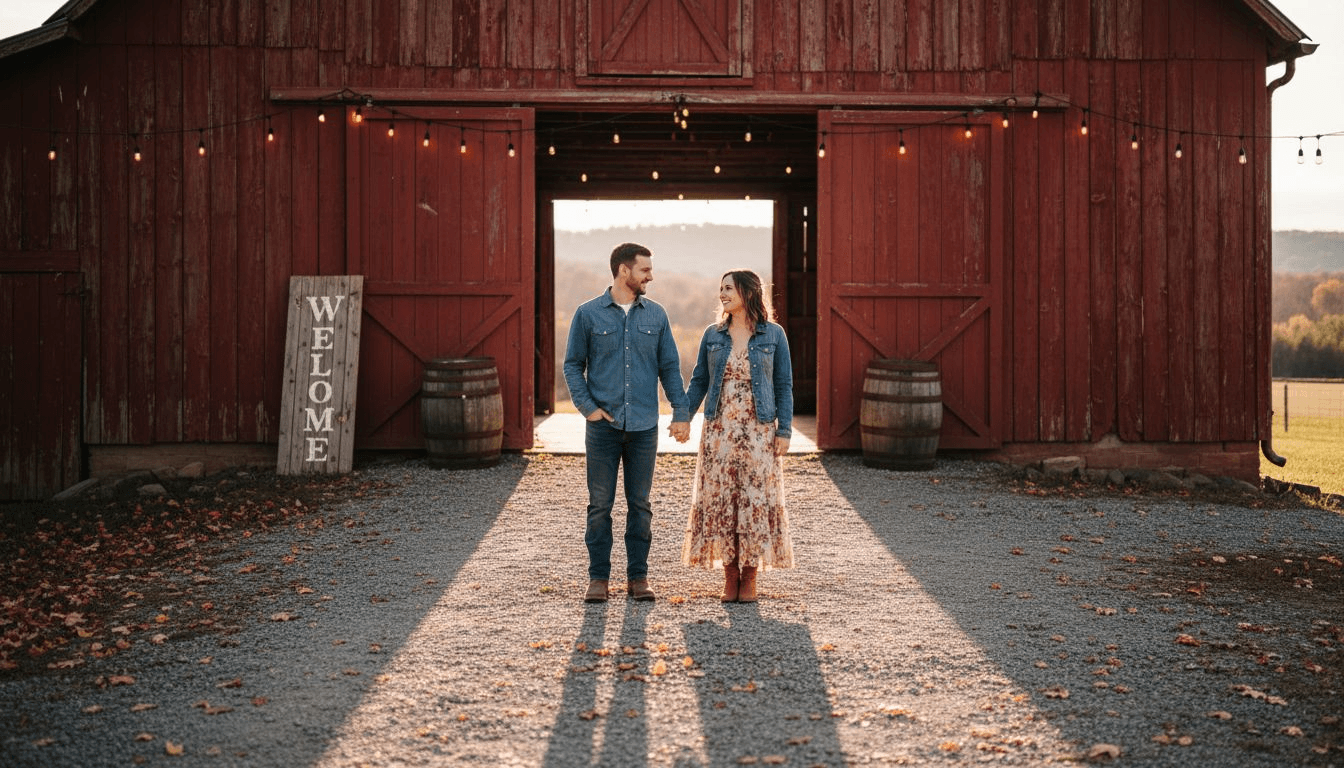
Planning a barn wedding in Florida presents unique logistical challenges, from unpredictable weather patterns to coordinating rustic charm with elegant details. Without a proven workflow, couples often face vendor conflicts, timeline delays, and last-minute stress that can overshadow their special day. This comprehensive guide delivers a step-by-step system that reduces planning anxiety and ensures your rustic elegant celebration flows smoothly from booking to final dance.
Table of Contents
- Prerequisites: What You Need Before Starting
- Step 1: Venue Selection and Guest Planning
- Step 2: Vendor Coordination
- Step 3: Personalization and Decor Integration
- Step 4: Contingency Planning for Weather and Environment
- Step 5: Day-Of Execution and Timeline Management
- Step 6: Final Preparations and Walk-Through
- Troubleshooting: Common Mistakes and Solutions
- Expected Outcomes: Costs, Timelines, and Guest Experience
- Plan Your Dream Rustic Wedding at Origins Ranch
- Frequently Asked Questions
Key Takeaways
| Point | Details |
|---|---|
| Book Early | Secure your barn venue 12-18 months ahead to guarantee availability and reduce stress by over 50%. |
| Vendor Timing | Confirm all vendors 6-9 months in advance to prevent scheduling conflicts and ensure proper preparation. |
| Detailed Timeline | A minute-by-minute day-of schedule cuts delays by 70% and keeps your celebration on track. |
| Personalized Style | Custom rustic and elegant decor increases guest satisfaction by 40% through authentic atmosphere. |
| Final Walk-Through | Complete venue verification 2-4 weeks prior to reduce last-minute problems by 60%. |
Prerequisites: What You Need Before Starting
Before diving into vendor calls and decor decisions, you need foundational elements in place. These early preparations set the stage for a seamless planning experience and prevent costly mistakes down the road.
Most barn venues in Florida require booking 12-18 months in advance due to high demand, reducing planning stress by over 50%. Securing your date early gives you breathing room to handle every other detail without rushing. Finalize your guest list to fit 85% to 90% of your venue's capacity, avoiding overcrowding while staying within fire code and comfort limits.
Research vendor availability and barn-specific restrictions early. Some venues prohibit open flames, require specific caterers, or limit sound levels after certain hours. Understanding these rules upfront saves you from scrambling to replace vendors weeks before your wedding.
Set an initial budget aligned with typical Florida barn wedding costs ranging from $25,000 to $50,000. This figure includes venue rental, catering, photography, florals, and entertainment. Break down costs by category so you know where flexibility exists and where you must stay firm.
Understand Florida's seasonal weather patterns. Summer brings afternoon thunderstorms, while winter offers milder temperatures but occasional cold fronts. Knowing what to expect helps you plan backup options and guest comfort measures.
Gain basic knowledge of barn venue infrastructure before planning. Does the venue provide tables and chairs? Are restrooms climate controlled? What electrical capacity exists for lighting and sound? Answering these questions early streamlines vendor coordination.
Essential early checklist:
- Secure venue booking 12-18 months ahead
- Finalize guest list to 85%-90% of capacity
- Research and confirm vendor availability
- Establish comprehensive budget breakdown
- Study seasonal weather and backup needs
- Review venue amenities and infrastructure
Pro Tip: Schedule a consultation with your venue manager within two weeks of booking. Ask about hidden fees, preferred vendor lists, and timeline restrictions. This conversation often reveals planning shortcuts that save money and stress.
Understanding photo timeline considerations helps you allocate proper buffers between ceremony and reception. Professional photographers need 60 to 90 minutes for couple portraits and family shots, especially when incorporating rustic barn backdrops.
Step 1: Venue Selection and Guest Planning
Choosing the right barn venue involves more than falling in love with exposed beams and string lights. You need practical assessment of location, capacity, and amenities that match your vision and guest needs.
Evaluate venue location for accessibility. Is it within 45 minutes of your guests' accommodations? Does it offer ample parking, including accessible spaces? Rural barn venues often sit on unpaved roads, so consider how guests in formal attire will navigate the terrain.
Match your guest list size to venue capacity strategically. Booking a space that holds 200 when you expect 150 guests creates an intimate atmosphere without feeling empty. Conversely, cramming 180 people into a 150-capacity barn violates safety codes and makes guests uncomfortable.
Review amenities thoroughly during site visits. Check restroom quantity and quality, especially for outdoor barn venues where portable facilities may be necessary. Test lighting systems and sound equipment if the venue provides them. Verify whether climate control exists for Florida's heat and humidity.
Communicate with venue managers early about your specific needs. If you plan a ceremony outdoors followed by an indoor reception, confirm transition logistics. Ask about setup and teardown windows, noise ordinances, and any restrictions on decor or vendors.
Consider accessibility needs beyond parking. Can elderly guests navigate uneven ground? Are there stairs to main event spaces? Addressing these questions shows thoughtfulness and prevents day-of complications.
Venue evaluation checklist:
- Location within reasonable travel distance
- Parking capacity and accessibility features
- Guest list alignment with 85%-90% capacity
- Restroom quantity and climate control
- Lighting and sound system capabilities
- Setup/teardown timeline flexibility
When selecting Origins Ranch for your wedding, you gain a venue that blends rustic charm with modern conveniences. The space accommodates personalized planning while maintaining the authentic barn character couples seek.
Exploring best barn venues in Florida helps you compare amenities, pricing, and service levels. Look for venues with proven track records and responsive management teams that prioritize your vision.
Step 2: Vendor Coordination
Orchestrating multiple vendors around barn-specific logistics requires early booking and clear communication. Your caterer, photographer, florist, and entertainment must work in harmony with venue constraints and your timeline.
Confirm vendors 6 to 9 months before your wedding. Top professionals book quickly, especially during peak wedding season from March through May. Waiting until three months out severely limits your options and may force compromises on quality.
Ensure vendor contracts include barn-specific rules. If your venue prohibits music after 10 PM, your DJ contract should reflect that endpoint. If caterers must use the venue's kitchen, specify equipment access and cleanup responsibilities in writing.
Synchronize vendor arrival and setup timelines closely with venue availability. Florists typically need two hours for ceremony and reception arrangements. Caterers require three to four hours for food prep and station setup. Photographers arrive 30 minutes before getting-ready photos begin. Map these schedules to avoid conflicts.
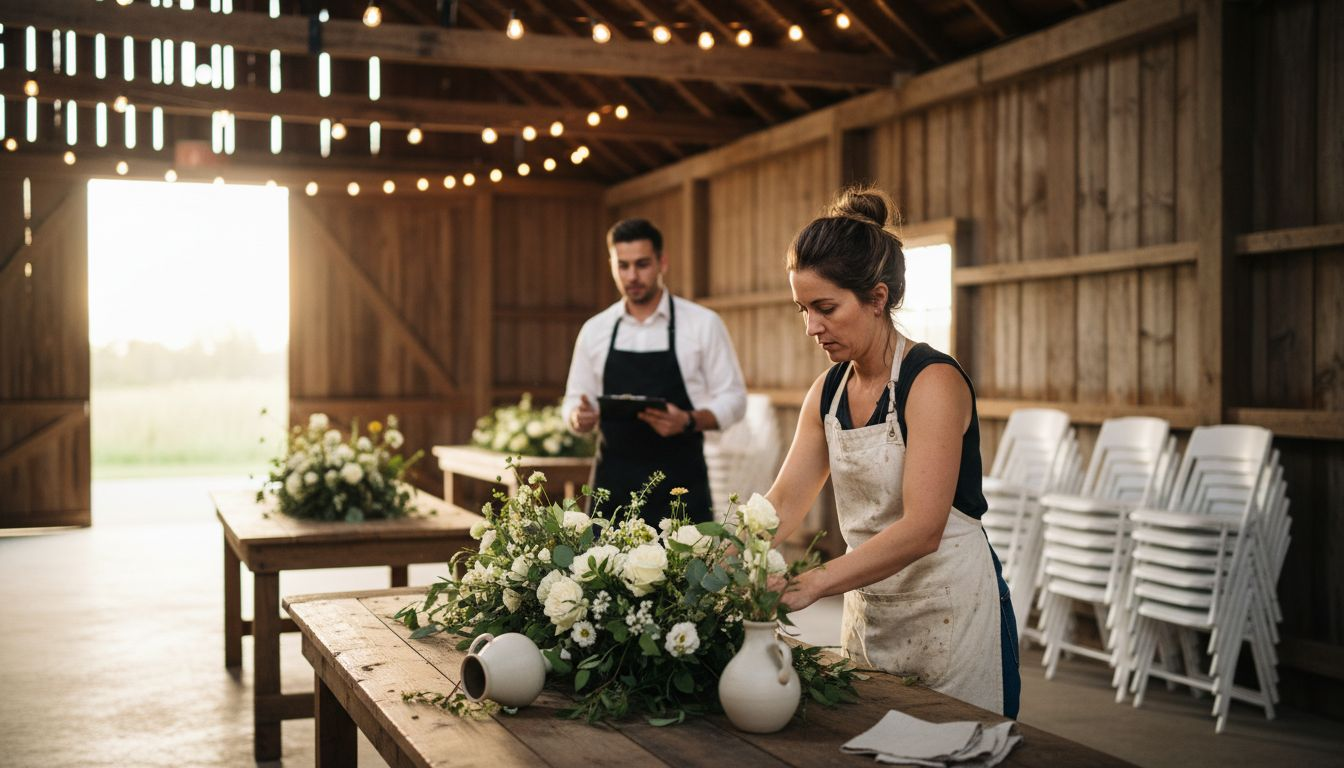
Prioritize local and veteran vendors experienced in barn weddings. These professionals understand rural venue challenges like limited electrical access and uneven ground. Their familiarity with barn logistics prevents surprises and ensures smooth execution.
Maintain clear communication between all vendors and venue management. Create a shared contact list including phone numbers and emergency backups. Schedule a group call four weeks before the wedding so everyone aligns on timing, access points, and contingency plans.
Vendor coordination timeline:
- Book photographer and videographer at 9 months out
- Secure caterer and bar service at 8 months out
- Contract florist and decor stylist at 7 months out
- Finalize entertainment and sound at 6 months out
- Confirm hair, makeup, and day-of coordinator at 5 months out
- Conduct vendor alignment call at 4 weeks out
Pro Tip: Request vendor liability insurance certificates and provide them to your venue. This paperwork protects everyone involved and often satisfies venue requirements that could otherwise delay your event.
Explore Origins Ranch vendor recommendations for professionals who understand the unique needs of rustic barn celebrations. Experienced vendors familiar with your venue streamline coordination and reduce stress.
Review event vendor coordination tips from Origins Ranch to see how professional teams work together in barn settings. These examples illustrate proper setup flow and timing.
Step 3: Personalization and Decor Integration
Blending rustic barn charm with elegant details creates the signature aesthetic that makes your wedding memorable. Strategic decor choices enhance the venue's natural character while reflecting your personal style.
Use regional and seasonal local floral arrangements. Florida offers abundant tropical blooms, palms, and greenery year-round. Local flowers cost less than imported varieties and support regional growers while providing authentic Southern charm.
Invest in professional lighting solutions. Barn venues often have limited natural light, especially for evening receptions. String lights create romantic ambiance but rarely provide sufficient illumination for dining and dancing. Supplement with uplighting, pin spotting on centerpieces, and wash lighting on walls.
Blend rustic elements with modern elegant touches thoughtfully. Reclaimed wood farm tables pair beautifully with fine linens and crystal glassware. Vintage metal buckets filled with wildflowers complement formal place settings. The contrast between rough and refined creates visual interest.
Customize decor to reflect your personal story while complementing the barn's existing character. If you met at a concert, incorporate vintage records into centerpieces. If you love travel, use antique globes and maps as table numbers. Personal touches make generic barn spaces feel uniquely yours.
Consider pros and cons of DIY decor versus hiring professionals. DIY saves money but demands significant time and creative skill. Professional stylists charge $1,500 to $3,500 but deliver cohesive design and handle setup logistics you'll appreciate on wedding day.
Lighting comparison:
| Lighting Type | Ambiance Impact | Practical Illumination | Cost Range |
|---|---|---|---|
| String Lights | High romantic appeal | Low dining visibility | $300-$800 |
| Uplighting | Moderate atmosphere | Moderate functional light | $600-$1,200 |
| Pin Spotting | Focused centerpiece drama | Low general illumination | $400-$900 |
| Wash Lighting | Subtle wall enhancement | High overall brightness | $800-$1,500 |
Find decor inspiration at Origins Ranch showcasing how couples transform barn spaces with creative styling. These real wedding examples demonstrate achievable elegance within various budgets.
Browse decor and lighting ideas gallery for table setting concepts that balance rustic charm with sophisticated presentation. Proper lighting transforms barn ambiance from basic to breathtaking.
Step 4: Contingency Planning for Weather and Environment
Florida's unpredictable weather demands robust backup plans. Protecting your investment and guest comfort requires advance preparation for rain, heat, and humidity.
Recognize Florida's rainy season risks from June through September. Afternoon thunderstorms arrive with little warning, dumping rain for 30 to 60 minutes before clearing. Summer heat combined with humidity creates challenging conditions for outdoor ceremonies and cocktail hours.
Develop backup options including rented tents, indoor spaces, or covered pavilion alternatives. Clear-top tents allow natural light while protecting from rain. Sidewalls add climate control but require advance setup. Confirm your venue offers indoor backup space at no additional cost or budget accordingly.
Communicate contingency plans early to guests and vendors. Include weather plan details in your wedding website and day-of itinerary. Guests appreciate knowing you've anticipated challenges rather than scrambling at the last minute. Vendors need lead time to adjust setup locations and equipment.
Continuously monitor weather forecasts during final planning weeks. Apps like Weather Underground provide hour-by-hour predictions. Make your indoor versus outdoor call 24 to 48 hours before the wedding, giving vendors time to pivot while minimizing guest confusion.
Consider flooring options to mitigate mud or wet ground issues. Outdoor carpet runners, wooden walkways, or interlocking floor tiles prevent guests from sinking into soft ground after rain. These investments protect formal attire and maintain dignity during transitions.
Ensure vendor contracts address weather-related changes. Specify that rain plan execution doesn't incur additional fees. Clarify cancellation policies and refund terms if severe weather forces postponement.
Weather backup essentials:
- Tent rental with sidewalls for rain and sun protection
- Indoor backup space confirmed with venue
- Flooring solutions for muddy conditions
- Guest communication plan for location changes
- Vendor contracts covering weather adjustments
- Continuous weather monitoring final week
Read weather contingency insights journal for real stories of couples who successfully navigated Florida weather challenges. Learning from others' experiences helps you prepare confidently.
Step 5: Day-Of Execution and Timeline Management
A detailed minute-by-minute timeline transforms chaotic wedding days into smooth celebrations. Precise scheduling with built-in buffers ensures you stay on track despite inevitable hiccups.
Implementing a detailed day-of timeline with vendor arrival, setup, ceremony, reception, breaks, and teardown phases reduces delays by up to 70%. Your timeline should account for every activity from hair and makeup through final sendoff.
Include buffer times between key activities. Allocate 15-minute cushions after ceremony for guest transitions and before reception introductions. These buffers absorb delays without cascading into later events. Tight schedules with no flexibility create stress when anything runs long.
Assign a day-of coordinator or experienced DJ to manage event flow. This person directs vendors, cues musicians, and keeps the celebration moving according to plan. You should never check your watch or worry about timing on your wedding day.
Review and share the timeline with all vendors, venue staff, and coordinators at least one week before the event. Distribute both detailed production schedules and simplified guest-facing versions. Everyone involved should know exactly where to be and when.
Maintain clear communication channels during the event for real-time issue resolution. Equip your coordinator with all vendor phone numbers. Use group texts or walkie-talkies for immediate updates. Quick problem-solving prevents small issues from becoming visible disruptions.
Emphasize timeline adherence to prevent cascading delays. If cocktail hour runs 20 minutes over, you lose 20 minutes from reception, dinner, or dancing. Every segment matters for guest experience and vendor contractual obligations.
Sample timeline structure:
- 10:00 AM: Vendor arrival and setup begins
- 2:00 PM: Bridal party hair and makeup complete
- 3:30 PM: First look and couple portraits
- 5:00 PM: Guest arrival and ceremony seating
- 5:30 PM: Ceremony begins
- 6:00 PM: Cocktail hour with appetizers
- 7:00 PM: Reception introductions and first dance
- 7:30 PM: Dinner service
- 9:00 PM: Cake cutting and toasts
- 10:30 PM: Last dance and sendoff
A professional coordinator once told me that weddings without detailed timelines run 45 minutes behind schedule on average. Those lost minutes come directly from dancing, mingling, and enjoying the celebration you spent months planning.
When you select Origins Ranch for smooth day-of execution, you benefit from Barry's 20+ years of DJ and event management experience. His expertise keeps celebrations flowing naturally while handling behind-the-scenes coordination.
Explore this detailed day-of timeline resource for additional scheduling templates adaptable to barn venue needs. Proper time allocation makes the difference between rushed and relaxed celebrations.
Step 6: Final Preparations and Walk-Through
Your final venue walk-through two to four weeks before the wedding catches problems while you still have time to fix them. This verification step transforms anxious uncertainty into confident readiness.
Conducting a final venue walk-through 2-4 weeks before the wedding reduces last-minute issues by 60%. Schedule this visit when key vendors can attend, including your coordinator, florist, and caterer. Walking the space together aligns everyone's vision and logistics.
Verify vendor setups, lighting, sound, decor placement, and any special equipment needs. Test sound system volume and clarity. Confirm electrical outlet locations for DJ equipment and uplighting. Identify exact spots for ceremony arch, sweetheart table, and dance floor.
Discuss and confirm weather backup plans and any timeline adjustments needed. If recent rain has left grounds muddy, implement flooring solutions now. If forecast shows heat, add fans or portable air conditioning to your rental order. Proactive adjustments beat reactive scrambling.
Confirm guest accommodations, parking, and accessibility arrangements. Walk the route guests will take from parking to ceremony to reception. Note any obstacles like uneven ground, stairs, or narrow pathways that need signage or assistance.
Use the walk-through to clarify any remaining questions or last-minute concerns. This is your chance to ask about load-in procedures, preferred vendor entry points, and where to store personal items during the event. No question is too small when it prevents confusion later.
Adjustments made post walk-through significantly reduce risk of event day disruptions. You'll sleep better knowing every detail has been verified and contingencies are ready.
Walk-through checklist:
- Test all sound and lighting systems
- Confirm vendor setup locations and timing
- Verify weather backup activation procedures
- Walk guest traffic flow and identify obstacles
- Review parking and accessibility arrangements
- Finalize any venue-specific logistics or restrictions
Review final walk-through tips at Origins Ranch to understand what professional stylists check during venue verification. These insights help you conduct thorough assessments.
Consult this final venue walk-through guide for comprehensive checklists covering details you might otherwise overlook. Methodical verification eliminates surprises.
Troubleshooting: Common Mistakes and Solutions
Even well-planned barn weddings encounter predictable pitfalls. Recognizing these errors in advance helps you avoid them entirely or fix problems quickly.
Avoid booking the venue less than 12 months in advance. Peak season dates at desirable barn venues fill 18 months ahead. Last-minute booking forces you into off-season dates or less appealing venues, limiting your vision. Start venue hunting as soon as you're engaged.
Limit guest lists to 85% to 90% of venue capacity. Exceeding capacity violates fire codes and creates uncomfortable crowding. Guests need space to move, dance, and socialize comfortably. Overselling your venue guarantees complaints and potential safety violations.
Hire professional lighting services to prevent insufficient illumination. DIY string lights look charming but leave guests squinting at dinner plates. Professional lighting designers balance ambiance with functionality, ensuring your celebration looks beautiful in photos and feels comfortable in person.
Engage an experienced event planner or coordinator. First-time couples underestimate the complexity of managing vendors, timelines, and inevitable surprises. A coordinator costs $1,000 to $2,500 but saves you from timeline overruns, vendor conflicts, and day-of stress that ruins your experience.
Establish clear communication plans with vendors and venue for handling last-minute changes. Exchange all phone numbers, create group chats, and designate decision makers. When the florist runs 30 minutes late or the caterer needs extra electrical access, quick communication resolves issues invisibly.
Common pitfalls to avoid:
- Booking venue less than 12 months ahead
- Exceeding 85%-90% venue capacity with guest list
- Relying solely on string lights without professional lighting
- Skipping day-of coordinator to save money
- Poor vendor communication channels and backup contacts
Pro Tip: Create a shared online document with your timeline, vendor contacts, and contingency plans. Grant access to your coordinator, venue manager, and key family members. This single source of truth prevents miscommunication and ensures everyone works from current information.
Expected Outcomes: Costs, Timelines, and Guest Experience
Following this comprehensive barn wedding workflow delivers measurable improvements in cost management, stress reduction, and guest satisfaction. Understanding realistic expectations helps you plan confidently.
Typical Florida barn wedding costs range from $25,000 to $50,000, with venue rental around $3,500 to $7,000. This budget includes professional photography ($2,500-$4,500), catering ($60-$100 per guest), florals ($1,500-$3,000), entertainment ($1,000-$2,500), and rentals ($2,000-$4,000). Premium vendors and peak season dates push costs toward the upper range.
Booking venues 12 to 18 months in advance dramatically increases availability and reduces stress. You'll secure preferred dates, negotiate better vendor rates with advance notice, and avoid rushed decisions that compromise your vision. Early planning correlates directly with lower anxiety and higher satisfaction.
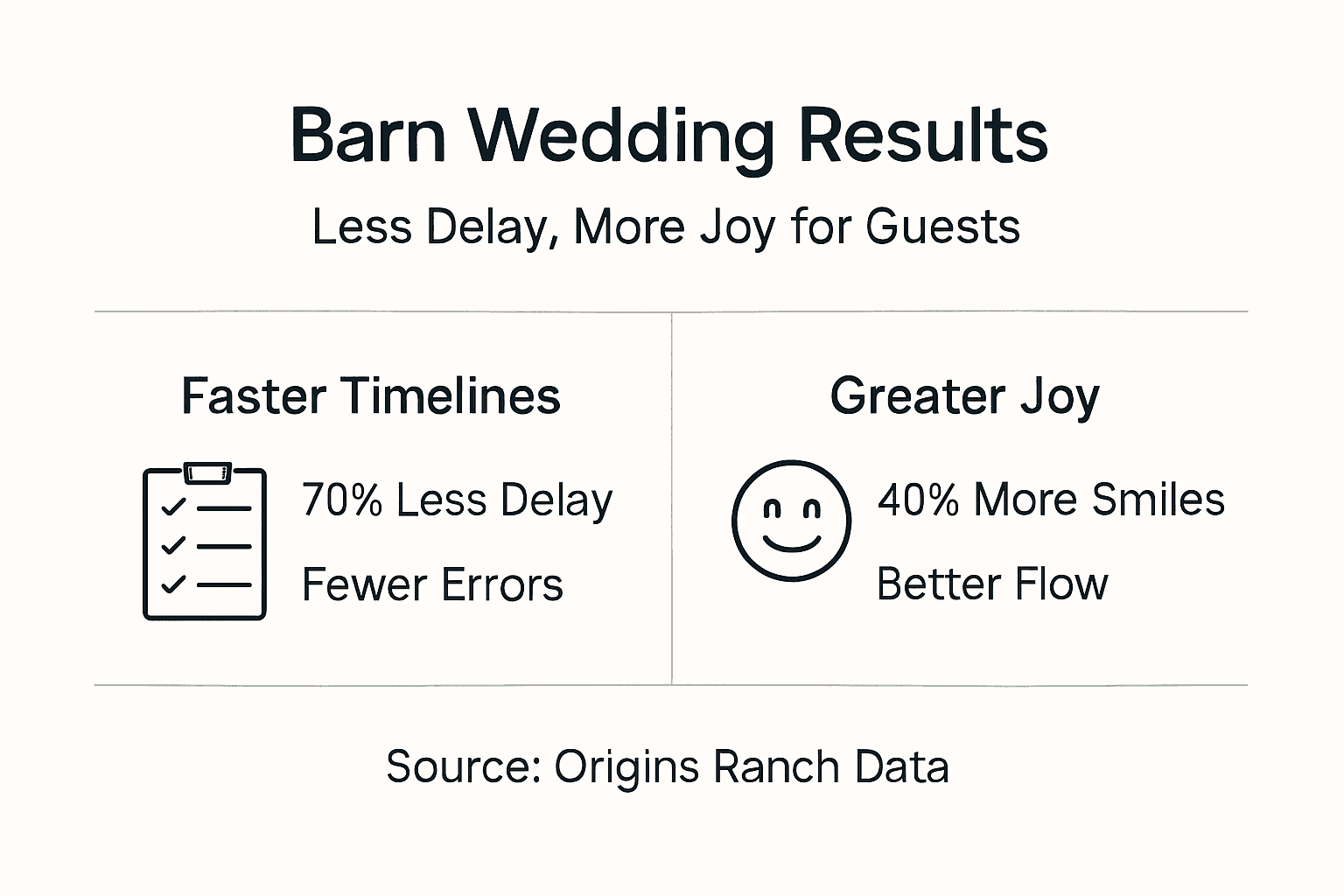
Guest list capacity adherence and professional personalization lead to approximately 40% higher guest satisfaction. Comfortable spacing, thoughtful decor, and smooth event flow create memorable experiences guests praise for years. Overcrowded, poorly lit, or disorganized celebrations generate complaints instead of compliments.
Following detailed timelines and final walk-throughs decreases delays and last-minute issues significantly. Couples who implement comprehensive planning report 70% fewer timeline disruptions and substantially lower day-of stress. Your investment in preparation pays dividends in peace of mind.
Success metrics:
| Planning Element | Target Timeline | Expected Outcome |
|---|---|---|
| Venue Booking | 12-18 months ahead | 95% date availability, reduced stress |
| Vendor Confirmation | 6-9 months ahead | Preferred professionals secured |
| Final Walk-Through | 2-4 weeks before | 60% fewer last-minute issues |
| Detailed Timeline | Completed 4 weeks prior | 70% reduction in delays |
| Guest Capacity Management | 85%-90% of max | 40% higher satisfaction scores |
Plan Your Dream Rustic Wedding at Origins Ranch
Ready to transform your barn wedding vision into reality with a venue that supports every step of this proven workflow? Origins Ranch in Plant City, FL offers the perfect blend of rustic charm and modern elegance for your celebration.
Our venue accommodates detailed planning with personalized attention from Barry, a veteran DJ with over 20 years of event experience. We provide the infrastructure, flexibility, and expertise that make this workflow achievable without stress.
Explore wedding day options at Origins Ranch to see how our space adapts to your unique vision while maintaining authentic barn character. We've hosted countless celebrations, refining our process to support smooth, joyful events.
Book your dream event at Origins Ranch and begin planning with recommended vendors who understand our venue's logistics. Early booking aligns perfectly with the 12 to 18 month timeline this guide recommends.
Book a tour to experience Origins Ranch in person and discuss how we'll support your specific needs. Our personalized approach ensures your barn wedding reflects your style while delivering the seamless experience you deserve.
Frequently Asked Questions
What are the best months for barn weddings in Florida?
March through May offers ideal weather with lower humidity and minimal rain risk. October through December provides comfortable temperatures and stunning sunset lighting. Avoid June through September when afternoon thunderstorms and intense heat create challenging conditions for outdoor celebrations.
How do we manage bugs at an outdoor barn venue?
Schedule professional pest control treatment one week before your event. Provide citronella candles and bug spray stations for guests. Consider screening or netting for dining areas. Evening events after sunset see fewer flying insects than afternoon celebrations.
Can we integrate cultural traditions in a rustic barn setting?
Absolutely. Barn venues provide blank canvases for cultural customization. Incorporate traditional ceremonies, ethnic cuisine, cultural music, and symbolic decor. The rustic backdrop complements rather than conflicts with most cultural elements when styled thoughtfully.
What backup options work best for outdoor barn ceremonies?
Clear-top tents preserve outdoor ambiance while protecting from rain. Indoor barn spaces offer climate-controlled alternatives when weather turns severe. Covered pavilions split the difference with open sides and overhead protection. Decide your rain plan at contract signing, not last minute.
How much setup time should we allocate for vendors?
Florists need two hours for ceremony and reception arrangements. Caterers require three to four hours for food prep and station setup. DJs and bands need 60 to 90 minutes for equipment setup and sound checks. Coordinate staggered arrivals to prevent congestion.
Should we hire a day-of coordinator for our barn wedding?
Yes, especially for barn venues where logistics complexity increases. Coordinators manage vendor timing, handle problems invisibly, and keep your timeline on track. The $1,000 to $2,500 investment protects your $30,000+ celebration and lets you enjoy your day stress-free.