
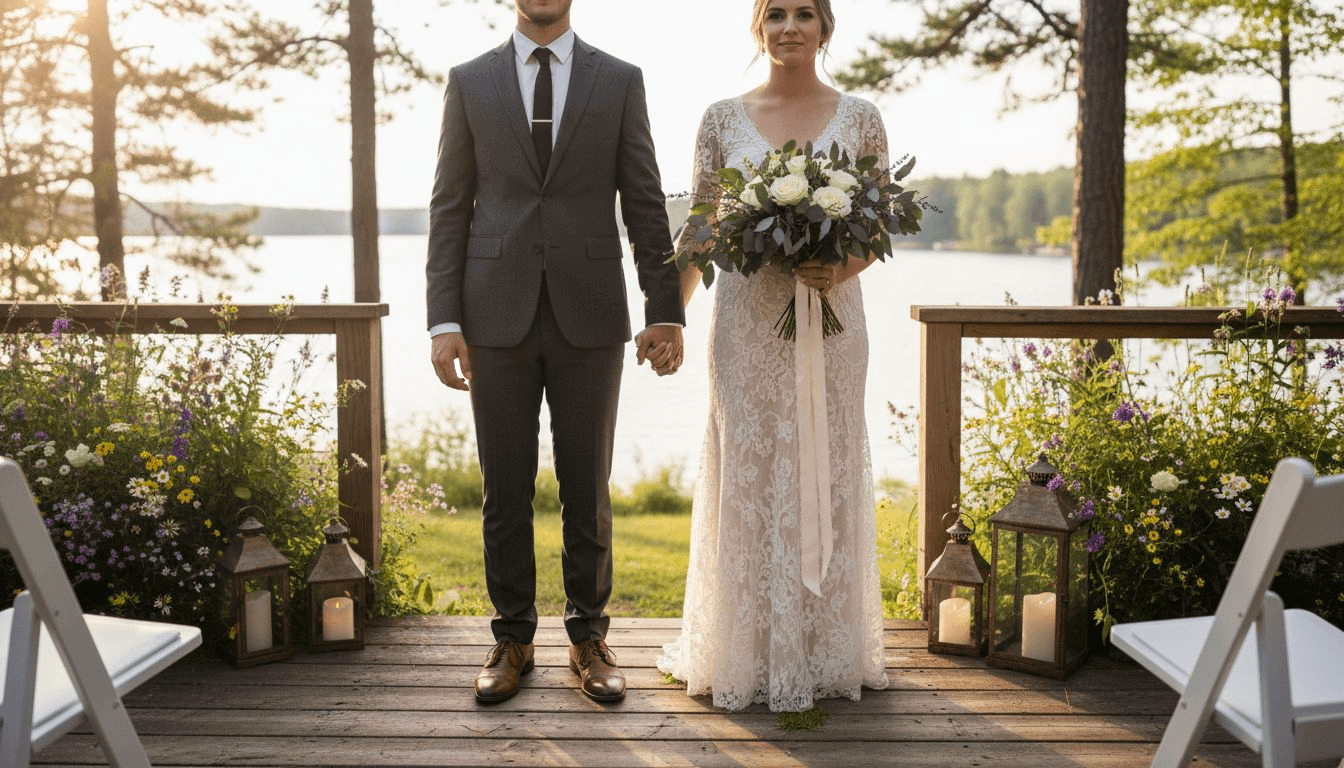
Finding a venue that reflects your story while supporting causes you care about can feel daunting for Florida couples planning a rustic barn wedding. Destination venues blend romance, leisure, and celebration, creating a shared adventure that goes beyond tradition. Personalized services and veteran support initiatives set modern barn venues apart, offering meaningful experiences in authentic surroundings. This guide clarifies misconceptions, compares venue types, and explains how Florida barn weddings deliver unique value for couples who want their celebration to make a difference.
Table of Contents
- Defining Destination Wedding Venues And Misconceptions
- Types Of Destination Wedding Venues Explained
- Key Features And Planning Process
- Legal, Logistical, And Accessibility Considerations
- Costs, Risks, And Common Wedding Mistakes
Key Takeaways
| Point | Details |
|---|---|
| Destination weddings offer unique experiences | A destination wedding combines the celebration with a vacation for guests, turning the event into a multi-day adventure. |
| Common misconceptions are misleading | Many believe destination weddings are only for the wealthy or that fewer guests will attend, but they can be accessible and engaging for all. |
| Planning is critical | Start preparations 12–18 months in advance to secure venues and manage logistics effectively across locations. |
| Venue choice impacts the celebration | The type of venue influences guest experience, accessibility, and overall atmosphere; choose one that aligns with your wedding vision. |
Defining Destination Wedding Venues and Misconceptions
A destination wedding venue is a location outside your hometown where you host your entire celebration, combining your wedding day with a vacation experience for guests. Unlike traditional at-home weddings, destination venues invite couples and their loved ones to travel to a specific location—often in a picturesque setting—turning the event into a multi-day celebration.
Destination weddings represent a growing global segment where couples blend leisure, romance, and celebration into one unforgettable experience. You're not just getting married; you're creating a shared adventure with the people who matter most.
What Makes a Destination Venue Different
Destination venues differ from local wedding spaces in several key ways:
-
Setting and atmosphere: Think of rustic barns in the countryside, beachfront resorts, or charming rural estates offering natural beauty and character as your backdrop.
-
All-in-one experience: Guests travel to one location and spend multiple days celebrating, reducing the stress of coordinating separate venues for ceremony, reception, and activities.
-
Personalized attention: Many destination venues, like Origins Ranch, provide hands-on service where the owner understands every detail of your vision.
-
Extended celebration: Your wedding becomes a multi-day event with time for rehearsals, welcome dinners, and post-wedding brunches that strengthen bonds with your guests. n
Common Misconceptions About Destination Weddings
Many engaged couples dismiss destination weddings based on false assumptions. Here's what research actually shows:
Misconception 1: They're only for the wealthy.
Reality: Couples choose destination weddings for climate, impressive sites, and intimacy, not just luxury budgets. The market is expanding across various price points, making destination celebrations accessible to more couples than ever before.
Misconception 2: Fewer guests will attend.
Reality: Many guests view destination weddings as exciting vacations combined with celebration. You're offering them an experience, not just attending an event.
Misconception 3: Planning from afar is impossible.
Reality: Modern venues provide comprehensive coordination services. With regular communication, video tours, and detailed planning tools, managing a destination wedding remotely is straightforward.
Misconception 4: Guest accommodations are complicated.
Reality: Destination venues work with local hotels and resorts to provide convenient, discounted options. You simply share recommendations with your guest list.
To clarify common myths about destination weddings, here's a comparison of misconceptions and actual realities:
| Misconception | Reality Explained |
|---|---|
| Only for the wealthy | Accessible at many price points, not just for luxury |
| Few guests will attend | Many see it as a vacation opportunity |
| Can't plan from a distance | Venues provide remote planning support |
| Guest accommodations are complex | Venues help with lodging and group rates |
Why Florida Couples Are Choosing Destination Venues
If you're an engaged couple in Florida seeking a rustic barn wedding, a destination venue right in your state offers surprising benefits:
-
Support for military families: Venues like Origins Ranch feature programs such as Weddings For Warriors, offering discounted or complimentary services to veterans and active duty service members.
-
Escape the ordinary: Even Florida residents benefit from switching scenery to a charming rural setting with character and history.
-
Concentrated planning: Hosting everything at one venue with an experienced team reduces coordination headaches significantly.
Destination weddings aren't about excluding people or overspending—they're about creating concentrated, meaningful experiences where your guests travel together to celebrate your love.
Pro tip: When evaluating a destination venue, ask specifically about their experience coordinating with out-of-town guests, their vendor relationships, and whether they offer personalized services that align with your values, such as veteran support or sustainability practices.
Types of Destination Wedding Venues Explained
Destination wedding venues span a wide range of settings, each offering distinct atmospheres and experiences. Your choice of venue type fundamentally shapes how your celebration feels, how guests interact with the space, and what memories you create together.
Popular Destination Venue Types
Research identifies diverse venue types attracting couples, from intimate natural settings to glamorous locations. Here are the most popular options:
-
Rustic barns and farmsteads: Character-filled spaces with exposed beams, vintage charm, and natural surroundings ideal for couples seeking authenticity and warmth.
-
Beachfront and waterfront venues: Oceanside celebrations offering sandy backdrops, water views, and relaxed atmospheres perfect for casual or semi-formal affairs.
-
Garden and natural landscapes: Lush outdoor settings surrounded by flowers, trees, and natural beauty requiring minimal decoration.
-
Historic castles and estates: Grand architectural spaces that evoke romance and elegance, often blending cultural traditions with contemporary celebrations.
-
Vineyards and orchards: Working agricultural properties offering scenic rows of vines or trees, combining celebration with the charm of rural life.
-
Mountain retreats and lodges: High-altitude venues offering dramatic vistas and cooler climates, perfect for couples seeking adventure and natural drama.
-
Luxury hotels and ballrooms: Full-service venues with comprehensive amenities, climate control, and professional staffing for sophisticated celebrations.
Why Venue Type Matters for Your Celebration
Your venue type influences far more than just appearance. It affects guest accessibility, accommodation options, weather considerations, and the overall tone of your celebration.
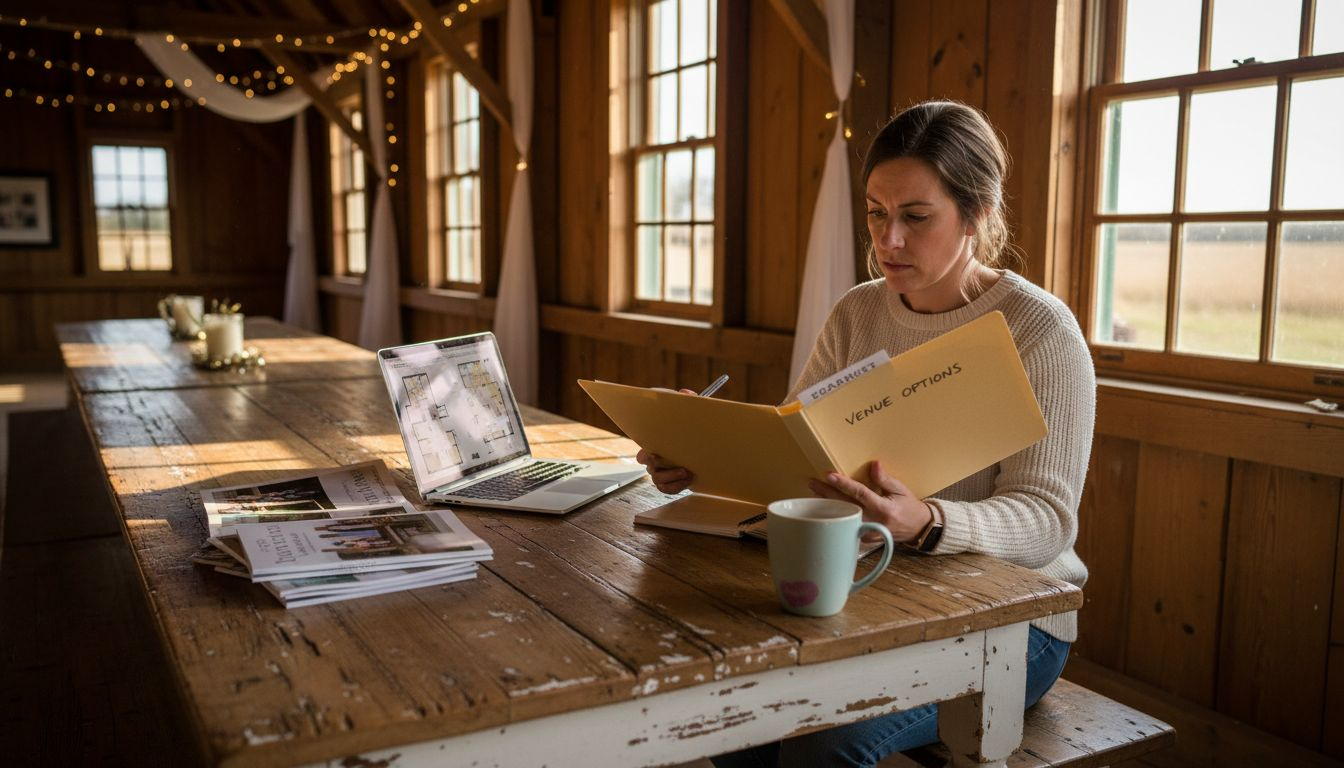
Rustic barn venues, for example, attract couples prioritizing intimate gatherings with personal touches. These spaces naturally encourage meaningful interactions because guests are concentrated in authentic surroundings without the formality of ballrooms.
When selecting your venue type, consider what matters most to you. Are you seeking adventure? Intimacy? Luxury? Cultural immersion? Your answer determines which category best serves your vision.
The Florida Barn Wedding Advantage
If you're an engaged couple in Florida, rustic barn venues offer surprising benefits beyond aesthetic appeal. Venues like Origins Ranch showcase authentic rural charm while providing modern amenities and personalized services.
Florida barn venues typically feature:
-
Year-round accessibility: Mild winters mean celebrations can happen anytime without season-specific constraints.
-
Proximity for guests: Your family and friends don't need to fly across the country; they're already nearby.
-
Unique contrast: Even Florida natives appreciate escaping to rustic countryside settings away from the usual beachfront aesthetic.
-
Established vendor networks: Local barn venues maintain relationships with photographers, caterers, and florists familiar with their specific spaces.
Venue type isn't just about looks—it's about creating an environment where your guests feel welcome, engaged, and connected to your celebration's authentic story.
Pro tip: Visit potential venues during the same time of day and season you're planning your wedding to experience natural lighting, temperature, and how the space actually feels during your celebration timeframe.
Key Features and Planning Process
Planning a destination wedding differs fundamentally from organizing a local celebration. Success requires intentional coordination across multiple timelines, vendors, and logistics that extend far beyond your ceremony day.
Start Early and Plan Strategically
The planning timeline matters more for destination weddings than traditional events. Start preparation 12–18 months in advance to allow sufficient time for venue selection, legal requirements, and vendor coordination.
Why the longer timeline? Destination venues book faster, international vendors need extended communication, and your guests require substantial advance notice to arrange time off work and coordinate travel.
Begin by identifying your must-haves:
-
Budget parameters: Establish spending limits before venue hunting to avoid falling in love with spaces outside your range.
-
Guest count: Know roughly how many people you're inviting; this drives venue size, accommodation needs, and logistical complexity.
-
Ideal timeframe: Identify seasons, months, or specific dates that matter to you and your partner.
-
Venue vision: Understand whether you're drawn to rustic barns, beachfronts, gardens, or other settings.
Essential Planning Components
Destination wedding planning integrates multiple moving parts simultaneously. Here's what requires your attention:
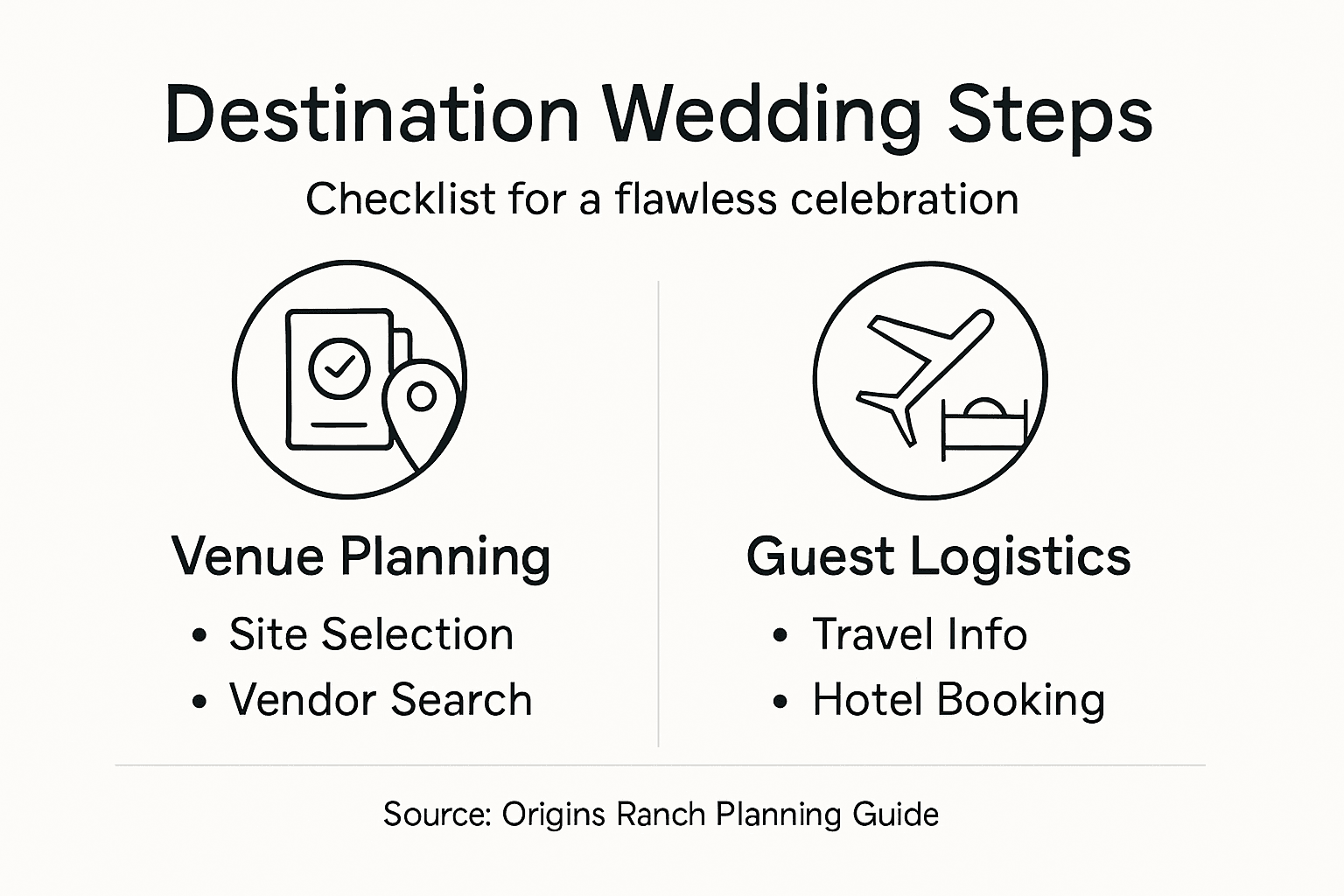
Legal and documentation requirements vary dramatically by location. Understanding regional marriage laws and preparing necessary documentation prevents costly delays and complications.
Some locations require residency periods before marriage licenses are issued. Others have specific paperwork or witness requirements. Research your chosen destination's regulations early—don't discover surprises weeks before your celebration.
Vendor coordination becomes exponentially more complex. Work with venues familiar with local photographers, caterers, florists, and musicians who understand regional styles and logistics.
Accommodation planning affects guest experience significantly. Identify nearby hotels, resorts, or lodging options and provide your guests with curated recommendations, group rates, and booking details well in advance.
The Personalized Service Advantage
Engaged couples benefit tremendously from venues offering comprehensive coordination services. Venues with experienced teams handle vendor relationships, understand local nuances, and anticipate logistical challenges before they become problems.
When evaluating venues, ask whether they provide:
-
On-site day-of coordination and management
-
Relationships with pre-vetted local vendors
-
Guest communication support and logistics guidance
-
Weather contingency planning and backup options
-
Personalized planning assistance tailored to your vision
Destination wedding success hinges on early planning, clear communication with guests, and partnering with experienced venue teams who understand your specific location's requirements and opportunities.
Pro tip: Create a detailed timeline document with key decision deadlines, vendor booking windows, and guest communication milestones, then share it with your fiancé and any key family members helping with planning.
Legal, Logistical, and Accessibility Considerations
Destination weddings introduce legal and logistical complexities that domestic celebrations simply don't require. Understanding these factors early prevents expensive mistakes, delays, and disappointment as your celebration date approaches.
Navigating Marriage Laws and Documentation
Every destination has unique legal requirements for marriage. Local marriage laws vary significantly, including residency requirements and documentation needs, making research essential before committing to a venue.
Some locations require you to live there for days or weeks before obtaining a marriage license. Others demand specific documents or translations. What works in one country might be completely different 200 miles away.
Here's what you typically need to research:
-
Residency periods: How long must you be present before applying for a license?
-
Document requirements: Birth certificates, divorce decrees, or proof of single status often need notarization or translation.
-
License timelines: How long does the licensing process take from application to approval?
-
Ceremony legality: Determine whether your ceremony will be legally binding or purely symbolic, requiring a separate civil marriage at home.
Logistical Coordination and Guest Accessibility
Moving your celebration away from home introduces coordination challenges at every level. Managing travel arrangements, vendor coordination, and accommodation bookings requires systematic planning and clear communication.
Start by evaluating your venue's accessibility. Can guests with mobility challenges easily navigate the space? Are wheelchair-accessible bathrooms and entrances available? What about guests with dietary restrictions or medical needs?
Communication becomes your most valuable tool. Provide guests with:
-
Detailed travel information: Flight recommendations, ground transportation, and parking details.
-
Accommodation options: Multiple lodging choices at varying price points with group rates if available.
-
Timeline and itinerary: Clear schedules showing ceremony times, activities, and meal plans.
-
Local information: Weather expectations, cultural customs, and what to pack.
Special Needs and Inclusive Celebration Planning
Inclusive planning means thinking beyond the obvious. Consider guests who are elderly, pregnant, traveling with young children, or managing health conditions.
Will shuttle service be available from accommodations to the venue? Can the venue accommodate mobility aids like wheelchairs or walkers? Are there shaded areas for guests sensitive to sun exposure? Can dietary restrictions be managed by your catering partner?
Engaged couples benefit from venue teams experienced with diverse guest needs. They anticipate challenges and offer solutions without requiring you to ask.
Legal compliance and guest accessibility aren't afterthoughts—they're foundational to creating celebrations where everyone feels welcome and logistics run smoothly.
Pro tip: Engage local wedding professionals or legal consultants familiar with your specific destination at least 12 months ahead; they understand regional requirements and can navigate documentation and licensing far more efficiently than you attempting it alone.
Here is a quick-reference table summarizing unique challenges and solutions for destination wedding planning:
| Planning Challenge | Why It Matters | Smart Solution |
|---|---|---|
| Regional marriage laws | Delays if missed | Hire local legal expert early |
| Vendor coordination | Quality and reliability | Choose vendors with destination experience |
| Guest accessibility | Impacts attendance | Provide clear travel and lodging info |
| Unexpected costs | Strains your budget | Build a 15–20% contingency fund |
| Weather uncertainties | Can disrupt plans | Secure backup venue options |
Costs, Risks, and Common Wedding Mistakes
Destination weddings carry hidden expenses and logistical challenges that surprise many couples. Understanding common pitfalls and realistic costs prevents budget overruns and last-minute stress that can derail your celebration.
Understanding True Destination Wedding Costs
Couples frequently underestimate destination wedding expenses because costs extend far beyond the obvious. Beyond venue rental, you're budgeting for guest travel subsidies, vendor fees, currency exchange, and contingency buffers.
Typical hidden costs include:
-
Travel and accommodation: Airfare, hotels, ground transportation, and meals for you and your wedding party.
-
Vendor travel expenses: Photographers, videographers, musicians, and other specialists may charge travel fees or require lodging.
-
Documentation and legal fees: Marriage license processing, document translations, notarization, and potential legal consultation.
-
Contingency reserves: Buffer funds for weather delays, last-minute vendor changes, or unexpected complications.
-
Currency exchange: International destinations often involve unfavorable exchange rates and banking fees.
Build a cushion of 15-20% above your initial estimate to account for surprises.
Common Planning Mistakes to Avoid
Common mistakes include starting too late, underestimating complexities, and attempting to manage all details without local help. These errors create unnecessary stress and compromise your celebration experience.
Here's what couples frequently get wrong:
Starting planning too close to your date. Destination venues book 12-18 months ahead. Waiting until nine months out severely limits options.
Choosing vendors without local expertise. Hiring photographers or caterers unfamiliar with your destination creates coordination nightmares and disappointing results.
Over-controlling every detail. Micromanaging from afar exhausts you and frustrates local vendors who understand regional constraints better than you do.
Neglecting guest experience. Failing to provide clear travel information, accommodation options, or schedule details frustrates guests and reduces attendance.
Risk Management and Financial Protection
Destination weddings carry unique risks requiring comprehensive risk management and financial protection. Professional planning includes buffers for unexpected events and thorough insurance coverage.
Protect yourself by:
-
Obtaining wedding insurance: Coverage for vendor cancellations, severe weather, or travel disruptions provides financial peace of mind.
-
Building flexibility into your schedule: Allow buffer days before and after your celebration for travel delays or unexpected issues.
-
Securing written vendor agreements: Clear contracts specify deliverables, payment terms, and contingency plans.
-
Communicating regularly with your venue: Consistent contact identifies and resolves potential problems before they escalate.
Smart destination wedding planning balances vision with flexibility, trusts local expertise, and builds financial buffers for the unexpected challenges that inevitably arise.
Pro tip: Invest in comprehensive wedding insurance covering vendor cancellations, weather emergencies, and travel disruptions; the cost typically runs 1-3% of your total budget but protects against losses far exceeding that amount.
Discover the Perfect Destination Wedding Venue at Origins Ranch
Planning a destination wedding comes with unique challenges such as coordinating guest logistics, ensuring personalized attention, and selecting a venue that offers both charm and comprehensive services. If you want to avoid common stresses like complicated accommodations and remote planning hurdles, Origins Ranch in Plant City, FL, offers a rustic barn venue that embraces intimacy and ease. Our experienced team understands the importance of creating unforgettable celebrations with all-in-one experiences that guests cherish.
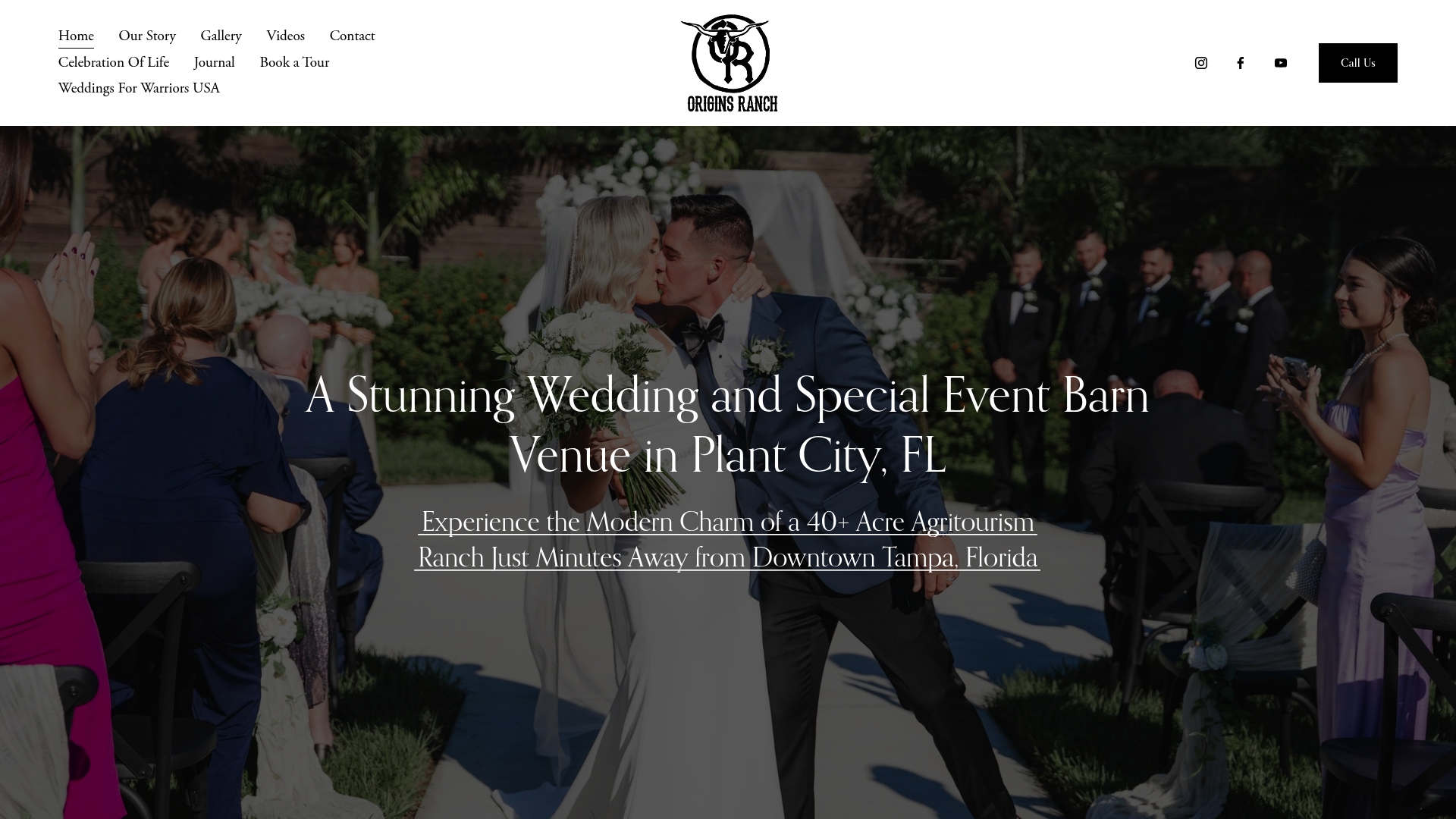
Experience the magic of a destination wedding venue that balances elegance with authenticity. With Barry, a veteran and seasoned event professional, leading the charge and initiatives like Weddings For Warriors supporting veterans, you receive personalized care tailored to your vision and values. Start your journey now by exploring how Origins Ranch can transform your special day into a heartfelt celebration. Visit Origins Ranch to learn more and book your dream wedding venue today.
Frequently Asked Questions
What are the benefits of choosing a destination wedding venue?
Destination wedding venues offer a picturesque setting, an all-in-one celebration experience, personalized attention, and the opportunity for multi-day festivities with your guests. This creates a memorable adventure that combines your wedding day with a vacation.
Are destination weddings only for wealthy couples?
No, destination weddings are becoming increasingly accessible to couples with varying budgets. Many venues offer options across diverse price points, making it a viable choice for a wide range of couples.
How can I plan a destination wedding from afar?
Modern destination venues provide comprehensive coordination services, including regular communication, video tours, and detailed planning tools that simplify the planning process even from a distance.
What common misconceptions exist about destination weddings?
Some common misconceptions include the belief that fewer guests will attend, that planning from a distance is impossible, and that guest accommodations are overly complicated. In reality, many guests view destination weddings as exciting vacation opportunities, and venues assist in coordinating accommodations and planning remotely.
Recommended
- Making Memories | Book Your Dream Event — Origins Ranch
- Styled By Origins Ranch | Explore Your Dream Venue — Origins Ranch
- Wedding Day | Celebrate with Us — Origins Ranch
- 5 Reasons to Select Origins Ranch for Your Wedding — Origins Ranch
- Luxury Sightseeing in Las Vegas: Memorable Moments Unveiled | MyVegasLimoTour