

Choosing a wedding venue in Florida means searching for more than just pretty scenery. For couples dreaming of a rustic barn wedding, the journey goes beyond finding four walls and a roof. The unique history and architectural diversity of barn venues set them apart from ordinary event spaces, offering a blend of charm, elegance, and personalized service. This guide reveals what truly defines a barn venue, clears up common misconceptions, and helps you find a setting where your celebration becomes part of its story.
Table of Contents
- Barn Venues Defined and Common Misconceptions
- Major Barn Venue Types and Architectural Styles
- How Barns Became Event Venues
- Risks, Challenges, and Legal Considerations
- Alternatives to Traditional Barn Venues
Key Takeaways
| Point | Details |
|---|---|
| Diverse Barn Venues | Barn venues vary significantly in design and functionality, offering unique charm and modern amenities. |
| Understanding Zoning | Always inquire about zoning permits and compliance to ensure legal operations at your chosen venue. |
| Customization Potential | Modern barn venues allow for stylistic flexibility, enabling couples to personalize their spaces for a unique celebration. |
| Exploring Alternatives | Consider alternatives like farms, vineyards, and urban spaces that may better suit your desired atmosphere and practical needs. |
Barn Venues Defined and Common Misconceptions
When you hear "barn venue," you might picture a simple hay storage building. The reality is far more complex and interesting. Modern barn venues are historic agricultural barns converted into sophisticated event spaces for weddings, parties, and celebrations.
But here's what many couples don't realize: barns are incredibly diverse in design and purpose.
What Actually Makes a Barn Venue
A barn venue combines architectural character with modern event functionality. These spaces preserve the rustic appeal that draws couples like you to choose them, while offering the amenities your guests expect.
Key characteristics of authentic barn venues include:
- Historic agricultural structures adapted for contemporary events
- Retained original architectural features (beams, stone, wood details)
- Modern facilities (climate control, lighting, restrooms, kitchen access)
- Flexible floor plans accommodating various guest counts
- Outdoor grounds for ceremonies or lawn games
Origins Ranch exemplifies this blend perfectly. What began as sugar sand and a World Champion Horse Ranch barn has transformed into an elegant venue that honors its agricultural heritage while delivering modern comfort.
Common Misconceptions About Barn Venues
Many engaged couples carry false assumptions into their venue search. Understanding the reality helps you make informed decisions.
Misconception 1: All barns are the same. Barns vary dramatically by region, original purpose, and conversion quality. A converted dairy barn differs fundamentally from a horse stable or grain storage building in layout and character.
Misconception 2: Any barn automatically works as an event venue. Zoning regulations, building codes, and local laws create significant complexities. Not every agricultural barn has permits or variances allowing commercial event use. This is why working with an experienced venue owner—like Barry at Origins Ranch with over 20 years in the event service industry—matters tremendously.
Misconception 3: Barn venues can't feel elegant. Modern barn venues balance rustic charm with sophisticated design. You can achieve both the warmth of country character and the elegance you want for your special day.
Misconception 4: Barn venues are all rustic with no customization. Contemporary barn venues offer flexibility in styling, décor, and event flow. Your personal touches transform the space into something uniquely yours.
Authentic barn venues honor agricultural heritage while delivering the modern event experience today's couples expect and deserve.
Understanding these distinctions helps you evaluate venues critically. When you visit Origins Ranch, you're experiencing a venue owner committed to both preserving character and ensuring your event runs flawlessly.
Pro tip: Ask any barn venue about its zoning permits, building certifications, and event insurance—these reveal whether ownership takes legal compliance and guest safety seriously.
Major Barn Venue Types and Architectural Styles
Barn architecture tells the story of American farming. Each regional style developed to solve specific agricultural challenges, from storing hay to housing livestock. Understanding these distinctions helps you appreciate the character and functionality of your potential venue.
Today's barn venues blend these historic styles with modern capability, creating spaces that feel authentically rooted while functioning perfectly for your wedding.
Traditional Barn Styles
Historic barns showcase distinct regional characteristics shaped by farming needs and available materials. Traditional barn designs include several recognized types, each with unique features.
English barns feature simple rectangular forms with large central threshing floors. These buildings prioritize internal functionality over external decoration.

Dutch barns display characteristic side sheds and covered structures, originating from practical European farming methods. They offer flexibility in layout for event spaces.
Pennsylvania barns stand out with distinctive overhanging forebays—the upper story extends over the lower level. This design protected livestock and stored feed efficiently while creating dramatic architectural presence.
New England barns typically position main doors on the end walls rather than sides. Their connected structures blend multiple functions under one roof.
Here's how the main traditional barn types differ:
| Barn Style | Defining Architectural Feature | Event Space Advantage |
|---|---|---|
| English Barn | Central threshing floor | Open, unobstructed interior |
| Dutch Barn | Side sheds and covered structure | Flexible event layouts |
| Pennsylvania Barn | Overhanging forebay design | Dramatic visual presence |
| New England Barn | End-wall main doors | Easy guest access flow |
Modern Barn Architecture
Contemporary barn venues reimagine these traditional forms for today's expectations. Modern designs incorporate sustainable materials while maintaining the rustic appeal you're seeking.
Key features of modern barn venues include:
- Open, adaptable interiors for flexible event layouts
- Minimalist aesthetics paired with dramatic structural elements
- Post-and-beam construction visible as design features
- Climate control and modern amenities seamlessly integrated
- Large-span roofs (gambrel or gable) creating soaring ceilings
- Generous windows bringing natural light to event spaces
Barn venue styles range from faithfully preserved historic structures to contemporary interpretations that honor tradition while meeting modern demands.
Origins Ranch exemplifies this evolution. A historic World Champion Horse Ranch barn transformed into an elegant, modern venue—the original architecture preserved, the functionality completely reimagined for your celebration.
Choosing Your Style
Your venue choice depends on the atmosphere you want to create. Historic barns offer authentic character and story. Modern barn venues provide flexibility and contemporary comfort. Many venues blend both approaches.
When visiting potential venues, notice how natural light flows through spaces. Ask about structural elements you can see and appreciate. The best barn venues let the architecture enhance your event, not compete with it.
Pro tip: Visit barn venues during different times of day to see how natural light changes the space—morning light tells a completely different story than golden hour, and this dramatically affects photography and atmosphere.
How Barns Became Event Venues
The transformation of barns into wedding venues didn't happen overnight. It reflects a fundamental shift in American agriculture and how we value historic structures. Understanding this evolution helps you appreciate why barn venues offer something truly special for your celebration.
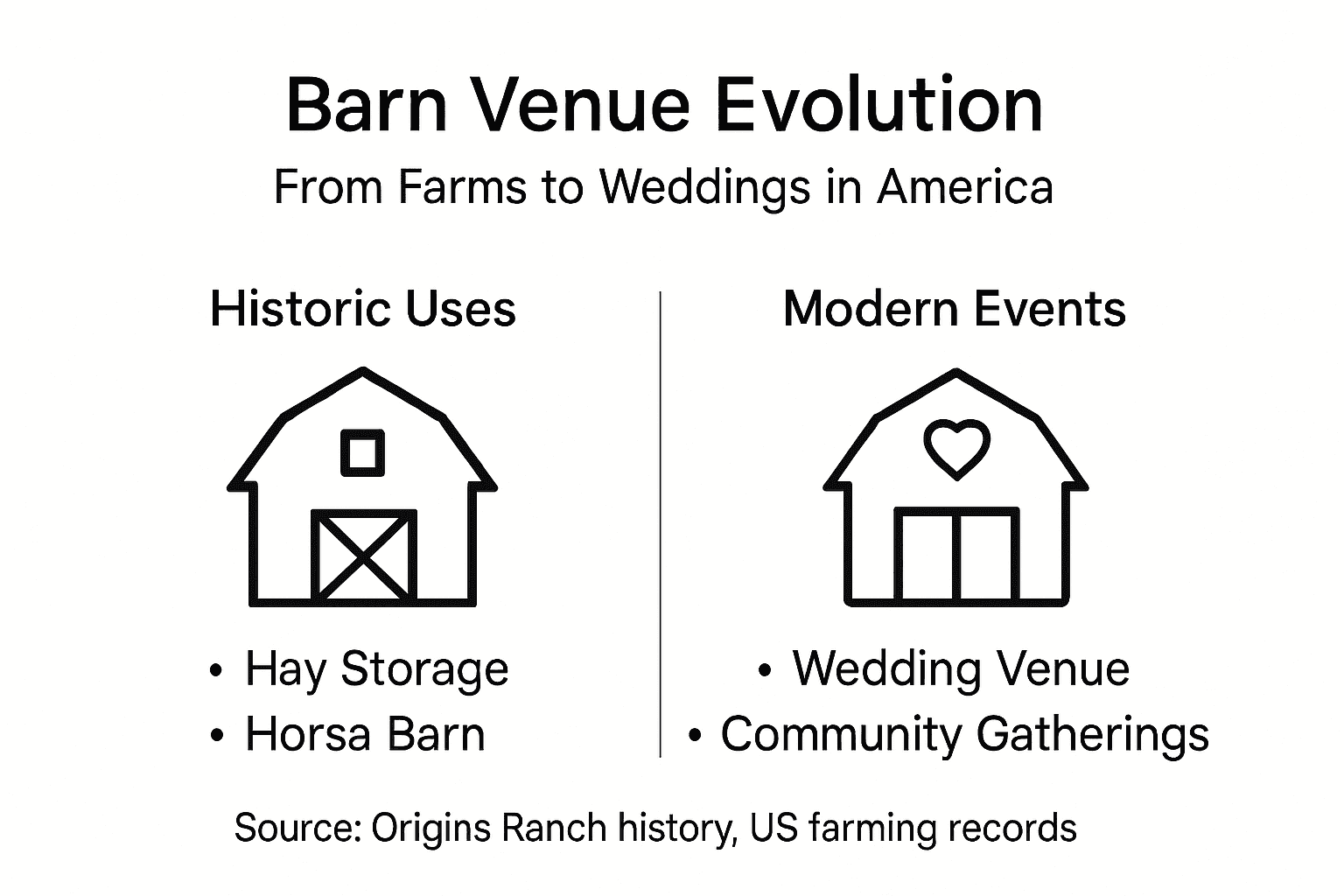
The story begins with economic reality. As traditional farming declined and small family farms reduced in number, thousands of barns across the country became economically redundant. These structures—some over a century old—represented both architectural heritage and unused space.
The Economic Shift
Farmers faced a difficult choice: maintain buildings that no longer served agricultural purposes or find new uses for them. Demolition seemed wasteful for structures that had stood for generations, especially when their solid construction and spacious interiors offered potential.
Adaptive re-use of historic barns transformed these buildings into residences, offices, and event venues. This trend reflected both practical economics and a broader cultural movement toward preservation.
Why Barns Work for Events
Barns possessed inherent advantages that made them naturally suited for celebrations. Their practical origins created the exact qualities engaged couples now seek.
Key advantages barn spaces offered:
- Spacious interiors without restrictive interior columns or walls
- Rural charm and authentic character impossible to recreate artificially
- Flexible layouts designed for various agricultural functions
- High ceilings creating dramatic vertical space for décor and lighting
- Pre-existing structure eliminating need for tent rental or temporary construction
- Natural backdrops with surrounding land for ceremonies and photography
When farming became less viable, barns found new purpose—transforming into community gathering spaces that preserve history while creating memories.
The Wedding Venue Connection
By the 1990s and 2000s, event planners and couples recognized barn potential. Wedding magazine features showcased renovated barns. Pinterest boards filled with rustic barn aesthetics. What had been agricultural necessity became desirable celebration destination.
Barns offered something increasingly rare: authenticity. In an era of cookie-cutter banquet halls, barn venues provided genuine character with history embedded in their beams and walls.
Origins Ranch exemplifies this transformation perfectly. Starting with nothing but sugar sand and a barn from a World Champion Horse Ranch, owner Barry built something far more valuable—a venue where couples create their most meaningful memories while honoring agricultural heritage.
This shift represented more than architectural reuse. It reflected changing values about preserving the past, supporting rural communities, and seeking meaningful experiences over generic settings.
Pro tip: Ask your barn venue owner about the building's agricultural history—understanding what the space previously housed often deepens your emotional connection to the venue and creates richer storytelling opportunities for your wedding day.
Risks, Challenges, and Legal Considerations
Barn venues offer charm and character, but they come with complexities that cookie-cutter banquet halls don't face. Understanding these challenges helps you choose a venue that operates responsibly and protects your celebration.
The primary issue stems from zoning. Many barns sit on agricultural or residential properties where commercial event use wasn't explicitly anticipated by local regulations. This creates a gray area that affects both venue operators and couples booking events.
Zoning and Regulatory Challenges
Barn venue conversion faces zoning complications because agricultural properties often lack clear commercial authorization. Some venue owners pursue use variances or claim agritourism status to legitimize operations. Others operate in ambiguous legal territory.
The stakes matter for your wedding. If a venue operates without proper authorization, your event could face disruption or legal consequences affecting your celebration day.
Common Operational Challenges
Beyond zoning, barn venues encounter practical complications that standard venues avoid.
Typical issues include:
- Noise complaints from neighboring properties, especially during evening receptions
- Traffic and parking concerns with limited infrastructure on rural properties
- Safety compliance with varying local building codes and fire regulations
- Guest capacity limitations based on emergency egress and occupancy laws
- Licensing requirements for serving alcohol or hosting ceremonies
- Health and safety protocols including food service regulations
- Neighbor relations affecting long-term venue viability
Responsible barn venue operators invest heavily in compliance because cutting corners creates liability for themselves and ruins weddings for couples.
Questions to Ask Your Venue
Before booking, dig deeper than tour photos and price quotes. These questions reveal whether the venue takes legal compliance seriously.
Ask specifically about:
- Current zoning classification and any variances or permits held
- Building code compliance certifications and inspection dates
- Fire safety ratings and emergency exit capacity
- Liability insurance coverage and what it protects
- Alcohol service licensing and restrictions
- Guest capacity limits and how they're enforced
- Weather backup plans and contingency procedures
A venue owner who answers these questions thoroughly demonstrates professionalism. Vague responses suggest potential problems.
Why This Matters for Your Wedding
These details feel administrative until something goes wrong. A venue shut down mid-event. A fire marshal stopping your reception. Liability issues after someone gets injured. These scenarios destroy weddings.
Origins Ranch operates with transparency because owner Barry brings 20 years of event service industry experience. That background means understanding compliance isn't optional—it's foundational to creating the safe, memorable celebration you deserve.
Pro tip: Request written confirmation of the venue's zoning status, liability insurance, and any permits before signing your contract—this protects you if legal complications arise closer to your wedding date.
Alternatives to Traditional Barn Venues
Barn venues capture something special, but they're not the only rustic option worth considering. Exploring alternatives helps you find the setting that truly resonates with your vision and values as a couple.
The popularity of rustic celebrations has expanded venue options dramatically. What once meant choosing between a banquet hall and a church now includes dozens of creative possibilities, each offering distinct character and flexibility.
Rural and Agricultural Alternatives
If barn aesthetics appeal to you but you want different options, several rural venues deliver similar atmosphere with unique advantages.
Farm venues preserve agricultural character while offering more developed facilities than many barns. Working farms often include manicured gardens, livestock areas for photos, and established event infrastructure.
Vineyards combine rustic charm with an air of sophistication. Rows of grapevines create natural backdrops, while wine service integrates seamlessly into your celebration.
Historic estates and manor homes offer comparable elegance to barns but with established guest accommodations and more refined interiors. These properties often feature landscaped grounds and architectural character spanning centuries.
Garden venues provide outdoor beauty with curated landscapes replacing wild countryside aesthetics. They work beautifully for couples preferring manicured natural settings over working agricultural spaces.
Urban and Creative Alternatives
Non-traditional event spaces extend far beyond rural settings. Urban rooftops, warehouses, museums, and historic industrial buildings offer completely different atmospheres while delivering the uniqueness you're seeking.
These venues appeal to couples who want distinctive celebrations without rural isolation. Urban alternatives often provide easier guest logistics, nearby hotels, and built-in amenities.
Comparison of popular alternatives:
Use this table to quickly compare rural vs. urban non-traditional venue alternatives:
| Venue Type | Distinctive Benefit | Best For |
|---|---|---|
| Farm | Authentic rural experience | Nature-loving couples |
| Vineyard | Sophisticated rustic setting | Wine enthusiasts |
| Rooftop | Urban skyline views | City-based celebrations |
| Warehouse | Industrial, open interiors | Modern aesthetic events |
- Rooftop venues offer skyline views and urban sophistication
- Historic warehouses provide industrial charm and dramatic architectural bones
- Museums and galleries deliver cultural significance and curated backdrops
- Historic buildings offer period character and established ceremony spaces
- Public parks provide natural settings with government oversight ensuring compliance
The best venue matches your relationship's personality—whether that's a working farm, mountain lodge, urban loft, or yes, a beautiful barn.
Why Couples Choose Alternatives
Some couples select alternatives specifically because barn venues have become trending. Others prioritize practical factors like guest accessibility, climate control, or parking availability that certain alternatives handle better.
Consider your guest list's needs. Are your attendees primarily from the city who'd struggle with rural locations? Do elderly relatives need accessibility features? Would your guests appreciate a walkable urban environment? These practical considerations sometimes point toward alternatives.
Other couples simply connect more deeply with different aesthetics—industrial spaces, historic buildings, or garden settings that capture their personality more authentically than rustic barns.
Pro tip: Visit your top venue choices during actual event times to experience how they function with guests present, not during quiet touring hours—this reveals practical issues you'll otherwise discover on your wedding day.
Discover the Perfect Blend of History and Elegance at Origins Ranch
The article highlights the fascinating journey of barns evolving from agricultural workspaces to cherished wedding venues. You want a venue that honors this rich heritage while providing modern comforts and legal peace of mind. Origins Ranch understands these challenges and celebrates the authentic character of historic barns enhanced with sophisticated amenities. Our commitment to safety, compliance, and personalized service means your special day unfolds flawlessly without surprises.
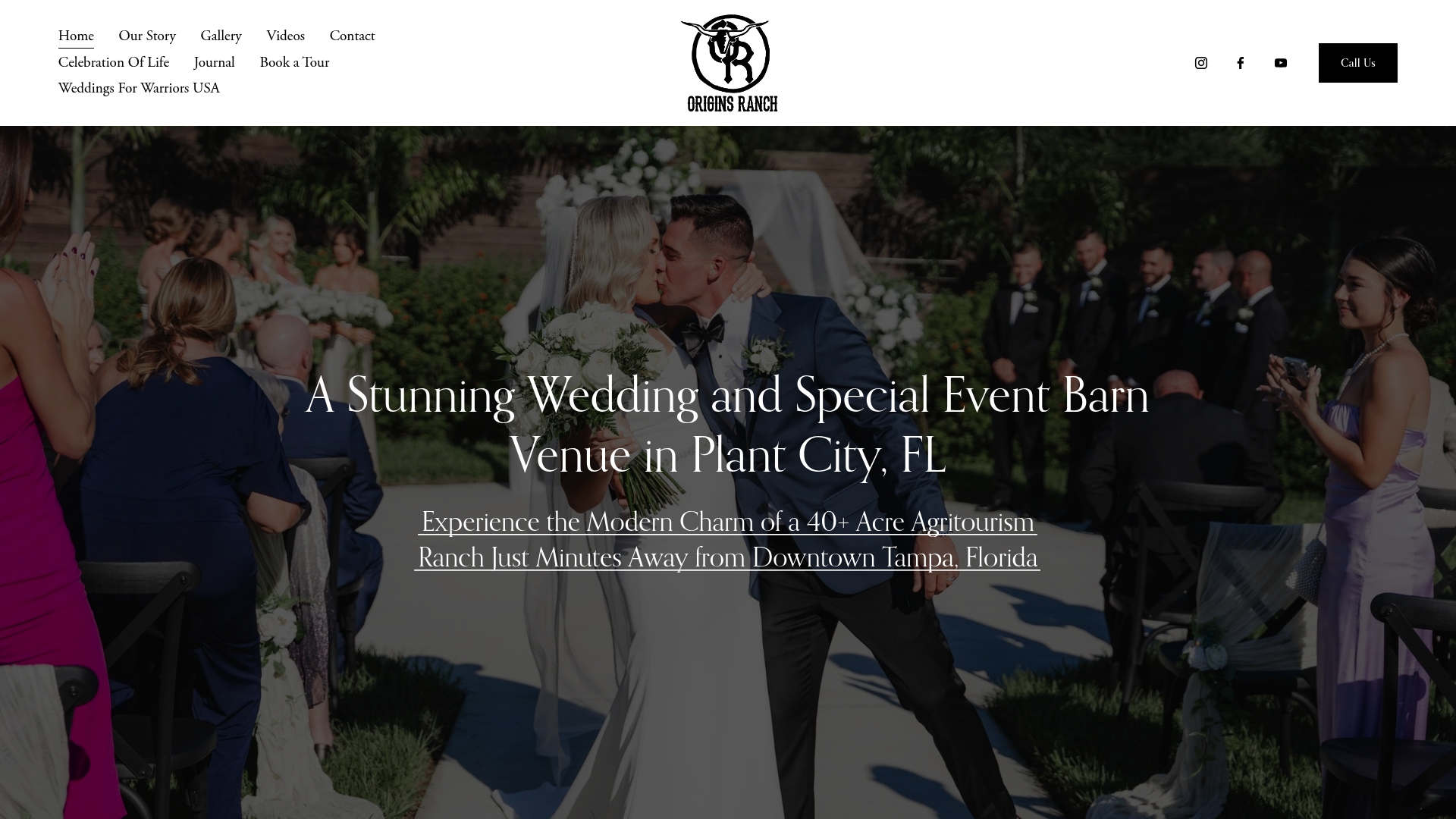
Experience a World Champion Horse Ranch barn transformed into an elegant event space by owner Barry, a veteran and expert with over 20 years in the event service industry. If you seek a venue where rustic charm meets contemporary elegance and legal confidence, explore what Origins Ranch offers. Visit Origins Ranch today and step into your perfect celebration setting that honors tradition and creates unforgettable memories.
Frequently Asked Questions
What are the benefits of choosing a barn venue for a wedding?
Barn venues offer spacious interiors, authentic rustic charm, high ceilings for dramatic decorations, and flexible layouts that can accommodate various guest counts, making them ideal for unique celebrations.
How have barns transformed from agricultural spaces to event venues?
The transformation occurred as traditional farming declined, leading to the adaptive reuse of barns into event spaces. This shift reflected both economic realities and a cultural movement to preserve historical structures while providing a unique venue option for couples.
What types of barn styles are popular for wedding venues?
Popular barn styles include English barns with central threshing floors, Dutch barns featuring side sheds, Pennsylvania barns with overhanging forebays, and New England barns that typically position doors at end walls. Each style offers different advantages for event layouts and aesthetics.
What should couples ask about zoning and legal considerations when choosing a barn venue?
Couples should ask about the venue's zoning classification, any variances or permits held, building code compliance, fire safety ratings, alcohol licensing, and guest capacity limits to ensure the venue operates legally and safely.