

Planning a rustic barn wedding in Central Florida often feels like balancing heartfelt dreams with real-life logistics. Couples eager for a personal touch and meaningful causes, like supporting veteran-focused charities, know that every vendor and family member plays a unique part in shaping the celebration. Defining roles is the foundation for smooth planning, helping you honor your vision while fostering clear communication and purposeful collaboration.
Table of Contents
- Defining Roles In Wedding Planning
- Primary Wedding Planner Vs. Day-Of Coordinator
- Vendor Responsibilities At Barn Venues
- Family, Friends, And Volunteer Roles Explained
- Common Missteps In Delegating Wedding Duties
Key Takeaways
| Point | Details |
|---|---|
| Understanding Roles | Clearly defining the roles of vendors and family members simplifies the wedding planning process and ensures every detail is addressed. |
| Choosing the Right Support | Decide between a primary wedding planner or a day-of coordinator based on your planning needs and comfort level. |
| Vendor Coordination at Unique Venues | Specialized vendor expertise is essential for addressing the unique challenges presented by barn venues. |
| Effective Delegation | Clear communication and realistic expectations prevent common delegation pitfalls and enhance volunteer involvement. |
Defining Roles in Wedding Planning
Planning a wedding is like conducting an intricate orchestra, where every participant plays a crucial role in creating a harmonious celebration. Each vendor and family member contributes unique skills and responsibilities that transform a vision into a memorable event. Understanding these roles is essential for couples navigating the complex landscape of wedding preparation.
In wedding planning, multiple key roles emerge that are fundamental to successful event execution. Sociological wedding research suggests these roles serve critical social functions beyond mere logistics, helping couples transition into their new shared identity. The primary wedding planning roles typically include:
- Wedding Planner: Coordinates overall event logistics and vendor communication
- Venue Coordinator: Manages site-specific details and facility requirements
- Catering Team: Handles menu planning, food preparation, and service
- Photography/Videography Professionals: Document the entire wedding experience
- Floral Designer: Creates visual aesthetics through botanical arrangements
- Music/Entertainment Professionals: Manage ceremony and reception entertainment
Understanding each role's specific responsibilities helps couples create a more streamlined planning process. Cultural wedding studies highlight how these roles can vary based on regional traditions, emphasizing the importance of clear communication and defined expectations.
Successful wedding planning requires collaborative teamwork, where each professional brings specialized expertise to create a cohesive celebration. Clear communication, mutual respect, and well-defined responsibilities ensure that every aspect of the wedding receives proper attention and care.
Pro tip: Schedule an initial meeting with all key vendors to establish clear communication channels and align everyone's understanding of your wedding vision.
Primary Wedding Planner vs. Day-Of Coordinator
Choosing between a primary wedding planner and a day-of coordinator can significantly impact your wedding preparation experience. While these roles might seem similar at first glance, they represent distinct levels of professional involvement and support throughout your wedding journey.
Wedding planning professionals offer varying levels of service that can dramatically streamline your wedding preparation. The key differences between these roles include:
- Wedding Planner: Full-service professional managing entire planning process
- Day-Of Coordinator: Focuses exclusively on wedding day execution
- Wedding Planner Scope: Comprehensive support from initial consultation to final celebration
- Day-Of Coordinator Scope: Ensures smooth implementation of pre-established plans
A primary wedding planner provides comprehensive support from the earliest stages of planning. Detailed coordination research reveals that these professionals guide couples through critical decisions, including:
- Venue selection and contract negotiations
- Budget management and vendor recommendations
- Design conceptualization and theme development
- Comprehensive timeline creation
- Vendor communication and coordination
In contrast, a day-of coordinator typically becomes involved closer to the wedding date, focusing primarily on executing the meticulously planned event. Their primary responsibility is ensuring that every predetermined detail unfolds smoothly, acting as a behind-the-scenes maestro who keeps the wedding day running seamlessly.
Choosing between these professionals depends on your specific needs, budget, and comfort level with wedding planning. Some couples prefer comprehensive support, while others feel confident managing most details themselves and just want professional day-of coordination.
Here's a clear comparison of wedding planner and day-of coordinator services:
| Service Aspect | Wedding Planner | Day-Of Coordinator |
|---|---|---|
| Involvement Period | Months in advance | Wedding day only |
| Planning Guidance | Full process advice | Executes pre-set plans |
| Vendor Management | Recommends and negotiates | Coordinates on event day |
| Stress Reduction | Ongoing support | Last-minute troubleshooting |
This table helps couples quickly understand which level of support fits their needs.
Pro tip: Consider your personal planning skills, time availability, and stress tolerance when deciding between a full wedding planner and a day-of coordinator.
Vendor Responsibilities at Barn Venues
Barn wedding venues create a unique environment that requires specialized vendor coordination and expertise. Each professional plays a critical role in transforming a rustic space into a magical wedding celebration, with precise responsibilities that ensure a seamless event experience.
Wedding vendor coordination for barn venues involves intricate collaboration and specific logistical considerations. The key vendor responsibilities typically include:
- Venue Coordinator: Manages site-specific logistics and facility preparations
- Catering Team: Handles food preparation and service in potentially limited kitchen spaces
- Floral Designers: Creates arrangements that complement rustic architectural elements
- Photography Professionals: Captures unique venue characteristics and wedding moments
- Sound/Lighting Technicians: Adapts equipment to barn's acoustic and electrical specifications
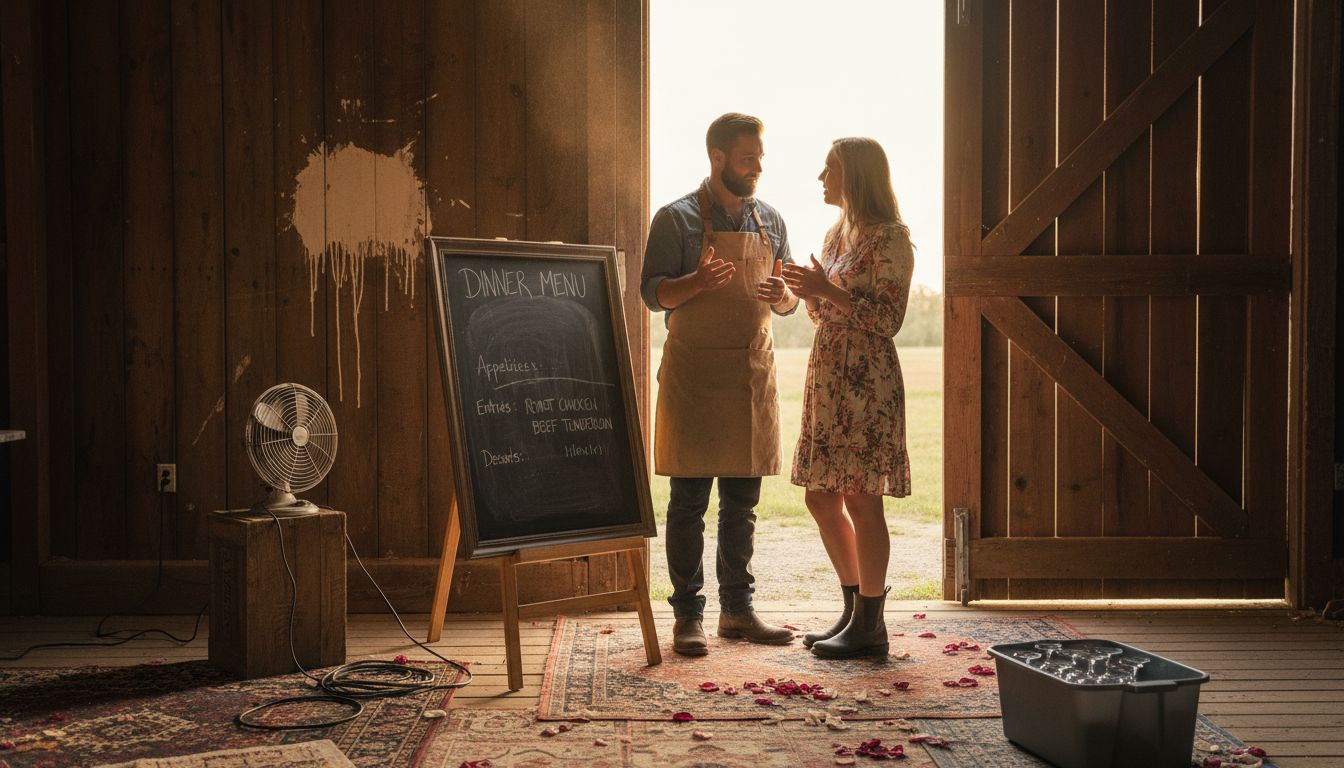
Barn venues present unique challenges that require vendors to be adaptable and creative. Considerations such as climate control, electrical limitations, and natural lighting become critical factors in vendor planning. For instance, catering teams must often work with more limited kitchen facilities, while photographers must strategically navigate potentially challenging lighting conditions.
Each vendor brings specialized expertise to overcome barn venue complexities. Successful coordination requires extensive communication, advanced site visits, and flexible planning strategies. Couples should expect vendors to provide detailed plans addressing potential rustic venue-specific challenges, from sound equipment setup to meal service logistics.
Pro tip: Request a pre-wedding venue walkthrough with all key vendors to identify and proactively address potential logistical challenges specific to your barn wedding setting.
Family, Friends, and Volunteer Roles Explained
Wedding celebrations are deeply personal experiences that extend far beyond professional vendors, involving cherished family members and close friends who play critical supporting roles. These volunteers become the behind-the-scenes champions who help transform wedding dreams into reality, contributing both emotional support and practical assistance.
Traditional wedding roles encompass a variety of responsibilities that help couples navigate their special day. Key volunteer and family roles typically include:
- Bridesmaids: Provide emotional support, assist with wedding preparations
- Groomsmen: Help coordinate bachelor events, manage wedding day logistics
- Parents: Offer guidance, potential financial support, and emotional anchoring
- Siblings: Assist with personal details, provide moral support
- Close Friends: Help with pre-wedding errands, setup, and day-of coordination
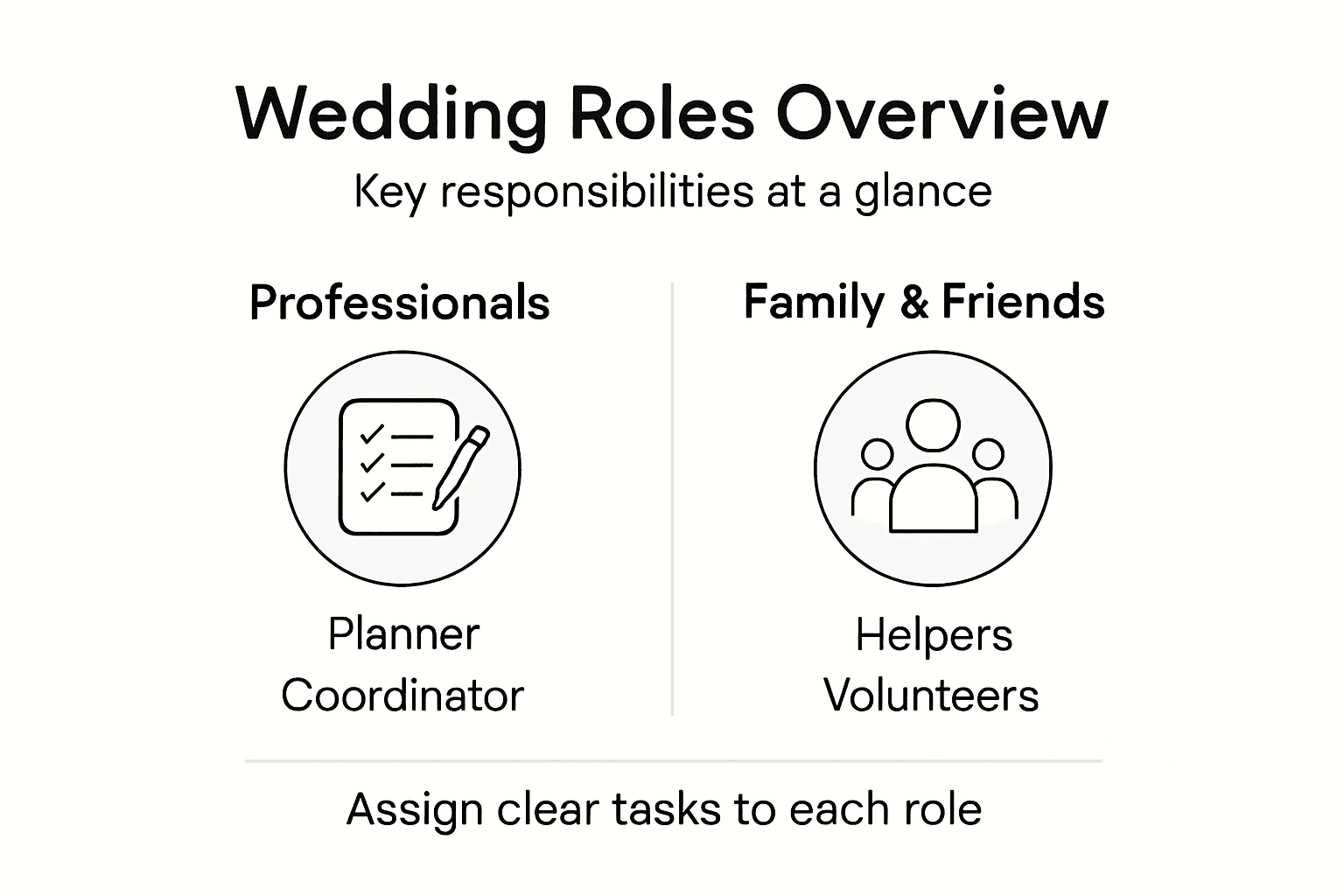
Practical wedding support strategies reveal that delegating specific tasks can significantly reduce couple stress while making loved ones feel meaningfully involved. These responsibilities might include transportation coordination, guest reception management, DIY project assistance, and helping with last-minute preparations.
Successful volunteer involvement requires clear communication and realistic expectations. Couples should consider each person's strengths, availability, and comfort level when assigning responsibilities. Some individuals may excel at detailed organizational tasks, while others might be better suited to providing emotional support or handling creative elements.
Pro tip: Create a detailed volunteer task list early in the planning process, matching specific responsibilities to each person's unique skills and availability.
Common Missteps in Delegating Wedding Duties
Delegating wedding responsibilities can quickly become a complex minefield of expectations, emotions, and potential misunderstandings. Without careful planning and clear communication, well-intentioned efforts to involve loved ones can inadvertently create additional stress and tension during an already intense wedding preparation process.
Wedding task delegation strategies reveal several critical errors couples frequently make when assigning responsibilities. The most common missteps include:
- Overloading Individuals: Assigning too many tasks to a single person
- Lack of Clear Communication: Failing to explicitly define expectations
- Ignoring Personal Strengths: Assigning tasks without considering individual skills
- Poor Time Management: Waiting too late to delegate responsibilities
- Micromanaging Volunteers: Creating unnecessary stress by controlling every detail
Effective delegation techniques emphasize the importance of strategic task distribution. Couples often struggle with understanding that delegation is not about offloading work, but about creating meaningful involvement and reducing personal stress. Some volunteers may feel overwhelmed if not given clear guidance, while others might feel underutilized if their potential contributions are not thoughtfully considered.
Successful delegation requires emotional intelligence and strategic planning. Each assigned task should align with the volunteer's skills, availability, and personal comfort level. Transparent communication, realistic expectations, and genuine appreciation can transform potential challenges into opportunities for deeper connection and shared celebration.
Here are common wedding delegation mistakes and how to avoid them:
| Common Misstep | Impact on Event | Recommended Solution |
|---|---|---|
| Task Overload | Volunteer burnout | Divide duties among more people |
| Vague Instructions | Confusion or errors | Offer detailed guidelines |
| Late Assignment | Rushed preparations | Delegate tasks early on |
| Ignoring Strengths | Missed opportunities | Match tasks to skill sets |
Use this table as a checklist to improve team coordination and reduce pre-wedding stress.
Pro tip: Create a detailed task spreadsheet that matches specific responsibilities to individual strengths, and schedule periodic check-ins to ensure everyone feels supported and comfortable with their assigned duties.
Simplify Your Wedding Roles at Origins Ranch for a Stress-Free Celebration
Wedding planning can feel overwhelming when trying to balance every role from vendors to volunteers. This article highlights how identifying and clearly delegating responsibilities like coordinating vendors, managing day-of details, and involving family can ease stress and create harmony on your special day. At Origins Ranch, we understand these pain points and offer a stunning barn venue where experienced professionals and personalized support help you navigate these roles with confidence.

Discover how our unique space in Plant City, FL combined with our veteran owner's event expertise provides the perfect setting to streamline your wedding planning process. Whether you want a full-service experience or just day-of coordination, Origins Ranch ensures your vision comes to life without confusion or overload. Visit Origins Ranch now and take the first step toward a beautifully coordinated celebration tailored just for you. Learn more about how we embrace the art of wedding roles with care at https://originsranch.org.
Frequently Asked Questions
What is the role of a wedding planner?
A wedding planner coordinates the overall logistics of the event, manages vendor communication, and provides support throughout the entire planning process, from conception to the wedding day.
How does a day-of coordinator differ from a wedding planner?
A day-of coordinator focuses exclusively on executing the wedding day plans, ensuring everything runs smoothly, while a wedding planner offers comprehensive support during the entire planning period.
What specific responsibilities do family members typically have during wedding preparations?
Family members can take on various roles, like bridesmaids providing emotional support, parents assisting with logistics and potential financial support, and close friends helping with errands or day-of coordination tasks.
What are common mistakes couples make when delegating wedding tasks to friends and family?
Common mistakes include overloading individuals with too many tasks, lack of clear communication about expectations, ignoring personal strengths when assigning tasks, and waiting too long to delegate responsibilities.