
TL;DR:
- A rustic wedding menu features hearty, comfort-inspired dishes served with refined presentation to suit barn or farm settings.
- Planning the menu includes selecting seasonal, local ingredients, personalized dishes, and appropriate service styles to enhance guest experience.
A rustic wedding menu is defined by ingredient-led, comfort-inspired dishes served with refined presentation that matches the warmth and character of a barn or farm setting. The best rustic wedding menu ideas go far beyond pulled pork and cornbread. They tell a story, honor the season, and make every guest feel genuinely fed and celebrated. At Originsranch, we have seen firsthand how the right food transforms a beautiful venue into an unforgettable experience. Whether you are planning a farm-to-table celebration or a cozy country reception, your menu deserves the same care as your flowers and your vows.
1. What are the most popular rustic wedding menu ideas?
The crowd-pleasers at rustic receptions share one quality: they feel generous. Guests expect food that is hearty, familiar, and beautifully presented. Interactive food stations and social service styles enhance barn and farm wedding conviviality in ways that plated dinners simply cannot match.
The most requested country wedding food ideas include:
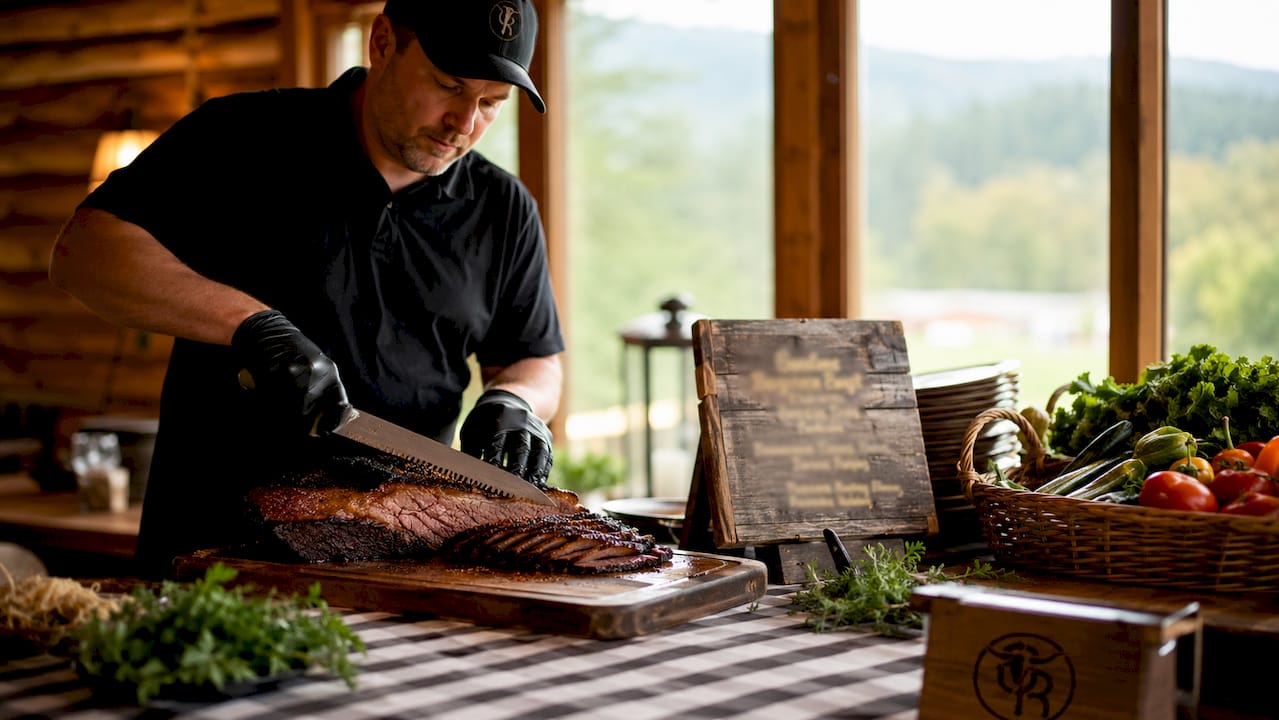
- BBQ meats: Smoked brisket, pulled pork, and rotisserie chicken served at a carving station give guests a sense of abundance.
- Mac and cheese bar: Offered with toppings like crispy bacon, jalapeños, and caramelized onions, this station draws a crowd every time.
- Taco and fajita bars: Warm tortillas, seasoned proteins, and fresh salsas work beautifully for outdoor wedding meal options.
- Potato bar: Loaded baked potatoes or mashed potato cups are filling, easy to eat, and endlessly customizable.
- Seasonal sides: Roasted root vegetables, creamed corn, collard greens, and skillet cornbread anchor the Southern comfort feel.
- Charcuterie and grazing boards: Artisan cheeses, cured meats, pickled vegetables, and local honey set the tone during cocktail hour.
- Rustic appetizers for weddings: Deviled eggs, pimento cheese crostini, and mini biscuit sliders are crowd favorites that photograph beautifully.
The key is balancing heartiness with polish. A smoked brisket carving station feels rustic. Slice it thin, plate it on a wooden board with a chimichurri drizzle, and it becomes wedding-worthy.
Pro Tip: Source your proteins and produce from a local farm or farmers market when possible. Guests notice the difference in flavor, and it gives your caterer a genuine story to tell.
2. How to plan your rustic wedding menu service style for barn and farm venues
Service style shapes the entire guest experience. Matching service style to venue layout enhances guest experience and food quality in ways that a mismatched approach cannot recover from.
Wide farm tables call for family-style service. Large platters of food passed around the table encourage conversation, laughter, and the kind of warmth that defines a country wedding. Guests feel like they are sitting down to a Sunday dinner with people they love.
Buffet and carving stations work well when your timeline is relaxed or your venue has a longer cocktail hour. They give guests freedom to eat at their own pace and return for seconds without feeling awkward. For outdoor wedding meal options where guests mingle standing, stations placed at multiple points around the space prevent bottlenecks and keep energy flowing.
Key service style considerations for rustic venues:
- Family-style platters work best at long farm tables with seated receptions of 80 or more guests.
- Buffet lines suit venues with flexible floor plans and receptions running longer than four hours.
- Carving stations add visual drama and keep hot proteins at proper serving temperature.
- Passed appetizers during cocktail hour keep guests satisfied while the wedding party takes photos.
- Self-serve drink stations with lemonade, sweet tea, or a signature cocktail reduce staff needs and add charm.
The service style you choose also affects your staffing budget. Family-style requires more servers. Buffet and station formats need fewer hands but demand careful layout planning to avoid crowding.
3. Tips for creating a personalized and meaningful rustic reception menu
The most memorable rustic menus incorporate dishes significant to the couple's story, such as hometown specialties or first date favorites, creating a unique culinary experience that guests talk about long after the night ends.
Start by asking yourselves two questions. What food means something to us? And what ingredients are at their peak in our wedding month? A couple who met at a Louisiana crawfish boil can honor that memory with a crawfish étouffée station. A couple from the Pacific Northwest might feature wild salmon with a cedar plank presentation.
Seasonal ingredients do double duty. They taste better and cost less when sourced locally. A september wedding in Florida lends itself to citrus-glazed proteins, roasted sweet potatoes, and fresh herb salads. A spring wedding might feature asparagus, strawberries, and light lemon-dressed greens.
Dessert is where personalization shines brightest:
- Pie bar: A family pie bar with seasonal flavors like peach, blueberry, and pecan is a beloved alternative to traditional wedding cake.
- Donut wall: Glazed and decorated donuts on a wooden peg board photograph beautifully and delight guests of all ages.
- Cobbler station: Warm fruit cobbler with vanilla ice cream is pure Southern comfort and always draws a line.
- Signature cocktail: Name a drink after your pet, your first date location, or an inside joke. Guests love the story behind it.
Pro Tip: Always include at least one vegetarian entrée, one gluten-free option, and one dairy-free dessert. Label each dish clearly at the station. Guests with dietary needs should never have to ask.
4. What practical challenges and solutions exist when catering rustic weddings?
Rustic barn venues present real logistical challenges that couples often underestimate. Many barn venues have minimal kitchen facilities, requiring caterers to bring portable equipment like Cambro hot boxes and chafing dishes to maintain food safety and quality throughout the event.
The most common challenges and their solutions:
- Limited kitchen access. Hire a caterer with full mobile kitchen capability. Ask specifically whether they bring their own heat sources, refrigeration, and prep surfaces. A caterer who relies on a venue kitchen at a barn venue is a red flag.
- Food temperature outdoors. Florida heat and summer weddings demand insulated transport equipment and covered chafing stations. Cold dishes need ice beds or refrigerated display units. Never assume the venue handles this.
- Standing and mingling guests. Avoid foods requiring steak knives when guests stand or mingle outside. One-hand foods like sliders, skewers, and crostini reduce spills and keep guests comfortable.
- Long cocktail hours. Longer cocktail hour timelines require substantial appetizers to keep guests satisfied while photos are taken. Plan for at least three to four passed bites per guest during this window.
- Waste and over-ordering. A buffet barbecue menu for 120 guests can be executed at roughly $52 per person with smart planning. That figure covers proteins, sides, and service without sacrificing quality.
Pro Tip: Ask your caterer for a site visit before signing a contract. A good caterer will assess the venue's power supply, water access, and layout before committing to a menu. If they skip this step, find someone else.
5. How to choose seasonal and local ingredients for your country wedding menu
Seasonal sourcing is the single biggest upgrade you can make to a country wedding menu. Rustic catering is elevated by prioritizing seasonal, locally sourced ingredients prepared with professional culinary care, and it is never an excuse to lower standards.
Local produce tastes better because it travels less distance from farm to table. Strawberries picked two days before your wedding taste nothing like strawberries shipped across the country. That difference shows up on the plate and in the memory your guests carry home.
Work with your caterer to build a seasonal wedding menu around what is genuinely available in your region during your wedding month. In Florida, citrus peaks in winter, tomatoes shine in spring, and watermelon anchors summer spreads. A caterer familiar with local farms will know exactly what to feature and what to avoid.
For a deeper look at how vintage wedding catering concepts are shaping elevated rustic menus in 2026, hospitality catering trends point toward hyper-local sourcing paired with classic comfort food techniques. Think slow-smoked proteins, house-made pickles, and heirloom vegetable sides. These choices feel both timeless and current.
Pair your food sourcing story with simple menu card descriptions at each station. A small card that reads "Peach cobbler made with Georgia peaches from Hendrix Family Farm" adds meaning without adding cost.
Key takeaways
A rustic wedding menu succeeds when seasonal ingredients, thoughtful service style, and personal storytelling work together to create a meal that feels both warm and refined.
| Point | Details |
|---|---|
| Lead with seasonal ingredients | Local, in-season produce improves flavor and reduces per-person food costs. |
| Match service style to venue | Family-style suits long farm tables; buffet and stations work for relaxed outdoor timelines. |
| Plan for cocktail hour | Provide substantial passed appetizers to keep guests satisfied during longer photo sessions. |
| Hire a self-sufficient caterer | Confirm your caterer brings portable equipment for venues with limited kitchen facilities. |
| Personalize at least one dish | A menu item tied to your story creates an emotional connection guests remember. |
What we have learned about rustic menus at Originsranch
Rustic catering deserves the same respect as any formal wedding menu. That is the belief we hold at Originsranch, and it shapes every conversation we have with couples planning their day here in Plant City.
The couples who end up with the most memorable meals are the ones who resist the urge to treat "rustic" as a budget shortcut. They choose a caterer who takes the venue seriously, sources ingredients with intention, and designs a service style that fits how guests will actually move through the space. Personalizing your barn wedding through food is one of the most powerful tools you have, and it costs nothing extra to be thoughtful about it.
We have watched guests linger at a mac and cheese bar for twenty minutes, laughing and loading up their bowls, in a way that never happens at a plated dinner. That interaction is the point. Food at a rustic wedding should feel like an invitation to slow down, connect, and celebrate together.
The practical side matters just as much. We always encourage couples to walk their caterer through the venue before finalizing any menu. A caterer who has seen the space, tested the power outlets, and mapped the station layout will deliver a far better result than one who shows up on the wedding day with surprises. At Originsranch, our team is happy to facilitate those walkthroughs because we know how much the details matter.
— Origins
Originsranch: where your rustic wedding vision comes to life
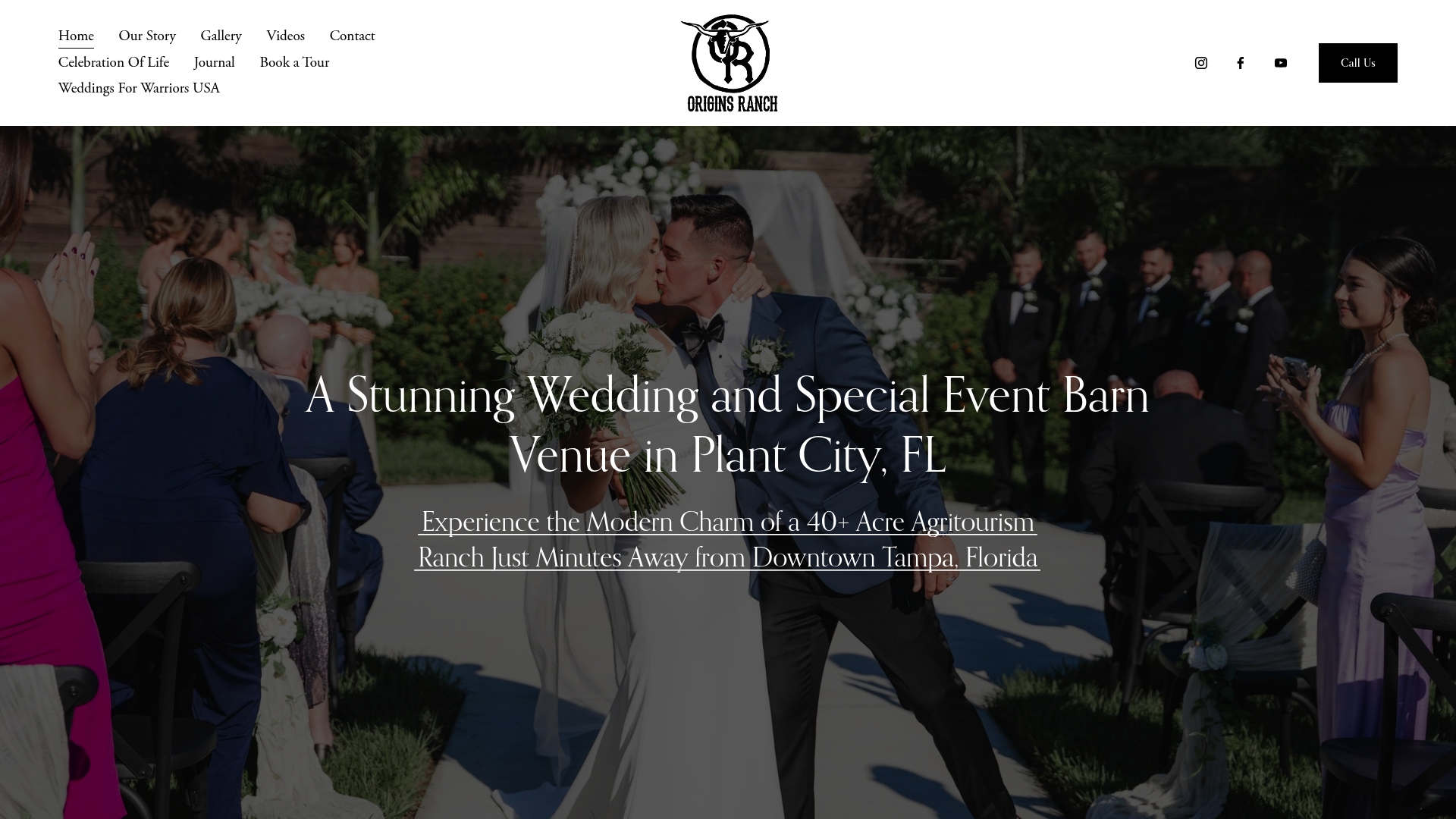
At Originsranch, our barn venue in Plant City, FL was built for exactly this kind of celebration. From wide-open spaces perfect for family-style dining to a setting that makes every seasonal dish feel right at home, we have the character and the charm to match any country wedding food vision you bring us.
We work with trusted catering partners who know how to execute rustic menus beautifully, from carving stations to pie bars, without missing a beat on food safety or presentation. Browse our reception gallery to see how other couples have brought their food and venue vision together at Originsranch. Ready to start planning? Reach out to our team and let us help you build a day that feels like home.
FAQ
What foods are most popular for a rustic wedding buffet?
BBQ meats, mac and cheese bars, potato bars, and seasonal vegetable sides are the most requested items at rustic wedding buffets. Interactive stations like taco bars and carving stations add a social element that guests love.
How much does a rustic wedding buffet cost per person?
A buffet barbecue menu for a barn wedding can be executed at roughly $52 per person for 120 guests with smart planning. Costs vary by region, caterer, and menu complexity.
What service style works best for barn wedding receptions?
Family-style service suits long farm tables and encourages guest interaction, while buffet and station formats work well for relaxed timelines and outdoor settings. The right choice depends on your venue layout and guest count.
How do I handle dietary restrictions at a rustic wedding?
Include at least one vegetarian entrée, one gluten-free option, and one dairy-free dessert, and label each dish clearly at the station. Clear labeling removes the burden from guests with dietary needs.
What appetizers work best during a long cocktail hour at a rustic wedding?
Substantial passed bites like pimento cheese crostini, deviled eggs, and mini biscuit sliders keep guests satisfied during extended cocktail hours. Plan for at least three to four passed appetizers per guest during this window.