
A rustic wedding table reads elegant when it gets three things right: natural textured foundations, layered warm lighting, and centerpieces low enough to protect your guests' sight lines across the table. Everything else, from mason jars to mismatched china, is a style choice built on top of that base. Pick one centerpiece direction, source your materials, and the rest of the tablescape falls into place.
TL;DR:
- Choosing low, layered centerpieces and maintaining sight lines ensures guests can comfortably see each other across rustic tables.
- DIY centerpieces can be made for as little as $2 to $13 per table, significantly less than professional arrangements, which cost $50 to $150.
- Thrift stores are ideal for sourcing mismatched glassware and containers, helping create a collected, budget-friendly look.
- Proper lighting using votives, hurricane candles, and flameless options is essential for warmth and fire safety in barn or tent venues.
- Keep table settings simple with contrasting textures and limited natural elements to achieve an elegant rustic appearance while avoiding clutter.
Table of Contents
- Ten Rustic Table Setting Ideas to Start Your Design
- Six DIY Centerpiece Builds With Real Costs and Timing
- Tables, Chargers, and Place Settings That Read Elegant
- Where to Source Materials Without Overspending
- Lighting and Candle Safety for Barn and Tent Venues
- Setup Timeline and Transport Logistics for Multiple Tables
- Bringing Natural Elements and the Seasons Into Your Tables
- Matching Your Table Settings to the Rest of the Wedding
- Coordinating Table Numbers and Seating Cards With Your Decor
- What Real Rustic Receptions Get Right
- Our Take: Why Restraint Beats More Decor Every Time
- Bring Your Table Vision to Life at Origins Ranch
- Sources
- FAQ
Ten Rustic Table Setting Ideas to Start Your Design
Rustic elegance comes from balancing raw materials, reclaimed wood, linen, against something polished, like glassware or candlelight, and it shows in how each idea below pairs a rough texture with a refined touch, according to American Rustics.
- Mason-jar wildflowers with twine. Wrap plain jars in jute twine and cluster three per table. Works on long farm tables where repetition down the runner reads intentional.
- Greenery garland runner with mixed votives. Lay a loose eucalyptus or ivy garland down the center and tuck votives into the greenery. Ideal for long tables using the garland method.
- Amber glass clusters and taper candles. Group vintage amber bottles at varying heights with slim tapers between them. Suits round tables where a central cluster keeps conversation open.
- Wood-slice chargers with succulents. Set a small succulent on each wood-slice charger as a favor-slash-decor combo. Works for either table shape, but shines on rounds as a low centerpiece.
- Lantern clusters for evening barn receptions. Group three lanterns of different heights per table for after-dark warmth. Best on long tables spaced every four to five feet.
- Book-stack vignette with vintage accents. Stack two or three weathered hardcovers and top with a small vase or candle. A quiet, low-cost option for round tables.
- Wine-bottle taper candelabra. Fit tapers into emptied wine bottles for an instant candelabra look. Works beautifully down the spine of a long table.
- Burlap-and-lace table runner. Layer a strip of lace over burlap for soft contrast against raw wood. Fits either table shape, but especially long farm tables with visible grain.
- Minimal linen with a single olive branch. One sprig laid diagonally across a folded napkin, nothing else. A restrained choice for round tables that keeps focus on the food and company.
- Mixed vintage glassware. Collect non-matching goblets and tumblers from thrift stores for a collected-over-time look. Works on any table shape and pairs well with mismatched china.
Six DIY Centerpiece Builds With Real Costs and Timing
DIY centerpieces typically run $2 to $23 per table depending on the project, compared with $50 to $150 per table when a florist arranges the pieces for you. That gap is the entire argument for building your own: a reception with many tables could save a substantial amount by choosing the right build.
- Floating candle elegance. Beginner skill level, about $2.38 per table, five minutes to assemble each one. Fill a wide glass bowl with water, float two or three candles, done.
- Greenery garland runner. Beginner level, roughly $7.20 per table, 15 minutes per table to lay and tuck votives into the greenery.
- Painted mason jar trio. Beginner level, about $12.97 per table, 30 minutes plus drying time for the paint to cure fully.
- Book stack centerpiece. Beginner level, $2.75 to $9.75 per table depending on how many vintage books you source secondhand, 10 minutes to stage.
- Wine-bottle candelabra. Intermediate skill, $3.75 to $5.45 per table, about 25 minutes to clean labels off bottles and fit tapers.
- Succulent planter box. Intermediate skill, roughly $19.45 per table, 20 minutes per box including soil and plant placement.
| Build | Skill level | Time per table | Cost per table |
|---|---|---|---|
| Floating candles | Beginner | 5 min | $2.38 |
| Greenery garland runner | Beginner | 15 min | $7.20 |
| Painted mason jars | Beginner | 30 min + drying | $12.97 |
| Book stack | Beginner | 10 min | $2.75–$9.75 |
| Wine-bottle candelabra | Intermediate | 25 min | $3.75–$5.45 |
| Succulent planter box | Intermediate | 20 min | $19.45 |
Pro Tip: Pack painted or spray-finished pieces in padded crates only after they've cured completely. Wet paint transferring onto linens is one of the most common last-minute disasters brides run into on assembly day.
Tables, Chargers, and Place Settings That Read Elegant
The foundation matters more than the centerpiece sitting on top of it. Long farm tables with visible grain can go bare with just a runner down the middle, while round tables usually need at least a partial linen to anchor the setting visually. A guide from Cooling Castle Barn recommends the garland method for long tables and the cluster method for round ones, both aimed at keeping the middle of the table from blocking sight lines.
- Show bare wood on long tables when the grain itself is a feature; add a runner once you want color or texture layered in.
- Wood-slice or woven chargers pair naturally with mismatched china, since the imperfection in each is already part of the look.
- Fold napkins simply and tuck a small herb sprig, rosemary or lavender work well, under the tie as a place-card accent.
- Leave at least 24 inches per guest so elbows and centerpieces don't compete for space.
Where to Source Materials Without Overspending
Thrift stores and vintage markets are the best hunting ground for mismatched china, glassware, and containers that already look collected rather than bought. Big-box craft stores handle the bulk items, twine, floral wire, paint, in volume and at a lower unit cost. Chargers and linens are worth renting rather than buying if you won't reuse them.
- Buy new: candles, floral wire, paint, and anything consumable.
- Rent: chargers, full linens, and glassware if your guest count is large.
- DIY or thrift: containers, books, jars, and anything that benefits from a "collected" look.
Budget-conscious centerpieces built this way commonly run $15 to $30 each using natural materials, saving 60 to 70 percent compared with professional florist arrangements. Lantern clusters are one of the few places worth splurging, since they're reusable well past the wedding and read more expensive than they cost. Store finished pieces in labeled bins by table number so nothing gets crushed in the days before transport.
Lighting and Candle Safety for Barn and Tent Venues
Warm light is what makes a rustic table feel finished after sunset, but it has to be done inside your venue's fire code. Mix votives in enclosed holders, pillar candles set in hurricanes, and flameless LED tapers where an open flame simply isn't allowed.
Candles should sit in non-combustible, stable enclosures, with wicks trimmed to about a quarter inch and greenery or fabric kept clear of any flame, according to facility fire-safety guidance. Some venues cap the number of open flames allowed per table, so confirm that limit before you buy a single votive.

Pro Tip: Walk your safety checklist with the venue coordinator during your final walkthrough, then assign one staff member or volunteer to quietly monitor open flames once the reception starts.
Setup Timeline and Transport Logistics for Multiple Tables
Assembling decor for 15 or 20 tables is a small production line, not a single afternoon project. Build a dedicated assembly station with a hot glue gun, floral wire, labeled boxes, and a marker for quick relabeling as pieces get finished.
- Weeks before: Collect containers, jars, and books from thrift stores as you find them.
- Two to three days before: Paint or spray-finish any pieces that need drying time, working in a ventilated space.
- The day before: Assemble anything reusable, garlands, candelabras, book stacks, and pack them by table number.
- Wedding day: Add fresh florals, light candles, and do a final walk-through table by table.
For larger setups, assign teams by table range, tables 1 through 5, 6 through 10, and so on, with a labeled box and quick spec sheet taped to each one listing materials and candle placement, an approach detailed in this barn wedding decor setup guide. Ask your venue what staging space and climate control they offer before your assembly day. Some barns run hot enough by midafternoon to warp painted finishes or wilt anything floral left sitting too long.
Bringing Natural Elements and the Seasons Into Your Tables
Rustic styling works best when the season is doing some of the work for you. Autumn tables lean into dried wheat, mini pumpkins, and cinnamon-stick bundles tied with twine. Spring and summer favor loose wildflowers, olive branches, and citrus slices tucked between glassware for a fresh, unfussy look. Winter weddings do well with eucalyptus, pinecones, and a single taper burning longer into the evening.
The trick is restraint. A limited earthy palette with consistent vessel styles reads sophisticated, while too many textures piled onto one table reads cluttered fast, a distinction highlighted by Plana Wedding's rustic theme guidance. Pick two or three natural elements per table, repeat them consistently across every table in the room, and let the season set your color story instead of forcing in decor that fights it.

Foraged materials also solve a budget problem quietly. A walk through your own yard or a nearby field often turns up branches, dried grasses, or seed pods that cost nothing and look more collected than anything bought. Just confirm what's safe to bring near an open flame before it lands near a candle.
Matching Your Table Settings to the Rest of the Wedding
Your tablescape should feel like a continuation of your ceremony decor, not a separate design decision made in isolation. If your color palette leans sage and cream, carry that into your linens or ribbon accents rather than introducing a new color at the reception. Couples going for a full barn wedding aesthetic tend to let the wood tones of the tables and chargers do most of the color work, adding just one or two accent colors through flowers or napkins.
Terracotta, sage, and dusty blue are common rustic palette anchors because they read warm under both daylight and string lights. A pop of color, burgundy dahlias, a mustard ribbon, works well as an accent rather than a dominant tone, since rustic settings generally look their best when the neutral base stays visually quiet. If your invitations or signage already carry a specific palette, pull one or two of those same tones into your table runners so the whole event reads as one cohesive plan instead of several separate ideas stitched together.
Texture consistency matters as much as color. Mixing rough linen with polished glassware works because the contrast is intentional. Mixing five different textures without any repetition just looks unplanned.
Coordinating Table Numbers and Seating Cards With Your Decor
Table numbers and seating cards are small details, but they're also the first thing guests interact with when they walk into the reception. A number propped in a mini frame, painted onto a wood slice, or tucked into a small bundle of dried flowers extends the tablescape instead of interrupting it.

For seating cards, herb sprigs tucked into the napkin fold double as both a place marker and a scent detail guests notice as they sit down. Rosemary, lavender, and eucalyptus all hold up well without wilting during a long reception. If you're using a seating chart rather than individual cards, frame it with the same wood or greenery elements used on the tables so the entry display doesn't feel disconnected from the rest of the room.
Keep table numbers legible from a few feet away. A beautifully calligraphed number that guests have to squint at from across the room defeats its own purpose. Simple, bold lettering on a rustic backdrop, a wood round, a piece of slate, does the job better than something overly ornate.
What Real Rustic Receptions Get Right
The most memorable rustic tablescapes tend to share a few habits rather than a single look. Long farm tables set with a single greenery garland and staggered candle heights consistently photograph better than tables crowded with three or four competing centerpiece styles. Styled shoots that lean into wood-slice chargers paired with crisp white china also show up often, because the contrast between rough and refined does most of the visual work without needing much else on the table.
Real weddings tend to simplify further than styled shoots do, and for good reason: a styled shoot has no guests to serve around a centerpiece. Couples who've hosted large barn receptions often mention keeping the centerpiece low and the lighting layered instead, so guests can actually see and talk to each other across a six-foot table. That's the detail styled photography sometimes glosses over. A gorgeous centerpiece that blocks half the table isn't styling, it's an obstacle.
The common thread across successful examples is restraint paired with a strong foundation. Get the table, linens, and lighting right first, then let the smaller details, a napkin fold, a seating card, a sprig of rosemary, do the finishing work.
Our Take: Why Restraint Beats More Decor Every Time
An industry veteran with extensive experience observes that couples who plan too many decor elements almost always end up removing half of them the morning of the wedding. Our checklist and logistics advice above comes directly from watching hundreds of tables get set up under real time pressure in our barn. The couples whose tables photograph best are the ones who trusted three good ideas instead of chasing ten mediocre ones.
— Origins
Bring Your Table Vision to Life at Origins Ranch
Some rustic venues offer fully air-conditioned barns that allow centerpieces and guests to stay comfortable regardless of outdoor heat. That matters more than couples expect once painted mason jars or fresh florals are sitting on a table for six hours straight.
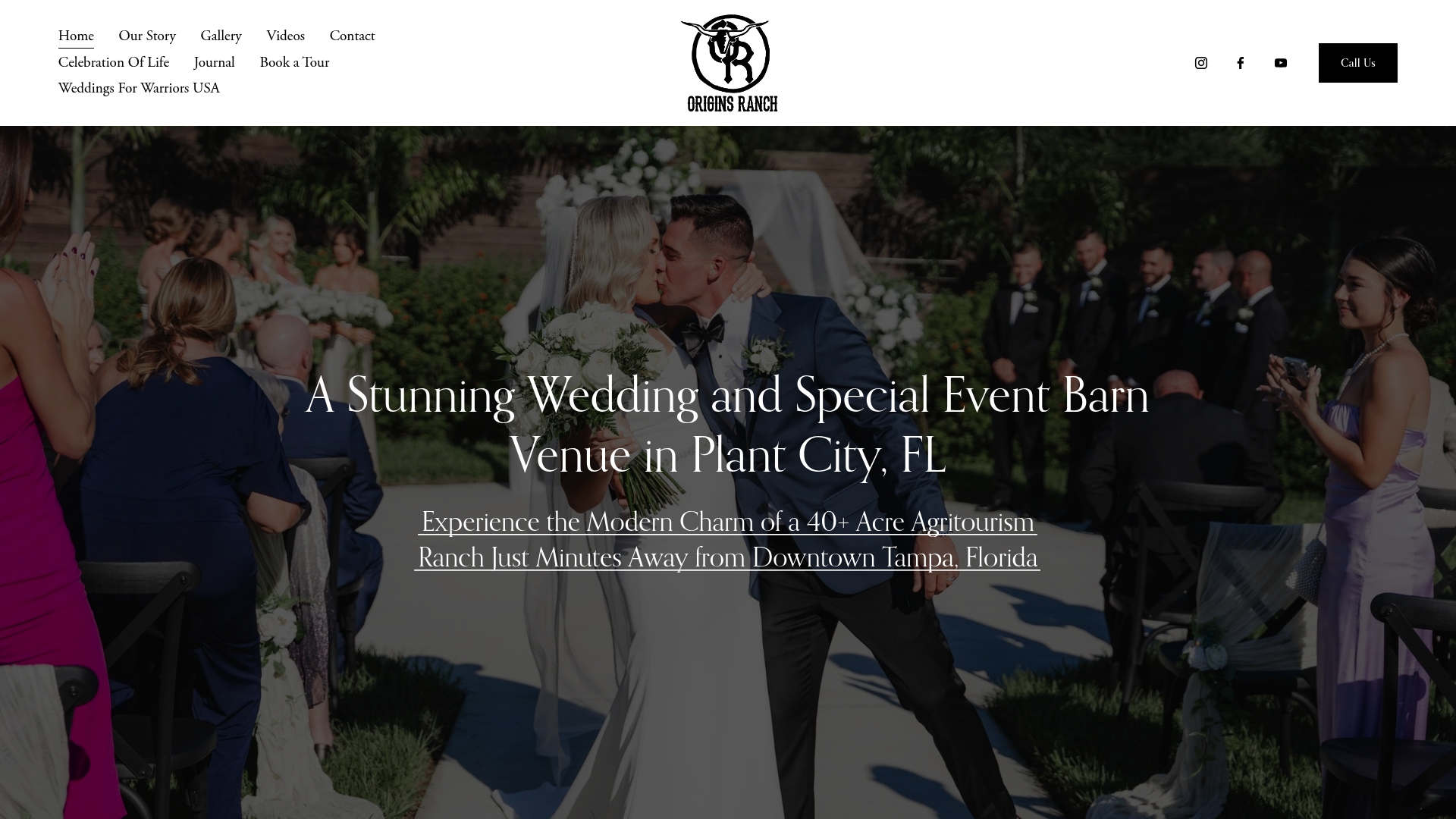
Our team offers venue rental and customizable event packages that support the kind of hands-on styling covered in this guide, from long farm tables to full barn layouts, without forcing you into a rigid template. If you want a full step-by-step approach to styling your reception space before the big day, our guide on how to style a rustic wedding venue walks through the process in more detail. Reach out to check available dates and start talking through your table layout with our team.
Sources
- Americanrustics
- DIY Wedding Centerpieces on a Budget (2026): 6 Priced Tutorials | Pix Wedding
- 8 Rustic Wedding Centerpieces That Wow Guests on a Budget
- Earthy elegance: a complete guide to rustic wedding table settings and centerpieces — Cooling Castle Barn
- Use of candles guidance (facility safety doc) - FIU facilities
FAQ
What are some ideas for rustic wedding table settings?
Mason jars with wildflowers, greenery garland runners, wood-slice chargers, and lantern clusters all work well as starting points. Pick one style and repeat it consistently across every table rather than mixing several different looks in the same room.
What is the proper table setting for a wedding?
A standard wedding place setting includes a charger, dinner plate, folded napkin, flatware set on either side, and a water glass, with wine glasses added if the venue serves table wine. For rustic settings, swap in wood-slice or woven chargers and mismatched china while keeping that same basic layout intact.
How can you make a rustic venue feel more elegant?
Layer warm lighting with candles or string lights, keep centerpieces low enough to preserve conversation, and stick to a limited earthy color palette instead of piling on multiple textures. A barn venue with modern finishes, like the air-conditioned space at Origins Ranch, also helps a rustic setting feel polished rather than rough.
What are some budget-friendly rustic centerpiece ideas?
Floating candles, painted mason jars, and book-stack vignettes all cost roughly $2 to $13 per table to build, according to priced DIY tutorials. That compares with $50 to $150 per table for florist-arranged centerpieces, making DIY builds one of the biggest savings opportunities in a reception budget.