
Hire a lighting designer and a rentals or production partner first, then schedule a paid site visit with a lighting mockup before you book florals or furniture. That single sequence, backed by a scenic fabricator or florist once the light plan is set, will transform an indoor Tampa venue's mood and photography without touching a wall. The right team can do this in weeks, not months, and the result should feel like a different room the moment guests walk in.
TL;DR:
- Prioritize booking a lighting or production partner early to assess structural possibilities and avoid costly rework before purchasing florals or furniture.
- Focus on lighting treatments like pin-spotting and color-wash, which provide dramatic visual change at the highest value, before adding floral or fabric elements.
- Book major fabrication projects at least six months in advance, while rental and floral inventory for peak season should be secured three months ahead to ensure availability.
- Coordinate all vendors through a single point of contact, ensuring site visits, mockups, and detailed plans are completed before installation begins.
- Take a venue walk-through with your lighting and floral teams beforehand to prevent miscommunication and confirm hang-points, sightlines, and power needs.
Table of Contents
- What's the Fastest Way to Transform Indoor Tampa Venue Décor?
- Which Décor Elements Make the Biggest Visual Difference?
- How Far in Advance Should You Book Décor Vendors?
- What Should Happen on Install Day?
- How Does an Indoor Décor Transform Come Together in Practice?
- What Most Planners Get Wrong About Décor Transforms
- How Originsranch Handles Indoor Décor for You
- Where to Learn More About Décor Execution and Vendor Options
- Sources
- FAQ
What's the Fastest Way to Transform Indoor Tampa Venue Décor?
Start with lighting. Every planner we've watched succeed at a fast, dramatic indoor transform put their lighting designer or production partner on the calendar before anyone touched a floral order. Pin-spotting, color-wash, and gobo projection change how a ceiling, a stage, or a plain wall reads in photographs, and they do it without a single nail or bracket touching the venue's structure, according to Artistry Designs Group.
Here's the hiring order that actually works, in practice:
- Lighting or production partner. Book this vendor first. They'll tell you what's structurally possible before you commit to a floral or fabrication concept that the venue's power grid or ceiling can't support.
- Rentals house. Furniture, linens, drapery, and ceiling treatments come next, because they define the room's bones and need to be reserved before peak-season inventory disappears.
- Florist or greenery designer. Bring them in once the light plan exists, so centerpieces and hanging installs get color-matched to the actual lighting, not a guess.
- Scenic fabricator (if needed). Custom backdrops or branded moments get built last in the planning sequence, even though they need the longest lead time to construct.
- On-site coordinator. One person, one phone number, responsible for the whole install-to-teardown sequence.
Request three things from every vendor before signing anything: a site visit, a visual mockup (a render or a photo composite of your actual space), and a written rigging or install plan. Full-service providers like Florida Event Decor typically bundle concept design, fabrication, lighting, and rentals under one proposal, which is worth asking every vendor to match even if they specialize in just one piece.
Ask pointed questions before you hire: Do you carry liability insurance and rigging certification? What are your power and DMX requirements? What's your lead time for custom fabrication, and where does it get stored between now and event day? A coordinated proposal should read like a schedule, not a menu: itemized phases, named staff for install day, and a clear teardown window. If a vendor can't answer rigging or insurance questions specifically, keep looking.
Which Décor Elements Make the Biggest Visual Difference?
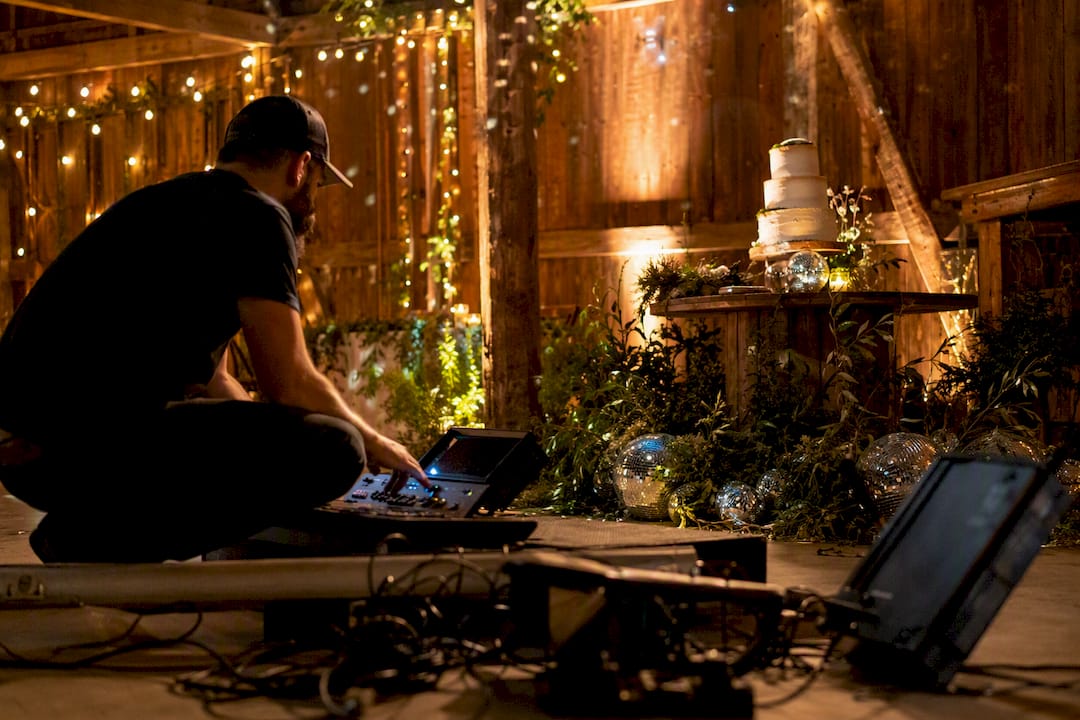
Lighting does more work per dollar than any other decor category. Pin-spotting draws the eye to a single focal point, a cake table or a stage, while color-wash lighting can shift an entire ballroom from daytime beige to evening gold in the time it takes to flip a switch. Gobo projection adds texture or a monogram to a bare wall, and string or market lighting fills in warmth that overhead fixtures usually miss. A Tampa wedding at Hyde House Public Studio paired disco ball clusters with pin lights and layered greenery, an install that reads dramatic in photos while staying inside a tight black-and-white palette, according to Marry Me Tampa Bay.
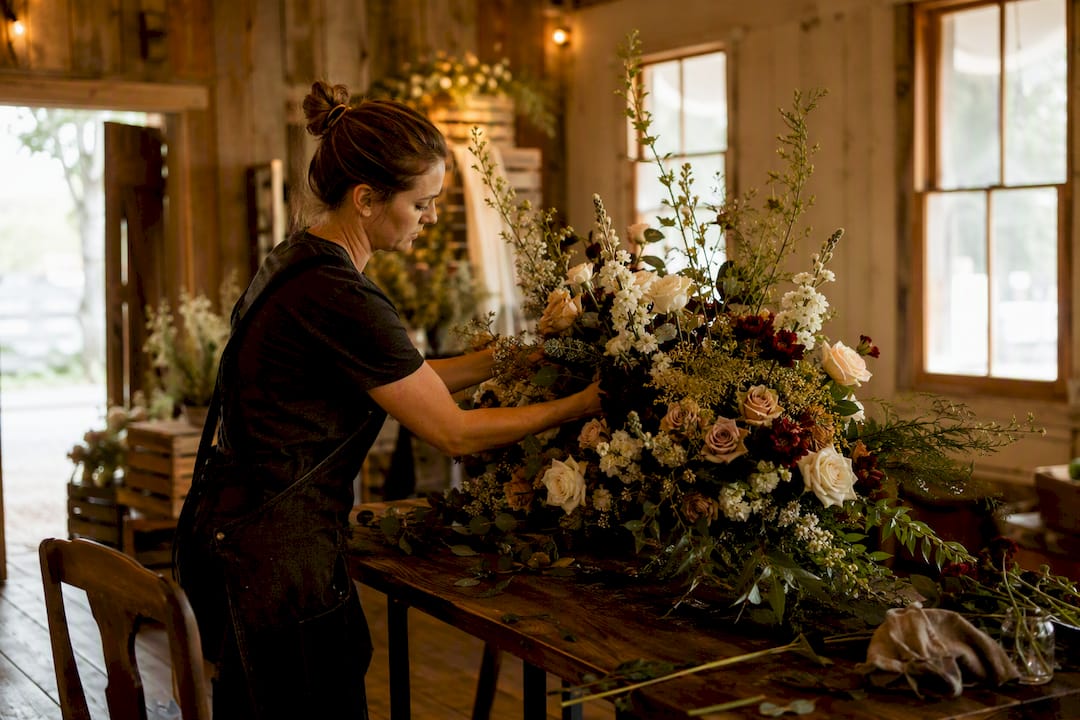
Florals need a different kind of planning. Scale and placement matter more than variety: a single sculptural centerpiece or a long table runner often reads better in photos than a dozen small arrangements scattered across a room. Perishables also come with a logistics clock. Delicate blooms need same-day delivery and cold storage, which limits how early a florist can build.
Draping and ceiling treatments soften a room's proportions and hide the mechanical stuff nobody wants in a photo: sprinkler heads, exposed ductwork, exit signage. Pipe-and-drape rigs are faster to install and cheaper to rent, but sewn drapery hangs with a cleaner, more finished line and holds up better under bright lighting. Furniture and linens set the room's rhythm. Lounge clusters slow guests down and encourage mingling; long banquet tables move a crowd through a meal efficiently. Linen texture and saturated color read stronger in photos than pale, flat fabrics, which tend to wash out under venue lighting.
Custom fabrication earns its cost when you need something the venue genuinely lacks: a branded photo backdrop, a specific archway, a stage element unique to your event. Renting makes more sense for one-off scenic pieces you'll only use once. And whatever you choose, the strongest results come from extending a venue's existing character rather than covering it. Designers advocate accenting a mural, a staircase, or original flooring instead of hiding it behind fabric, a principle borne out in Tampa venue transforms, per Marry Me Tampa Bay.
Pro Tip: Walk the venue with your lighting designer before you order a single stem. A color-wash test on the actual walls will save you from ordering florals in a shade that disappears under the room's real light.
How Far in Advance Should You Book Décor Vendors?
Custom fabrication and major installs need the longest runway: book six months or more if you want a branded backdrop, a built stage element, or anything requiring welding, painting, or a multi-week build schedule. Rentals and florals for peak wedding season, roughly October through May in Tampa, should be locked in at least three months out, since inventory for popular linens and floral varieties disappears fast. Simpler rental packages, tables, chairs, basic linens, can often be booked four to six weeks out if you're flexible on exact colors and styles.
Budget shapes follow the same logic as lead time:
- Small transform: rental-focused with limited or no custom install. Think basic linens, a few lounge pieces, string lighting.
- Mid-size transform: lighting design plus rentals, florals, and a modest fabrication piece, like a single custom backdrop or an arch.
- Large transform: custom fabrication, extensive ceiling or drape installation, and premium floral work across multiple focal points.
Build in a 10 to 20% contingency on top of whatever budget band you land in. Site surprises happen more often than planners expect: a hang-point that isn't where the venue's floor plan said it would be, a floral delivery delayed by weather, a power outlet that doesn't sit where the lighting plan assumed. That cushion covers the gap without forcing a last-minute cut to something guests will actually notice.
A few ways to stretch a budget without shrinking the impact: lean on the venue's existing architecture instead of covering it, ask your florist for greenery-heavy designs that last longer than delicate blooms, and rent one-off scenic pieces rather than commissioning a custom build you'll only use once. Regional rental houses across Tampa Bay typically list ceiling decor, drapery, and lighting packages as standard offerings, which makes rentals a genuinely cost-effective substitute for fabrication in a lot of cases, per On The Move Rentals & Events.
What Should Happen on Install Day?
A smooth install starts well before anyone shows up with a truck. During your site visit, measure ceiling heights, locate every hang-point, inspect the venue's power supply and any load-bearing elements your rigger will need, and confirm the venue's own rules on open flame, adhesive use, and load limits. Skipping this step is the single most common reason installs run late.
On install day itself, sequencing matters:
- Rigging and lighting go first. Everything else depends on where the light plan lands.
- Furniture staging comes next, on a schedule that keeps the space clear for the lighting and drape crews.
- Florals and linens go in last, once the room's bones are set and there's no risk of a forklift or ladder damaging fresh arrangements.
Designate one single point of contact for the entire event, someone who owns the vendor contact tree and has authority to make quick calls if two crews show up at the same loading dock at the same time. Tampa stylists commonly recommend fewer vendors, coordinated through one lead, specifically to avoid the communication gaps that cause install-day chaos.
Rigging and safety aren't optional line items. Confirm every rigger carries current certification, that load calculations are documented for anything hanging overhead, and that the venue's permit and insurance minimums are met before the first truss goes up.
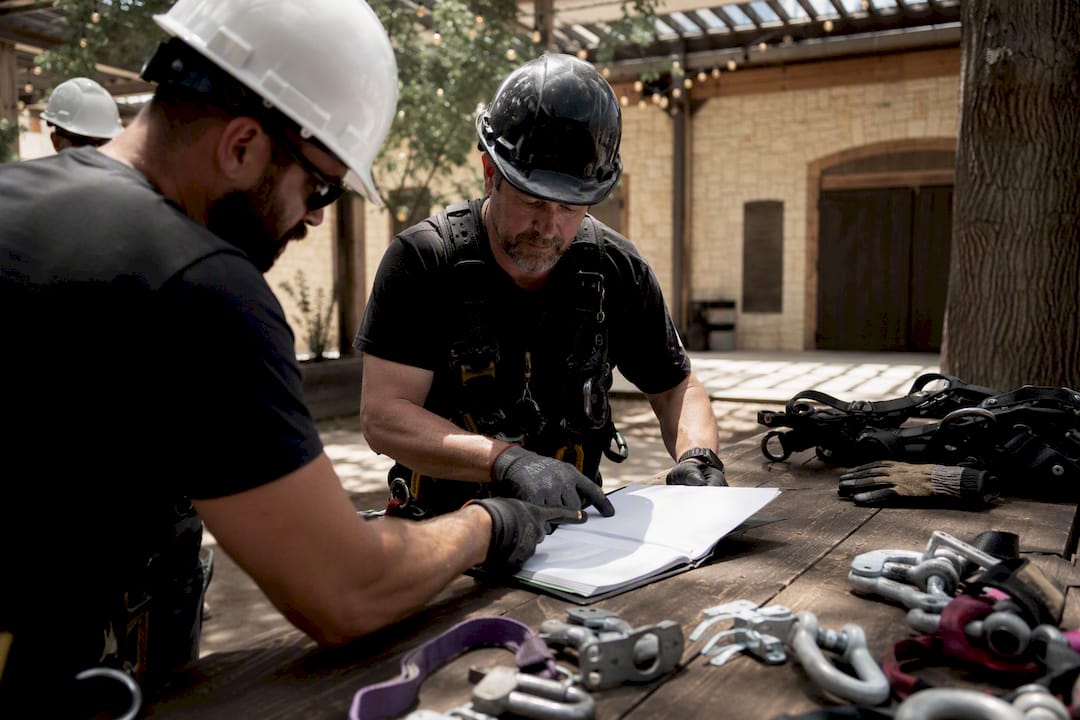
Pro Tip: Bring your florist and lighting designer to the same site visit, together. Seeing hang-points and sightlines in person, with both teams in the room, surfaces problems that photos and floor plans never catch, a practice Artistry Designs Group builds into its planning process.
How Does an Indoor Décor Transform Come Together in Practice?
A representative indoor transform at Origins Ranch shows how the sequence plays out on real event day. The barn's interior, air-conditioned and built out with modern finishes, still carries the character of the original horse ranch: exposed wood, high ceilings, and architectural lines that give a lighting and drape team plenty to work with instead of fighting against. For a recent event, the approach followed the same lighting-first order this article recommends: uplighting and color-wash treatments were set to accent the barn's natural wood tones, string lighting warmed the reception space, and florals were scaled to work with the room's proportions rather than compete with them.
The barn's charm was never something to cover up. Every lighting and floral decision was made to bring out what was already there, the wood, the height, the character, rather than mask it behind fabric.
Single-point coordination made the difference on install day. With one contact managing the vendor schedule, rigging and lighting crews moved through their setup window without waiting on florals, and the floral team arrived to a finished lighting environment instead of guessing at color temperature. Guests walked into a space that felt intentional from the first step inside, not a room mid-assembly.
The practical lesson for planners: decide early which elements are worth custom work and which are better rented, and build your vendor schedule around the venue's own architecture, not against it. For more on how the barn's interior styling comes together, the barn wedding venue transformation guide walks through the layout and rental choices in more depth, and the table settings gallery shows the texture and palette decisions in practice.
What Most Planners Get Wrong About Décor Transforms
The conventional advice, book the florist first and build everything else around the flowers, gets the sequence backward. Flowers fade, wilt, and get color-corrected by whatever lighting sits above them. A stunning arrangement chosen under fluorescent showroom light can look muddy under a warm color-wash, and by the time anyone notices, it's too late to reorder.
What the evidence actually supports is a lighting-first workflow: site visit, lighting mockup, then everything else fitted around that light plan. This isn't a preference. It's the order that avoids expensive rework and gives every other vendor, florist included, a fixed target to design toward instead of a guess.
The other overrated instinct is trying to hide a venue's bones under as much fabric and drapery as possible. Rooms with real architectural character, exposed beams, original flooring, an interesting mural, almost always look more sophisticated when decor accents those features instead of covering them. A barn with visible wood grain doesn't need to look like a hotel ballroom to feel elevated. It needs the right light on the wood.
Prioritize the site visit above everything else. No render, no mockup photo, and no vendor phone call replaces standing in the actual room with your lighting and floral teams present at the same time.
— Origins
How Originsranch Handles Indoor Décor for You
Originsranch already builds the lighting-first, single-point-of-contact approach this article recommends into how it plans events, so you're not stitching together five separate vendor relationships to get a cohesive result. The barn's modern, air-conditioned interior gives you a strong architectural starting point, exposed wood, high ceilings, real character, and our in-house team applies the same coordination principles a full production crew would: a site walkthrough, customizable table settings and decor, and one point of contact managing the sequence from setup to teardown.
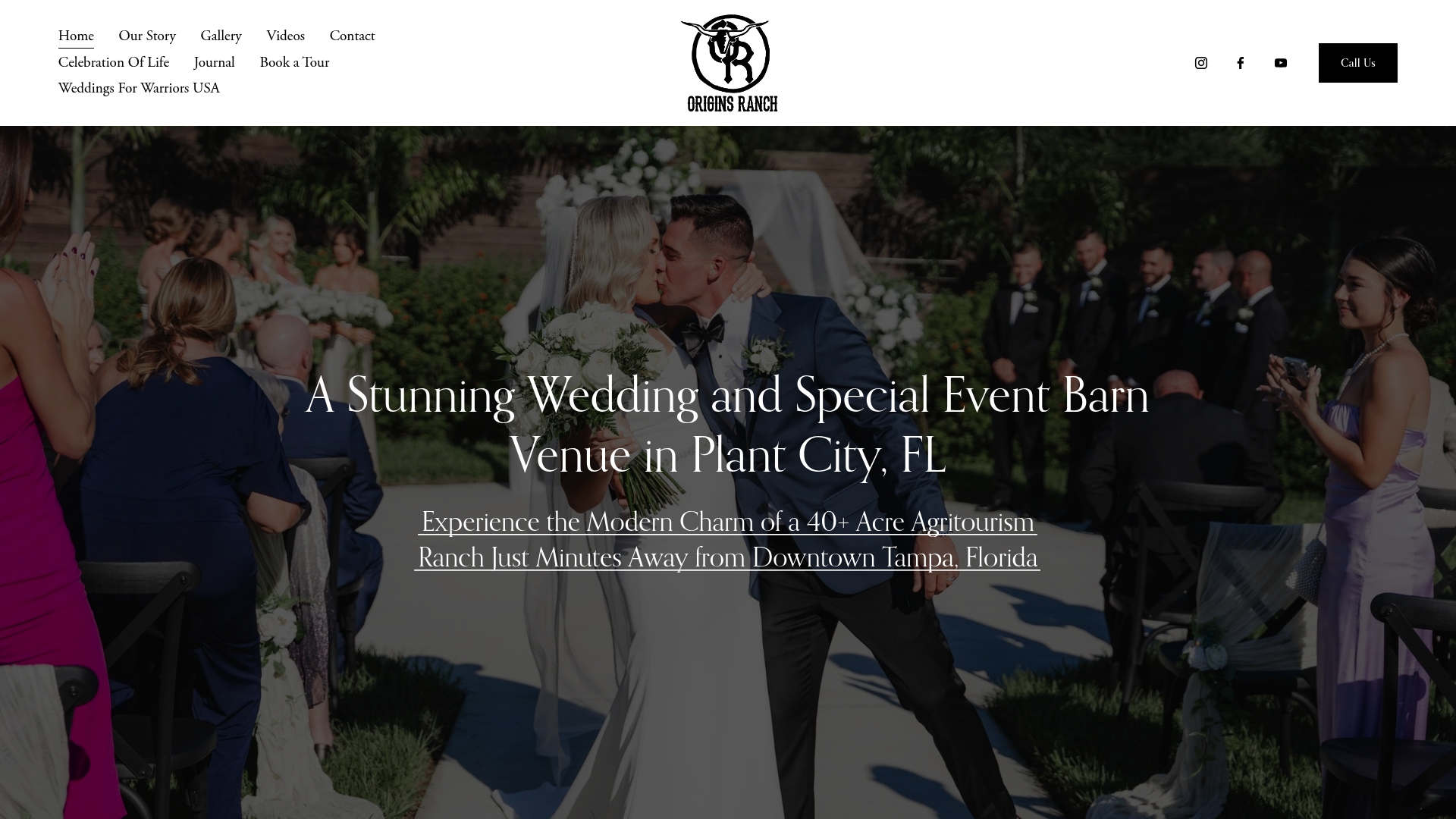
Barry, our founder and a veteran with over 20 years in the event service industry, built Originsranch around personalized attention for every booking, whether it's a wedding, a quinceañera, or a corporate event. Through his charity, Weddings For Warriors, veterans and active-duty service members get dedicated support planning their own celebrations here. If you're hosting a corporate event or special occasion outside a wedding, our other events page outlines the venue rental and styling packages available for that kind of booking.
A site visit is the right next step. Reach out to schedule one, walk the space with our team, and see how the barn's existing character can shape your lighting and decor plan before you commit to a single vendor.
Where to Learn More About Décor Execution and Vendor Options
A few resources are worth bookmarking as you plan. The barn wedding venue transformation guide breaks down coordinated décor, rentals, and layout design in more detail than this article covers. If you're planning a quinceañera specifically, the Tampa quinceañera venue and décor guide covers venue and styling choices suited to that celebration. For indoor wedding styling questions, the Florida indoor weddings style guide pairs comfort considerations with decor planning.
On the vendor side, Every Event offers a useful example of specialized balloon and large-scale install work if your event calls for that kind of statement piece, and On The Move Rentals & Events is a solid reference point for ceiling decor and drapery rental options mentioned earlier in this guide.
FAQ
What Is the 3-5-7 Rule in Decorating?
The 3-5 rule is a design principle for grouping decorative objects, typically vases, candles, or centerpiece elements, in odd-numbered clusters of three or five at varying heights to create visual interest. It applies most directly to tablescapes and vignette styling within a larger event decor plan.
Where Can I Find Event Décor Services in Tampa?
Tampa Bay has several established décor providers, including Florida Event Decor, Artistry Designs Group, Every Event, On The Move Rentals & Events, and Blossom Events, each with different specialties ranging from fabrication to florals to rentals. Originsranch also offers in-house customizable table settings and décor coordination as part of its venue rental packages.
How Do You Transform a Room for an Event?
Start with a lighting plan, since pin-spotting and color-wash treatments change a room's mood faster than any other single element, then layer in rentals, florals, and any custom fabrication around that light plan. Coordinate every vendor through a single point of contact and sequence install day with rigging and lighting first, furniture next, and florals last.
How Much Should I Budget for Indoor Décor Transformation?
Budget shapes vary from small, rental-focused transforms with limited installs to large builds involving custom fabrication and extensive lighting design. Add a 10 to 20% contingency on top of your chosen budget band to cover site surprises like unexpected hang-point locations or delivery delays.
How Far Ahead Should I Book a Décor Vendor?
Custom fabrication and major installs need six months or more of lead time, while rentals and florals for peak season should be booked at least three months out. Simpler rental packages can sometimes be arranged four to six weeks in advance if you're flexible on exact styling.