
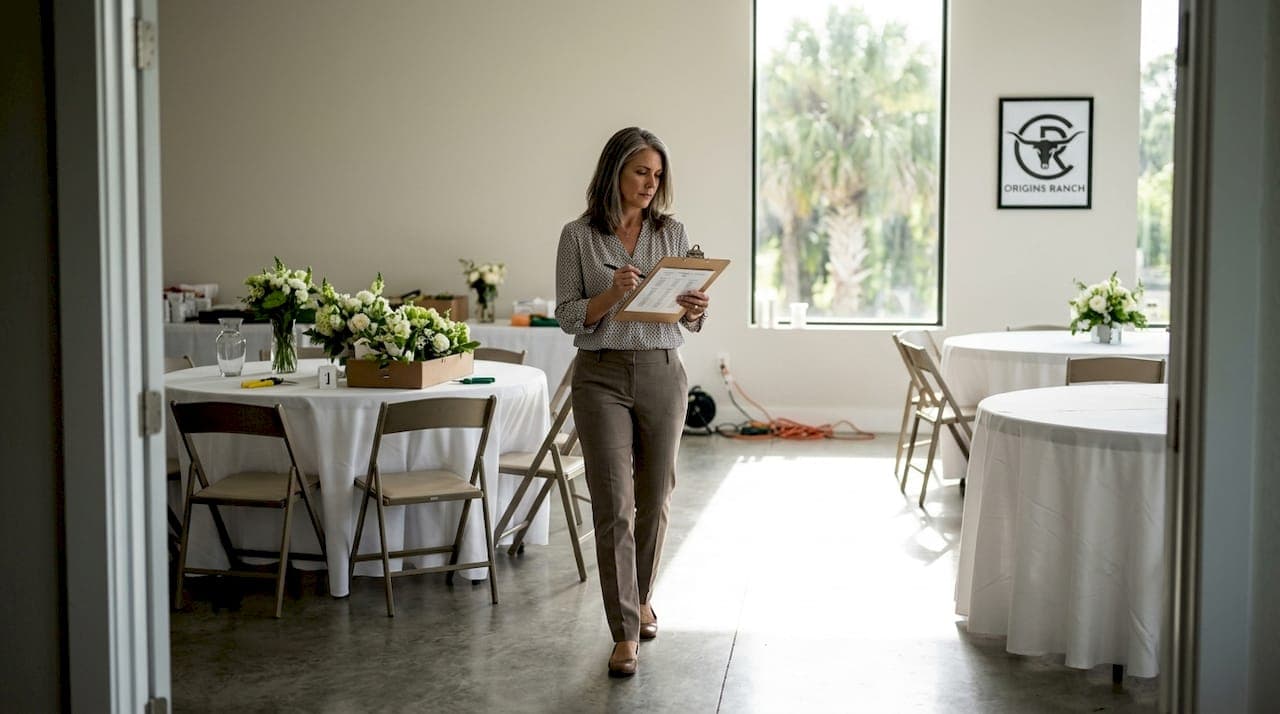
Many event planners and venue owners in Florida misunderstand who handles what when it comes to safety, insurance, and legal compliance at weddings and special events. This confusion creates unnecessary risks and complications during planning. Venue owners carry specific responsibilities that go far beyond providing a beautiful space. They must manage insurance requirements, enforce capacity limits, comply with alcohol service laws, and maintain clear contracts that protect everyone involved. Understanding these roles helps planners coordinate more effectively and ensures safer, smoother celebrations for all parties.
Table of Contents
- Key takeaways
- Core responsibilities of venue owners at weddings and special events
- How contracts define the venue owner's role and protect all parties
- Dram shop and social host compliance: managing alcohol responsibly
- Best practices for venue owners collaborating with event planners in Florida
- Explore Origins Ranch for your event venue needs
- FAQ
Key Takeaways
| Point | Details |
|---|---|
| Insurance requirements | Venue owners must carry general liability insurance with at least 1M per occurrence and 2M aggregate, and liquor liability coverage when alcohol is served. |
| Capacity enforcement | Fire codes and building regulations determine maximum occupancy and contracts should specify these limits and monitor guest counts. |
| Alcohol compliance | Dram shop and social host laws make venue owners liable for intoxicated or underage guests, requiring trained staff and clear intervention protocols. |
| Contracts and force majeure | Well drafted contracts define insurance minimums deposits capacity limits and force majeure terms to prevent disputes during disruptions. |
Core responsibilities of venue owners at weddings and special events
Venue owners shoulder critical legal and safety duties that form the foundation of every successful event. These responsibilities protect guests, staff, and the venue itself from preventable incidents and financial exposure.
Insurance requirements represent the first line of defense. Venue owners must carry general liability insurance with minimum $1M per occurrence and $2M aggregate limits to cover property damage and bodily injury claims. When alcohol flows at celebrations, liquor liability insurance becomes mandatory under Florida law. This coverage protects against claims arising from intoxicated guests who cause harm after leaving the premises.
Capacity management directly impacts safety and liability. Fire codes and building regulations set maximum occupancy numbers based on square footage, exit access, and emergency egress routes. Venue owners who exceed these limits face serious legal consequences and dramatically increase injury risks during emergencies. Smart venue operators build capacity limits into contracts and monitor guest counts throughout events.
Alcohol service creates unique compliance challenges. Florida's dram shop laws hold venue owners liable when they serve alcohol to visibly intoxicated guests or minors who later cause injury. Social host liability extends this responsibility to private events where venue owners control or profit from alcohol service. Proper staff training and intervention protocols are essential safeguards.
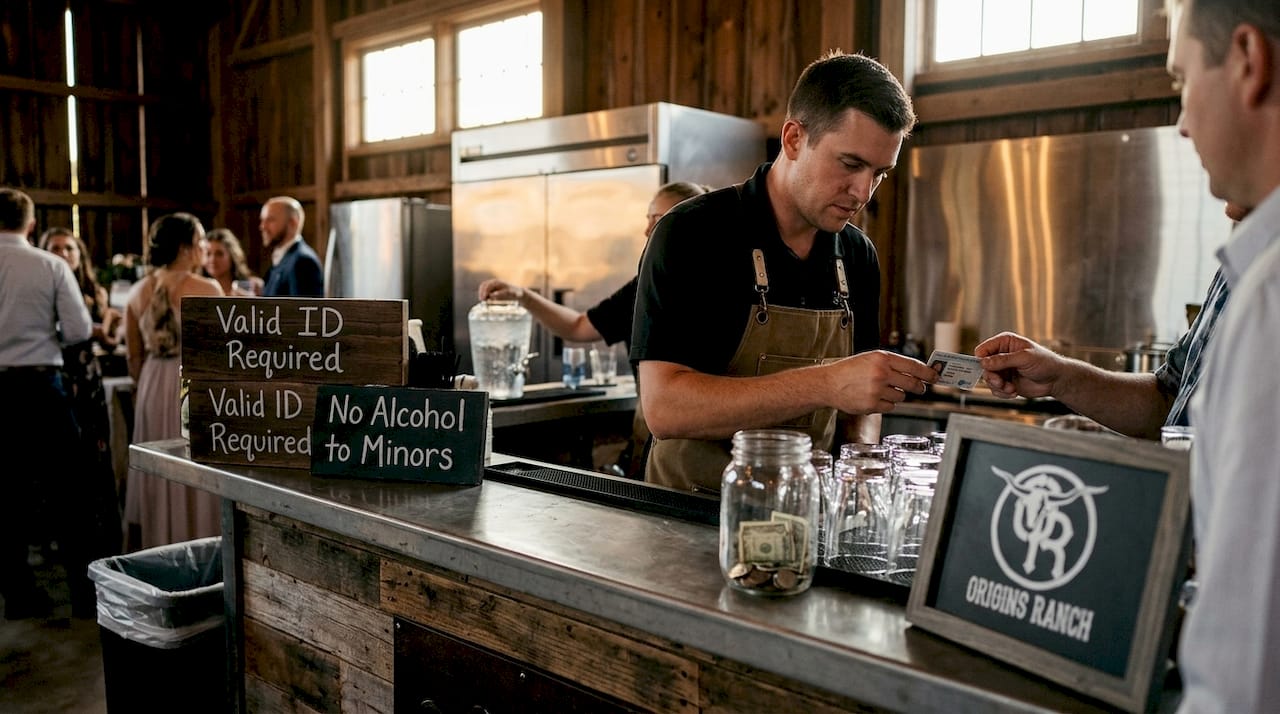
Pro Tip: Review your insurance policies annually with an agent experienced in special event venue coverage to ensure limits keep pace with rising liability awards and changing regulations.
Contract deposits and force majeure clauses provide financial protection when circumstances beyond anyone's control disrupt events. Weather emergencies, public health crises, or government orders can force cancellations. Well-drafted contracts specify how deposits are handled and what constitutes a valid force majeure event, reducing disputes when the unexpected happens.
- Maintain current certificates of insurance accessible for client review
- Document capacity calculations with supporting fire marshal documentation
- Train all staff on alcohol service protocols and intervention techniques
- Update force majeure language to reflect recent Florida case law
- Conduct quarterly safety inspections with licensed professionals
These foundational responsibilities create the framework for safe, legally compliant events. Venue owners who take them seriously build reputations for professionalism that attract quality clients and reduce long-term risks.
How contracts define the venue owner's role and protect all parties
Contracts transform abstract responsibilities into concrete obligations that protect venue owners and clients alike. A well-structured agreement eliminates ambiguity about who handles what and establishes clear boundaries for liability.
Insurance minimums must appear explicitly in every venue contract. Specifying insurance requirements, deposits, capacity limits, and force majeure terms creates enforceable standards that both parties understand before signing. Most Florida venue contracts require clients to carry their own event liability insurance with the venue named as an additional insured. This layered coverage approach distributes risk appropriately.
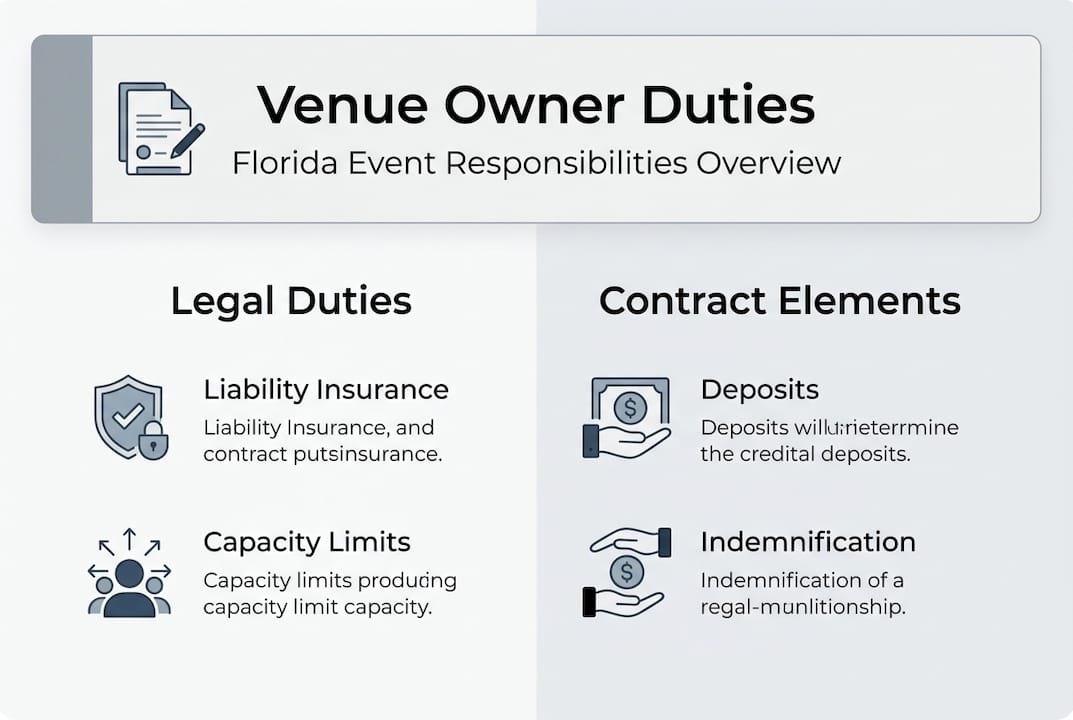
Deposit structures incentivize clients to honor commitments while compensating venue owners for lost opportunities when cancellations occur. Typical arrangements require 25-50% deposits at booking, with the balance due 30-60 days before the event. Refund policies vary based on cancellation timing, with deposits often becoming non-refundable within 90 days of the event date.
Force majeure provisions gained renewed importance after recent disruptions showed how quickly circumstances can change. These clauses outline specific events that excuse performance without penalty, including hurricanes, floods, government shutdown orders, and public health emergencies. Clear force majeure language prevents costly litigation when neither party caused the cancellation.
| Contract element | Purpose | Typical requirement | |---|---| | General liability insurance | Protects against injury and property damage claims | $1M per occurrence minimum | | Liquor liability insurance | Covers alcohol-related incidents | Required when alcohol served | | Security deposit | Ensures venue condition and compliance | 10-25% of total venue fee | | Cancellation policy | Defines refund terms based on timing | Tiered refunds decreasing closer to event | | Force majeure clause | Excuses performance during emergencies | Lists specific qualifying events |
Capacity limits embedded in contracts prevent dangerous overcrowding and establish clear attendance boundaries. When clients exceed agreed capacity, venue owners gain contractual grounds to reduce guest counts or cancel events. This protection is crucial because venue owners bear primary liability for code violations regardless of client actions.
Pro Tip: Work with an attorney experienced in wedding venue contract terms to review your standard agreement annually, incorporating new case law and regulatory changes specific to Florida.
Payment schedules detailed in contracts create predictable cash flow and demonstrate client commitment. Beyond deposits, most agreements specify milestone payments tied to planning stages. Final payments typically come due 7-14 days before events, allowing venue owners to confirm financial obligations are met before dedicating staff and resources.
Indemnification clauses shift liability for client-caused damages or injuries back to the responsible party. These provisions require clients to defend and compensate venue owners for claims arising from client negligence, contractor actions, or guest behavior. Paired with proper insurance requirements, indemnification creates a comprehensive liability shield.
Regular contract reviews keep agreements aligned with evolving legal standards and insurance requirements. Florida law changes, court decisions create new precedents, and insurance markets shift coverage terms. Venue owners who update venue contract terminology every 12-18 months avoid enforceability problems and coverage gaps.
Dram shop and social host compliance: managing alcohol responsibly
Alcohol service at events creates significant legal exposure that venue owners must manage proactively. Florida's regulatory framework holds venue owners accountable for preventing alcohol-related harm through careful service practices and staff training.
Dram shop laws establish liability when venue owners serve alcohol to visibly intoxicated individuals or minors who subsequently cause injury or property damage. Unlike some states with limited dram shop liability, Florida courts have consistently upheld venue owner responsibility in these situations. The financial stakes are substantial, with recent settlements reaching seven figures in cases involving drunk driving accidents after wedding receptions.
Social host liability extends responsibility to private events where venue owners control or profit from alcohol service, even when clients provide the alcohol. This legal principle recognizes that venue owners maintain the premises and have the authority to monitor and control consumption. Courts examine whether venue owners actively supervised service, trained staff appropriately, and intervened when problems arose.
Compliance requires systematic approaches that venue owners can implement through clear procedures:
- Verify all bartenders and servers hold current responsible vendor certifications required under Florida law
- Conduct pre-event briefings reviewing signs of intoxication and intervention protocols
- Establish drink limit policies and tracking systems for high-risk service situations
- Train staff to politely refuse service and offer alternatives like food and non-alcoholic beverages
- Coordinate with clients about transportation options for guests who should not drive
- Document all service refusals and interventions in incident reports
- Maintain security presence capable of managing intoxicated guests professionally
Pro Tip: Create laminated reference cards for bartenders listing specific intoxication indicators and step-by-step intervention procedures, making compliance easier during busy service periods.
Staff training represents the most effective risk management tool venue owners possess. Recognizing overconsumption early allows intervention before guests become dangerously intoxicated. Warning signs include slurred speech, unsteady movement, aggressive behavior, and impaired judgment. Well-trained staff intervene discreetly, offering water, food, and seating while slowing or stopping alcohol service.
"Venue owners who implement comprehensive alcohol management programs, including staff training, service monitoring, and clear refusal protocols, significantly reduce their liability exposure while creating safer environments for all guests. Documentation of these efforts demonstrates reasonable care if claims arise."
Monitoring systems help staff track consumption patterns and identify guests requiring intervention. Some venues use wristband systems color-coded by age, while others employ roving floor managers who observe guest behavior and coordinate with bartenders. Technology solutions now offer RFID-enabled drink tracking that alerts staff when individuals approach concerning consumption levels.
Coordination with clients before events establishes shared expectations about alcohol service. Venue owners should discuss service cutoff times, last call procedures, and transportation arrangements during planning meetings. When clients understand venue policies stem from legal requirements rather than arbitrary rules, cooperation improves dramatically.
The venue's role in event safety extends beyond service cutoff to ensuring intoxicated guests depart safely. This might involve calling rideshare services, coordinating with designated drivers, or in extreme cases, preventing guests from driving. While these interventions can feel uncomfortable, they prevent tragedies and demonstrate the reasonable care courts expect from venue owners.
Best practices for venue owners collaborating with event planners in Florida
Successful events require seamless coordination between venue owners and event planners. Clear communication channels and defined responsibilities prevent misunderstandings that compromise safety and client satisfaction.
Establishing communication protocols at the project's start creates efficiency throughout planning. Designate primary contacts on both sides with authority to make decisions and commit resources. Schedule regular check-ins at key planning milestones rather than relying on ad hoc communication. Use shared project management tools that track tasks, deadlines, and open questions visible to both teams.
Role clarity prevents dangerous gaps where critical tasks fall through cracks. While responsibilities vary by event type and contract terms, understanding typical divisions helps both parties coordinate effectively:
| Responsibility area | Typically venue owner | Typically event planner | Shared responsibility |
|---|---|---|---|
| Venue insurance and permits | ✓ | ||
| Event liability insurance | ✓ | ||
| Capacity monitoring | ✓ | ||
| Vendor coordination | ✓ | ||
| Setup and breakdown | ✓ | Timeline approval | |
| Alcohol service compliance | ✓ | Guest monitoring | |
| Emergency procedures | ✓ | Communication | |
| Client communication | ✓ | Venue-specific issues |
Joint planning meetings bring venue owners and planners together with clients to ensure everyone understands legal requirements, capacity constraints, and safety protocols. These sessions work best when held 60-90 days before events, allowing time to address concerns without last-minute scrambling. Cover insurance certificates, vendor credentials, setup timelines, and emergency procedures in detail.
Pro Tip: Develop a Florida-specific planning checklist addressing hurricane season considerations, heat management protocols, and seasonal pest control that out-of-state planners might overlook.
Contract review sessions prevent misunderstandings about what venue fees cover and what requires additional arrangements. Walk through the agreement together, clarifying ambiguous terms and documenting any negotiated modifications. Ensure planners understand insurance requirements, capacity limits, and prohibited activities before finalizing contracts.
Best practices that improve collaboration include:
- Provide detailed venue specifications including load-in access, power availability, and rigging points
- Share preferred vendor lists with vetted, insured contractors familiar with the venue
- Establish clear approval processes for décor installations and structural modifications
- Create emergency contact lists with backups for key personnel on both teams
- Schedule venue walkthroughs 30 days before events to identify potential issues
- Confirm all vendor insurance certificates at least two weeks in advance
- Conduct day-of coordination meetings reviewing timeline and responsibilities
Insurance confirmation deserves special attention because coverage gaps create enormous liability exposure. Venue owners should require planners to submit certificates of insurance naming the venue as additional insured at least 14 days before events. This timing allows resolution of coverage issues before event day. Verify certificates directly with insurance carriers when dealing with unfamiliar planners or high-value events.
Onsite coordination during events ensures both teams can respond quickly to changing circumstances. Designate a venue representative with authority to make safety decisions and a planner representative managing client-facing issues. Establish communication methods that work in noisy environments, whether radios, text chains, or hand signals.
Selecting the right venue starts with understanding how venue owners and planners will work together. Planners should ask about communication practices, insurance requirements, and coordination procedures during initial venue tours. Venue owners who demonstrate systematic approaches to collaboration signal professionalism that makes planning smoother.
Documentation protects both parties when questions arise about decisions or changes. Confirm significant modifications in writing, even if initially discussed verbally. Maintain shared files with current versions of contracts, insurance certificates, vendor agreements, and floor plans. This organized approach prevents disputes and provides clear records if claims occur.
Robust venue owner practices combined with experienced event planners create optimal conditions for safe, successful celebrations. The investment in clear communication and defined roles pays dividends through reduced stress, fewer surprises, and better outcomes for clients.
Explore Origins Ranch for your event venue needs
Origins Ranch demonstrates how professional venue management creates exceptional experiences while maintaining rigorous safety and compliance standards. Our transformed World Champion Horse Ranch in Plant City combines rustic elegance with modern event infrastructure designed for Florida celebrations.
We understand venue owner responsibilities from decades of event industry experience. Founder Barry's 20-year background as a professional DJ gives him unique insight into what makes events succeed and what creates preventable problems. That expertise shaped every aspect of our venue operations, from comprehensive insurance coverage to detailed contracts that protect everyone involved.
Our commitment extends beyond beautiful spaces to supporting causes that matter. Through Weddings For Warriors USA, we help veterans and active duty service members celebrate dream weddings they might not otherwise afford. This program reflects our values of service and community that inform everything we do.
Explore our venue gallery to see how we blend charming character with elegant functionality. Book a tour to experience Origins Ranch firsthand and discuss how our professional approach to venue management can make your next event both memorable and worry-free. We provide the expertise and attention to detail that transform celebrations into cherished memories.
FAQ
What is the role of a venue owner at weddings?
Venue owners provide the physical space while ensuring safety compliance, managing insurance requirements, and overseeing venue-specific logistics. They coordinate capacity limits, enforce alcohol service regulations, and maintain the property to meet legal standards. Their responsibilities extend beyond hosting to actively protecting guests and managing liability throughout events.
What insurance is required for event venue owners in Florida?
Venue owners must carry general liability insurance with at least $1 million per occurrence and $2 million aggregate coverage. Liquor liability insurance becomes mandatory when alcohol is served at events. These policies protect against injury claims, property damage, and alcohol-related incidents that could otherwise create devastating financial exposure.
How do venue owners comply with dram shop laws in Florida?
Venue owners must train staff to recognize intoxication signs and intervene before guests become dangerously impaired. This includes refusing service to visibly intoxicated individuals, monitoring consumption patterns, and ensuring safe transportation options. Documentation of training programs and intervention incidents demonstrates the reasonable care courts expect when evaluating venue compliance with dram shop requirements.
What are best practices for venue owners working with event planners?
Maintain clear communication channels and define responsibilities explicitly in initial planning meetings. Review contracts jointly to ensure both parties understand insurance requirements, capacity limits, and safety protocols. Use collaborative planning tools and checklists that track compliance tasks and event readiness. Schedule regular check-ins at key milestones rather than waiting for problems to emerge.