
TL;DR:
- Veteran-owned venues are led by individuals who hold at least 51% ownership and actively manage the space, bringing discipline and mission-driven values.
- Choosing such venues supports local communities, offers tailored military ceremony expertise, and provides authentic, handcrafted environments.
- These venues often prioritize guest experience and community impact, making them distinct options for meaningful weddings and events.
When you start searching for the right space for your wedding or special event, the ownership behind a venue rarely comes up in conversation. But it should. A veteran-owned venue is more than a business run by someone who served. It carries a distinct culture, a mission-driven approach, and a level of commitment that shapes every detail of your experience. With over 1.7 million veteran-owned businesses operating across the United States and generating nearly $1 trillion in annual revenue, this is a thriving, significant sector of American enterprise. And within it, veteran-owned event spaces are creating something truly worth knowing about.
Table of Contents
- Key takeaways
- What is a veteran-owned venue, exactly?
- Benefits of choosing a veteran-owned venue
- How to find and evaluate veteran-owned venues
- Challenges and nuances to understand
- My perspective on why these venues matter more than people realize
- Experience the Origins Ranch difference for your next event
- FAQ
Key takeaways
| Point | Details |
|---|---|
| Definition clarity | A veteran-owned venue is one where a veteran holds at least 51% ownership and active management. |
| Distinct leadership culture | Veterans bring discipline and mission-driven values that shape how events are planned and executed. |
| Real community benefit | Booking a veteran-owned venue reinvests money into local communities where veterans live and work. |
| Specialized event support | These venues often have firsthand experience with military ceremonies, protocols, and culturally sensitive hosting. |
| How to find them | Certification directories, veteran business networks, and direct questions about DD214 verification help identify genuine venues. |
What is a veteran-owned venue, exactly?
Understanding what qualifies a venue as veteran-owned starts with ownership. According to federal certification standards, a business must be at least 51% owned, controlled, and operated by one or more veterans to qualify as a Veteran-Owned Small Business (VOSB). That threshold matters because it separates businesses with symbolic veteran ties from those genuinely shaped by a veteran's vision and daily leadership.
Certification often requires documentation like a DD214, which is the military discharge record that confirms a person's service history. Some venues pursue formal VOSB certification through the U.S. Department of Veterans Affairs or third-party certification bodies, while others operate as verified veteran-owned businesses within their communities without federal registration. Both are legitimate, but knowing the difference helps you ask smarter questions when you are evaluating options.
What makes these venues stand out goes beyond paperwork. Veteran entrepreneurs commonly bring resilience, discipline, and a strong sense of public responsibility to how they run their businesses. That shows up in how events are managed, how staff are trained, and how seriously the owner takes every commitment made to a client.
Here is a quick comparison to frame the difference:
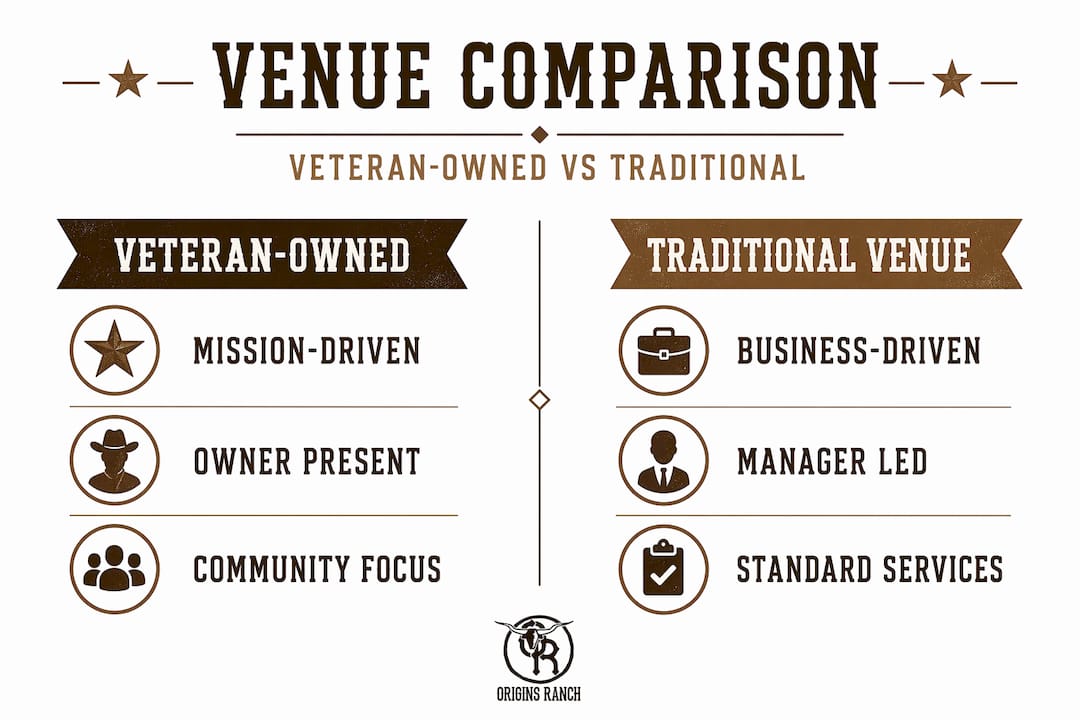
| Feature | Veteran-owned venue | Typical commercial venue |
|---|---|---|
| Ownership culture | Mission-driven, service-oriented | Primarily profit-driven |
| Leadership style | Structured, accountable, hands-on | Varies widely by management |
| Community ties | Often deeply local and reinvestment-focused | May be corporate or franchise-based |
| Event sensitivity | Experienced with military customs and protocols | Rarely specialized in this area |
| Aesthetic | Often custom-built or handcrafted | Frequently standardized or commercial |
Pro Tip: When researching venues, ask the owner directly about their service background and how it influences the way they run events. The answer tells you more than any website description.
You can also explore event venue terminology to get a clearer sense of what different venue types actually offer before you start making calls.
Benefits of choosing a veteran-owned venue
Choosing a veteran-owned event space for your wedding or special occasion goes beyond sentiment. The benefits are practical, emotional, and community-driven in ways that genuinely affect your experience.
Here is what sets these venues apart when it comes to real value:
- Authentic, non-cookie-cutter environments. Many veteran-owned venues are built with hands-on labor, using locally sourced materials and custom, sustainable designs that you simply do not find in large commercial spaces. The character of these venues reflects real craft and intention.
- Mission-driven hospitality. Veterans are trained to complete objectives under pressure. That same discipline translates into event environments where logistics are tight, communication is clear, and your vision is treated like a mission worth accomplishing.
- Community reinvestment. Supporting veteran-owned businesses puts money back into the neighborhoods where veterans live, raise families, and launch their next chapter. Your booking is not just a transaction. It is a contribution.
- Experience with military events. Veteran-owned venues often handle flag ceremonies, military tributes, and accommodations for guests with service-related needs with grace and knowledge that most venues cannot replicate.
- Positive impact on guests. Research shows that 90% of veterans reported that shared event experiences positively affected their overall well-being, and 86% said those experiences strengthened family bonds.
"Veteran-owned venues can provide a soft landing for veterans reconnecting with civilian life by creating supportive spaces that foster connection for military families." — VA News research via Vet Tix study
That last point deserves more attention than it usually gets. If any of your guests are veterans or active duty service members, a venue built by someone who shares that background creates an environment of genuine understanding. It is not forced or performative. It is real.
Pro Tip: If you are planning a wedding and your partner or family has military ties, ask veteran-owned venues specifically about their experience hosting events with military ceremony elements. Not every venue will be equipped, but the ones that are will make that part of your day feel truly honored.
How to find and evaluate veteran-owned venues
Knowing what a veteran-owned venue is and knowing how to find one are two different skills. Here is a practical path forward.
-
Search veteran business directories. Organizations like the National Veteran-Owned Business Association (NaVOBA) and the U.S. Small Business Administration maintain directories of certified veteran-owned businesses. These are reliable starting points for identifying venues in your region.
-
Ask about certification documentation. A genuine veteran-owned venue will have no issue referencing their DD214, VOSB certification, or other verification. If ownership claims are vague or undocumented, that is worth noting.
-
Check local veteran community networks. Veterans' groups, military family Facebook groups, and local VFW chapters often share trusted recommendations for veteran-owned hospitality spaces in the area. Word-of-mouth from within these communities carries real weight.
-
Evaluate the venue's experience with military events. Ask directly: Have you hosted events with flag ceremonies, color guards, or guests with PTSD-related sensitivities? Event planners should inquire about a venue's experience with military ceremonies and protocol to make sure your event runs respectfully and smoothly.
-
Assess amenities with your event in mind. Veteran-owned does not guarantee every amenity you need. Review the space carefully. Understanding why venue amenities matter for your specific event type helps you compare options with confidence.
-
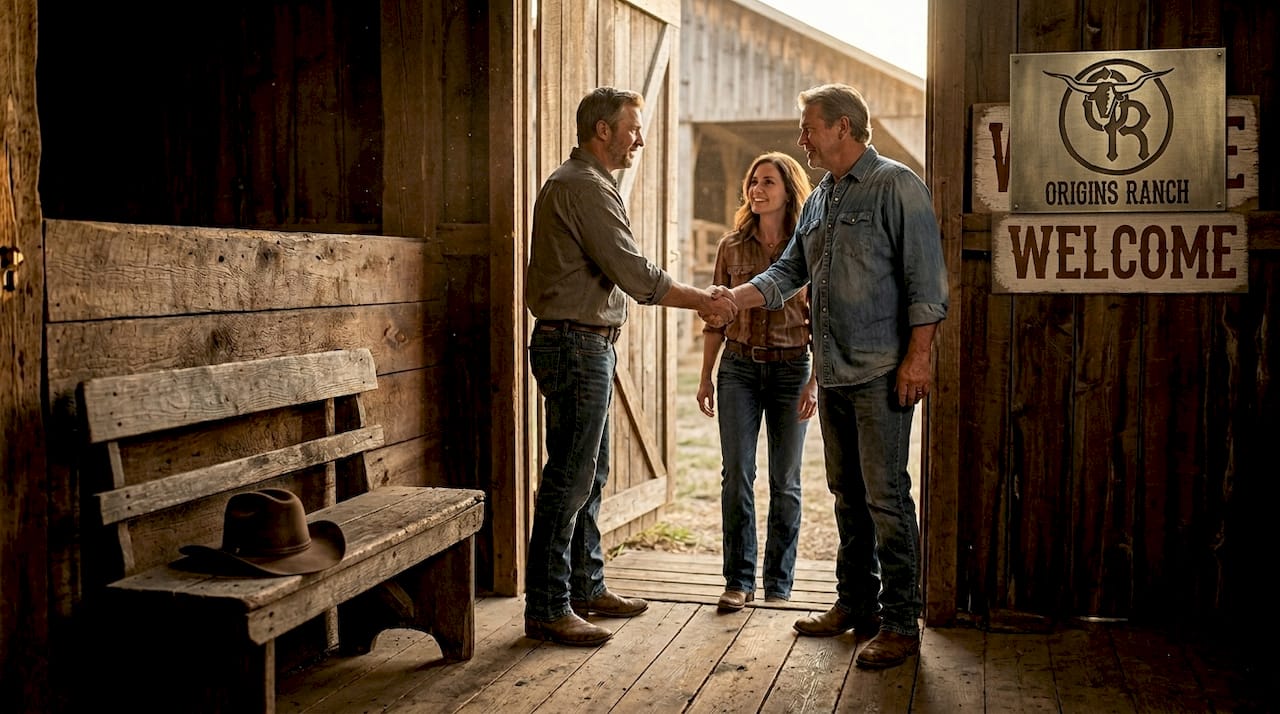
Visit in person before committing. Veteran-owned venues often have a personal, distinctive character that photographs do not fully capture. A walk-through with the owner frequently tells you everything about how they approach service and attention to detail.
Pro Tip: Look for venues where the owner is actively involved in the event process, not just the contract signing. Veteran venue owners who stay hands-on bring a level of accountability that is hard to match.
Learning more about the venue owner's role in your event can also help you understand what to expect from that relationship before you sign anything.
Challenges and nuances to understand
Veteran-owned venues are not a monolith. Before you book, there are some honest realities worth considering so your expectations match the experience.
- Scale and resources may vary. A veteran-owned venue operated by one family will have a different capacity and resource level than a large commercial event center. That is not a weakness. It is a trade-off between personalization and scale, and for many couples, the personal touch wins.
- Funding challenges are real. 37% of veteran entrepreneurs cite access to capital as a significant barrier. That can sometimes mean smaller infrastructure investments compared to corporate competitors, so it is worth asking about what is included and what requires outside vendors.
- Certification visibility is inconsistent. Not every legitimate veteran-owned venue has formal federal certification. Some are verified through state programs or community trust. Do not dismiss a venue simply because they lack a specific badge.
- Avoid overgeneralizing. Veteran ownership shapes culture, but it does not predetermine every detail of the event experience. Evaluate each venue on its own merits, staff quality, logistics, and personal fit.
"Despite challenges, veteran entrepreneurs' resilience often translates into event spaces that prioritize guest experience and community above all else." — D'Aniello Institute for Veterans and Military Families
The strongest veteran-owned venues are ones where ownership is reflected in the culture, not just the marketing. You can usually feel the difference within five minutes of a conversation with the owner.
My perspective on why these venues matter more than people realize
I have spent over 20 years in the event service industry, and I will tell you plainly: the most common mistake event planners make is reducing venue selection to a checklist. Square footage, parking, catering options. Those things matter, but they do not tell you how an owner will respond when something goes sideways at 6 PM on your wedding night.
What I have seen, again and again, is that veteran ownership changes that equation. Veterans are trained to operate under pressure without losing composure. They take commitments seriously because they were formed in an environment where a broken commitment had real consequences. That carries into how a venue is run, how staff treat guests, and how problems get solved before anyone even notices them.
I have also seen how much it means to guests who have served or who have family members who served, when they walk into a space that understands their world. It creates something that no amount of floral arrangements can manufacture. It creates belonging.
The other thing people overlook is community. When you book a veteran-owned venue, you are often supporting someone who built that space from the ground up, who is reinvesting in the area where they raised their family and planted roots after their service. That story is woven into the beams and the land itself. And your event becomes part of it.
— Origins
Experience the Origins Ranch difference for your next event
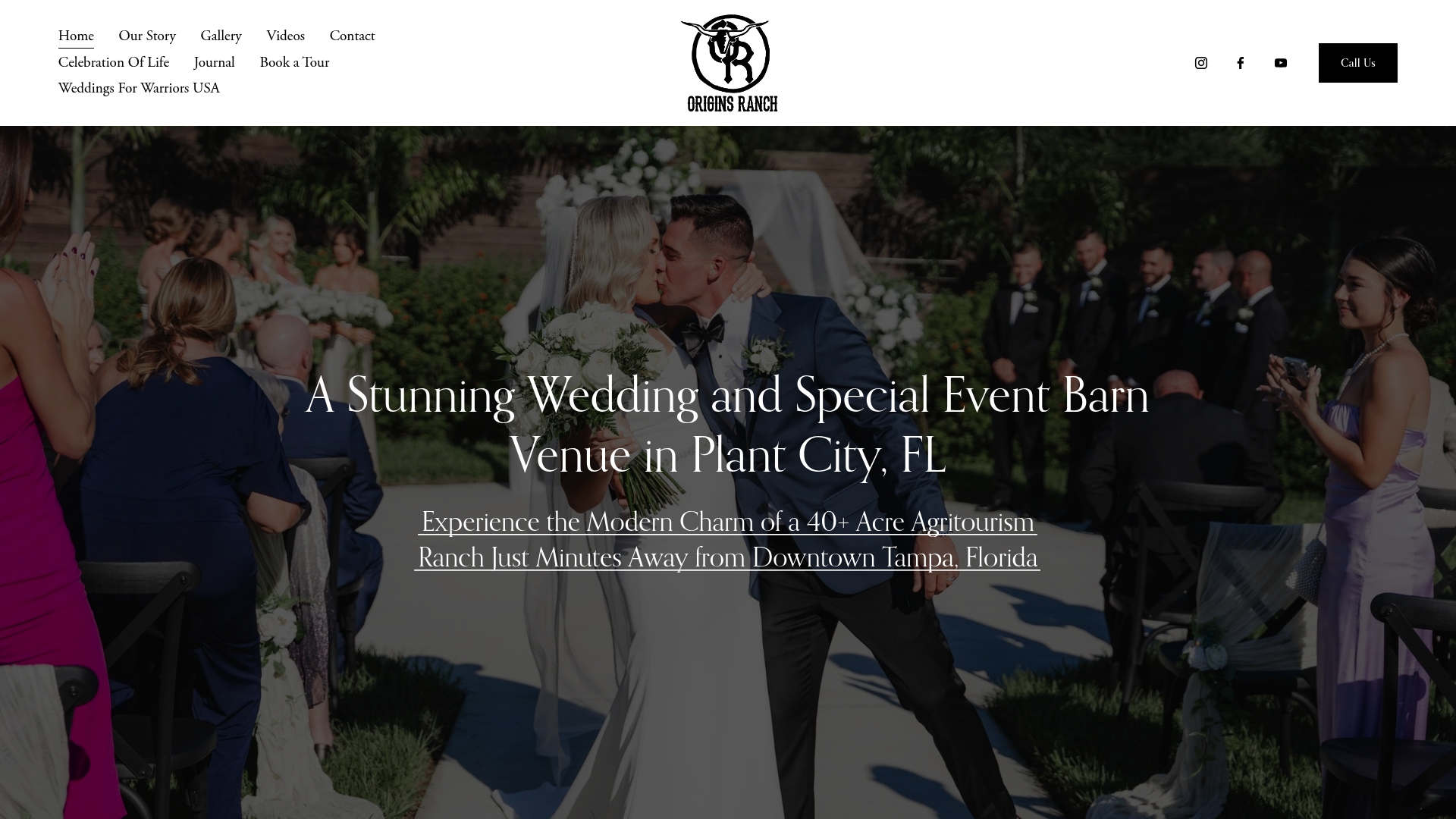
At Originsranch, veteran ownership is not a label. It is the foundation of everything we do. Our founder Barry is a veteran and a DJ with over 20 years in the event service industry, and he built Origins Ranch from a once-legendary horse ranch in Plant City, FL, into a modern barn wedding venue where every detail carries intention and heart.
We host weddings, celebrations, and community gatherings with the same care we bring to our charity, Weddings For Warriors, dedicated to helping veterans and active duty service members have their dream weddings. From the handcrafted character of our barn to the personalized attention we give every client, the experience here is one-of-a-kind.
Explore our event spaces and gallery to see what a veteran-owned venue looks and feels like in full color. We also host a range of special events beyond weddings, because great events deserve a great home. Come see what makes our ranch yours.
FAQ
What qualifies a venue as veteran-owned?
A venue is considered veteran-owned when a veteran holds at least 51% ownership and plays an active role in daily management and operations, often verified through a DD214 or formal VOSB certification.
What are the main benefits of a veteran-owned venue?
The key benefits include mission-driven hospitality, authentic and often handcrafted aesthetics, deep community ties, and specialized experience hosting events with military ceremony elements.
How do I find veteran-owned event venues near me?
Start with directories from organizations like NaVOBA or the SBA, ask within local veteran community networks, and verify ownership credentials by requesting certification documentation directly from the venue.
Are veteran-owned venues more expensive than other venues?
Not necessarily. Pricing varies by venue size and offerings, but many veteran-owned venues offer competitive rates combined with a level of personal attention and customization that larger commercial venues rarely provide.
Can veteran-owned venues host non-military events?
Absolutely. Veteran-owned venues welcome all guests and events. Their military background informs their operational culture, but their hospitality extends to every couple, family, and guest who walks through the door.