

Planning a wedding that combines rustic charm with genuine sustainability can feel overwhelming for Florida couples. Many venues claim to be eco-friendly, but few truly integrate conservation practices into their operations. The challenge isn't just finding a barn or outdoor space, it's discovering venues that protect Florida's unique ecosystems while delivering the authentic, natural aesthetic you envision. This guide reveals what makes a venue truly sustainable in Florida's climate, how to verify green claims, and practical strategies to blend rustic elegance with environmental responsibility for your special day.
Table of Contents
- Key takeaways
- What makes a wedding venue sustainable in Florida?
- Blending rustic charm with ecological responsibility
- Overcoming environmental challenges for outdoor rustic weddings in Florida
- Balancing luxury and sustainability: guest list size and vendor practices
- Explore Origins Ranch for your sustainable rustic wedding
- Frequently asked questions
Key Takeaways
| Point | Details |
|---|---|
| Genuine sustainability metrics | Look for documented data on water use, energy reductions, and waste diversion to verify real commitment. |
| Florida climate considerations | Florida's climate makes efficient climate control, water conservation, and hurricane ready planning essential. |
| Transparency and verification | Ask for sustainability reports or certifications and review metrics such as local sourcing, waste diversion, and energy targets. |
| Conservation partnerships | Venues that allocate a portion of rental fees to habitat protection or conservation groups demonstrate tangible ecological commitments. |
| Eco friendly rustic weddings | The best venues integrate ecological practices so guests experience beauty while sustainability remains seamless behind the scenes. |
What makes a wedding venue sustainable in Florida?
A sustainable wedding venue actively minimizes environmental impact through measurable practices like water conservation, renewable energy use, and waste reduction. These spaces prioritize local sourcing for catering and décor, implement comprehensive recycling programs, and often use LED lighting or solar power to reduce energy consumption. The distinction between marketing language and genuine commitment becomes clear when you examine specific operational details.
Florida's unique environment demands additional considerations beyond standard sustainability practices. The state's high humidity and heat require efficient climate control systems that don't overburden energy grids. Water conservation becomes critical in regions facing aquifer depletion. Pest management must balance guest comfort with ecological responsibility, avoiding harsh chemicals that damage local ecosystems. Hurricane preparedness requires structural integrity and flexible planning without generating excessive waste from backup arrangements.
Venue features that signal authentic sustainability include native plant landscaping that requires minimal irrigation, permeable surfaces that prevent runoff pollution, and partnerships with local conservation organizations. The Environmental Learning Center (ELC) in Vero Beach offers weddings supporting conservation within a nature preserve, directing rental fees toward habitat protection. Their no-pets policy protects nesting shorebirds and gopher tortoises, demonstrating how operational choices reflect ecological values. Understanding wedding venue terminology explained helps you ask the right questions during venue tours.
Look for venues that provide transparent sustainability reports or certifications from recognized environmental organizations. Green certifications from groups like the Green Building Council or local environmental coalitions indicate third-party verification of claims. Ask about waste diversion rates, the percentage of food sourced within 100 miles, and specific energy reduction targets. Venues committed to sustainability will eagerly share these metrics rather than offering vague assurances.
Key sustainable features to verify:
- Documented water conservation systems like rainwater harvesting or greywater recycling
- Energy-efficient HVAC and lighting with measurable consumption reductions
- Comprehensive composting and recycling programs with diversion rate data
- Native landscaping that eliminates pesticide use and reduces irrigation needs
- Partnerships with local farms and suppliers to minimize transportation emissions
Pro Tip: Request a venue's sustainability report or environmental impact statement during your initial inquiry. Legitimate eco-friendly venues maintain these documents and share them proudly, while those making superficial claims will struggle to provide specifics.
The most effective sustainable venues integrate environmental practices so seamlessly that guests experience beauty and comfort without noticing the behind-the-scenes conservation efforts. This invisible sustainability represents the gold standard, where ecological responsibility enhances rather than compromises the wedding experience.
Blending rustic charm with ecological responsibility
Rustic wedding aesthetics naturally align with sustainability when venues prioritize reclaimed materials, preserve existing structures, and integrate native landscapes. Exposed wood beams, barn doors, and weathered finishes create visual warmth while reducing demand for new resource extraction. The key lies in distinguishing authentic rustic venues that repurpose existing agricultural buildings from new construction designed to mimic rural aesthetics.
Florida's Gulf Coast demonstrates how luxury and sustainability coexist without compromise. LaPlaya Beach Resort balances eco-luxury with local sourcing and energy efficiency on pristine beaches, proving upscale experiences can incorporate rigorous environmental standards. Their approach includes seasonal menus featuring Gulf seafood, energy management systems that reduce consumption by 30%, and beach restoration programs funded by event revenues. This model shows couples they need not sacrifice elegance for environmental values.
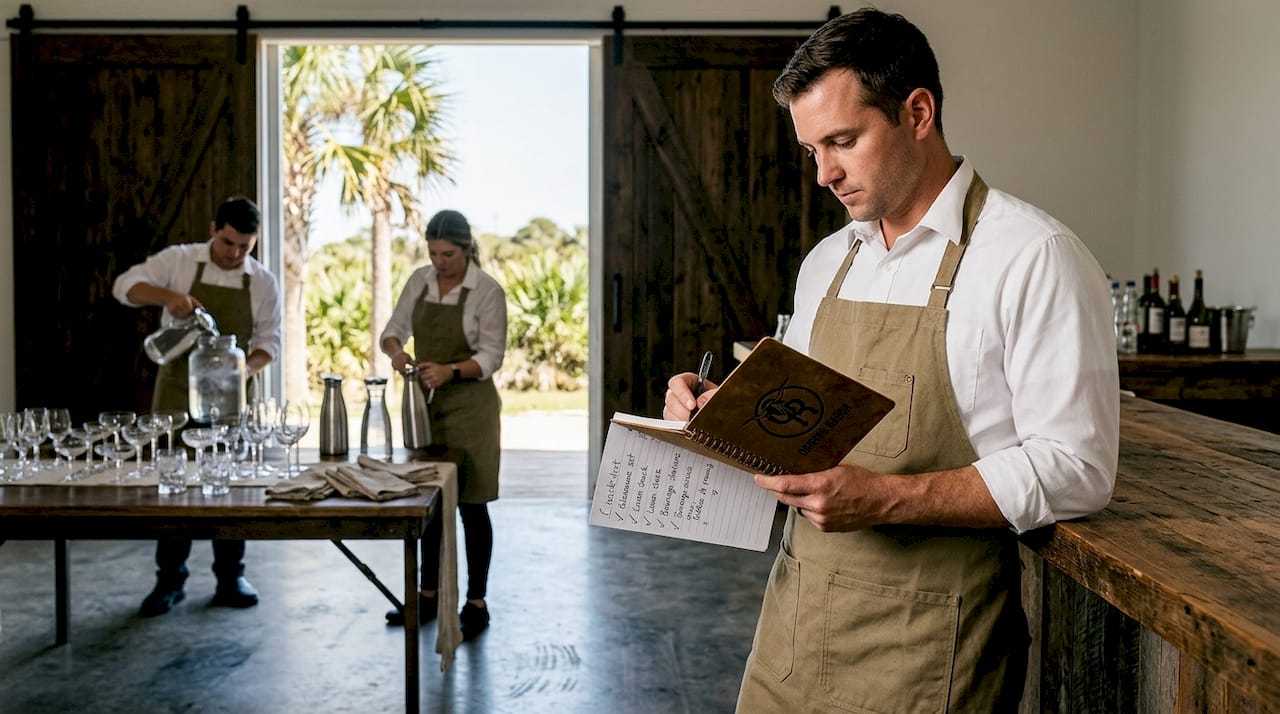
Decor choices significantly impact your wedding's ecological footprint. Opt for potted plants guests can take home rather than cut flower arrangements that wilt within days. Choose linens from companies using organic cotton and low-impact dyes. Select vintage or secondhand items for table settings, which add character while preventing new manufacturing. Many Florida venues now partner with rental companies specializing in reclaimed wood farm tables, vintage glassware, and repurposed décor items that enhance rustic ambiance sustainably.
Rustic elements that support sustainability:
- Reclaimed barn wood for signage, arbors, and accent walls
- Edison bulb string lights using LED technology for vintage aesthetics
- Native wildflower arrangements requiring no floral foam or imported blooms
- Natural fiber textiles like burlap, linen, and cotton for table runners
- Existing venue features like exposed brick, original flooring, and heritage trees
| Rustic feature | Sustainability benefit |
|---|---|
| Reclaimed wood décor | Prevents new timber harvesting; reduces manufacturing emissions |
| Native plant landscaping | Eliminates irrigation needs; supports local pollinators and wildlife |
| Vintage furniture rentals | Extends product lifecycle; prevents landfill waste |
| Natural lighting from large windows | Reduces daytime electricity consumption |
| Existing barn structures | Avoids new construction; preserves agricultural heritage |
Local vendor selection amplifies both rustic authenticity and environmental benefits. Florida farmers markets provide seasonal flowers, produce, and artisan goods that reduce transportation emissions while supporting regional economies. A caterer sourcing ingredients from within 50 miles delivers fresher food with lower carbon impact than one importing specialty items. This local focus also creates menu authenticity, incorporating Florida citrus, Gulf seafood, and regional flavors that tell a place-based story. Exploring wedding venue trends 2026 rustic Florida weddings reveals how couples increasingly prioritize these regional connections.
Pro Tip: Create a vendor questionnaire asking specific questions about sourcing practices, waste management, and transportation logistics. Vendors genuinely committed to sustainability will provide detailed answers, while those offering superficial green claims will give vague responses.
The intersection of rustic aesthetics and sustainability creates weddings that feel both timeless and forward-thinking. When venues preserve historic structures, celebrate regional materials, and operate with environmental integrity, couples gain celebrations that honor the past while protecting the future.
Overcoming environmental challenges for outdoor rustic weddings in Florida
Florida's weather volatility presents unique planning challenges that sustainable venues must address without generating excessive waste. Summer afternoon thunderstorms arrive with little warning, while hurricane season spans June through November. Responsible venues provide covered pavilions, retractable structures, or nearby indoor backup spaces that eliminate the need for disposable tents and plastic sheeting. The Environmental Learning Center weddings includes covered outdoor areas protecting guests from sudden rain while maintaining open-air ambiance.
Wildlife protection policies reflect a venue's commitment to ecological responsibility. Florida hosts endangered species like gopher tortoises, scrub jays, and sea turtles that require habitat protection. Venues serious about conservation implement no-pets policies to prevent disturbance to nesting birds and ground-dwelling species. They schedule events to avoid critical breeding seasons and maintain buffer zones around sensitive habitats. These practices demonstrate that venue operations consider ecosystem health alongside guest experience.
Mosquito management without harsh pesticides requires integrated pest control strategies. Effective venues use biological controls like bat houses and purple martin colonies that consume thousands of insects nightly. They eliminate standing water breeding sites, install fans that disrupt mosquito flight patterns, and provide natural repellent stations with essential oil-based products. Some venues time events for cooler months when mosquito populations naturally decline. These approaches protect guest comfort while avoiding chemical treatments that harm beneficial insects like butterflies and native bees.
Steps sustainable venues take to meet Florida environmental challenges:
- Install permanent covered structures with open sides for airflow and weather protection
- Maintain detailed weather contingency plans using existing infrastructure rather than disposable solutions
- Implement year-round habitat monitoring to identify and protect sensitive wildlife areas
- Use biological pest control methods and strategic landscaping to minimize insect issues
- Schedule maintenance and events around wildlife breeding seasons to reduce disturbance
- Provide guests with eco-friendly insect repellent and cooling stations during warm months
Understanding barn venue wedding workflow helps couples appreciate how experienced venues seamlessly adapt to changing conditions. Venues with established protocols handle weather disruptions efficiently, transitioning between indoor and outdoor spaces without chaos or waste. They maintain relationships with local meteorologists for accurate forecasting and communicate backup plans clearly to vendors and guests.
The challenge of balancing guest comfort with environmental protection requires creative problem-solving. Some venues install misting systems using reclaimed water to cool outdoor spaces without air conditioning. Others design landscapes with strategic shade trees that reduce ambient temperature by 10 to 15 degrees. These permanent improvements serve every event while avoiding the energy consumption of temporary cooling solutions. Researching top barn venue alternatives 2026 reveals how different venues approach these common challenges.
Pro Tip: Visit potential venues during Florida's hottest, most humid months to experience their climate management firsthand. A venue comfortable in August will excel during milder seasons, while one that feels oppressive in summer may disappoint regardless of aesthetic appeal.
Successful outdoor rustic weddings in Florida require venues that respect environmental realities rather than fighting against them. The best spaces work with natural systems, protecting wildlife while creating comfortable, memorable celebrations that honor the state's ecological richness.
Balancing luxury and sustainability: guest list size and vendor practices
Guest count represents one of the most significant factors in your wedding's environmental impact. Smaller guest lists significantly reduce emissions from transportation, food production, and waste generation. A 150-person wedding produces roughly three times the carbon footprint of a 50-person celebration when accounting for travel, catering, and disposable items. Intimate gatherings also allow for higher-quality sustainable choices within the same budget, like organic catering or zero-waste bar service.
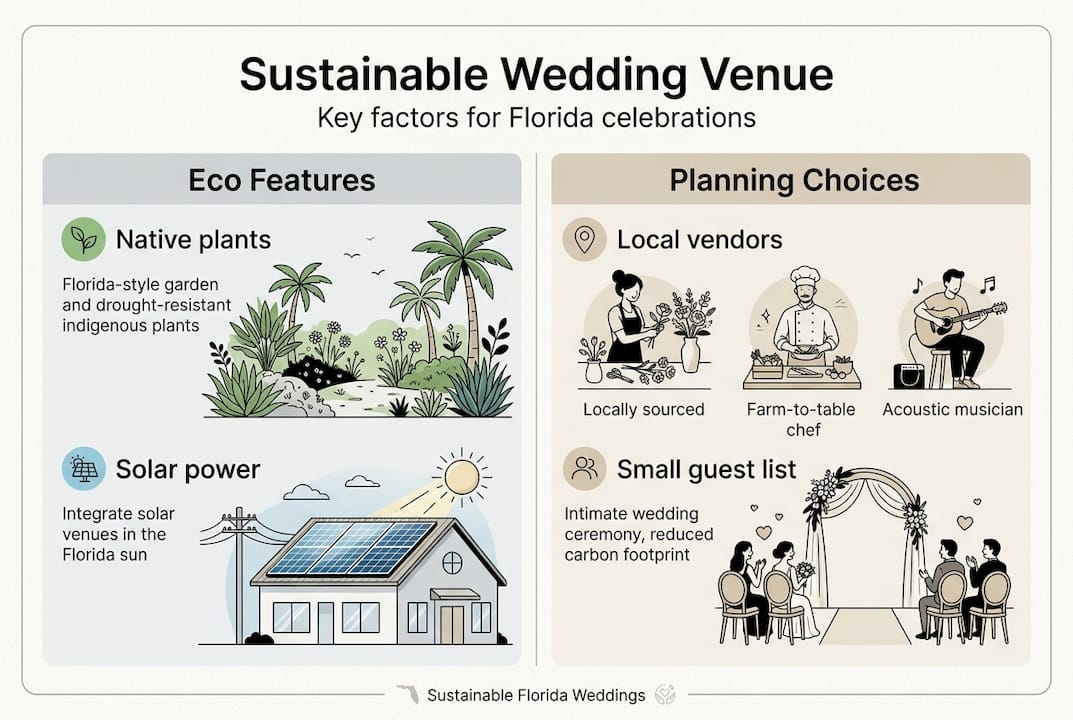
Verifying vendor sustainability claims remotely presents challenges, especially when planning from a distance. Request specific documentation rather than accepting general statements. Ask caterers for sourcing maps showing farm locations, percentages of organic ingredients, and composting partnerships. Inquire about florists' foam alternatives, local growing practices, and post-event donation programs. Photographers should explain digital delivery methods that eliminate physical album waste and travel practices that minimize emissions. Understanding role of venue in weddings helps you recognize how venue selection influences vendor sustainability.
Luxury expectations need not conflict with environmental responsibility when you redefine opulence around quality rather than excess. A smaller wedding with exceptional locally-sourced cuisine, premium organic wines, and personalized guest experiences delivers more memorable luxury than a large event with mediocre mass-produced elements. Seasonal menus featuring Florida ingredients at peak freshness taste superior to imported out-of-season items while supporting regional agriculture and reducing transportation emissions.
"The biggest challenge in sustainable weddings is verifying vendor claims when planning remotely. Couples should request specific metrics like waste diversion rates and sourcing distances rather than accepting vague 'green' promises. The environmental benefit of smaller guest lists cannot be overstated, it's the single most impactful decision couples can make."
Practical strategies to reduce environmental impact while maintaining elegance:
- Limit invitations to close family and friends, creating intimate celebrations with lower resource demands
- Choose vendors with third-party sustainability certifications or documented environmental programs
- Select seasonal flowers and produce at peak local availability for superior quality and lower impact
- Favor reusable items like cloth napkins, real dishware, and glassware over disposable alternatives
- Implement a comprehensive recycling and composting plan with clearly labeled stations
- Offer shuttle service from nearby hotels to reduce individual guest vehicle trips
The tension between luxury and sustainability often stems from outdated assumptions about what defines an upscale experience. Modern eco-luxury emphasizes craftsmanship, authenticity, and thoughtful curation over conspicuous consumption. A wedding featuring handcrafted cocktails with locally-distilled spirits, artisan cheeses from Florida creameries, and live music from regional talent delivers sophistication while supporting local economies and minimizing transportation emissions.
Reusable and rental options have evolved dramatically, offering elegant solutions that surpass disposable alternatives. Companies now provide vintage china, crystal glassware, and designer linens that elevate table settings while generating zero waste. These items often cost less than purchasing disposable equivalents when you factor in quality and guest perception. The aesthetic appeal of mismatched vintage pieces adds character impossible to achieve with uniform disposables. Reviewing wedding venue selection guide barn event provides additional context for integrating these choices into your overall planning.
Pro Tip: Create a sustainability rider for vendor contracts specifying required practices like minimal packaging, reusable transport containers, and post-event donation or composting of excess items. This document ensures everyone shares your environmental values and provides accountability.
Balancing luxury with sustainability requires intentional choices at every planning stage, but the result is a celebration that feels both indulgent and responsible. Couples who embrace this approach often report greater satisfaction, knowing their special day reflected their values while creating lasting memories.
Explore Origins Ranch for your sustainable rustic wedding
Origins Ranch embodies the sustainable rustic wedding experience Florida couples seek. Our transformed World Champion Horse Ranch in Plant City blends historic barn charm with modern eco-conscious operations. We've preserved the property's agricultural heritage while implementing water conservation, native landscaping, and partnerships with local suppliers. The venue's natural beauty requires minimal added décor, reducing waste while showcasing Florida's countryside elegance.
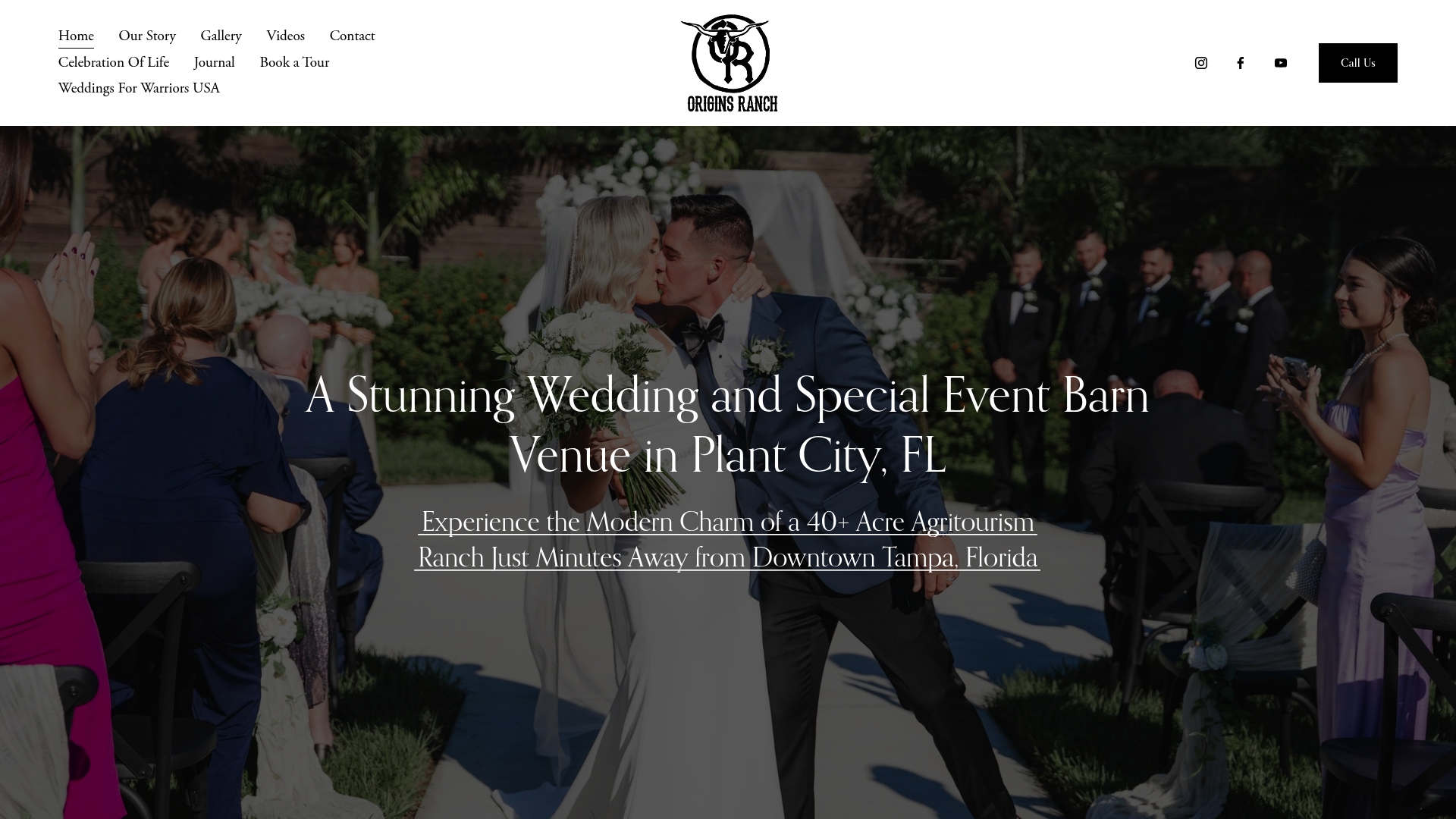
Explore our Origins Ranch gallery to envision your celebration in our thoughtfully restored spaces. Book a tour at Origins Ranch to discuss personalized sustainability options for your event. Our founder Barry's two decades in event services ensure expert guidance on creating memorable, environmentally responsible celebrations. Through our Weddings for Warriors USA program, we honor military couples with dream weddings that reflect our commitment to service and community.
Pro Tip: Schedule your venue visit during golden hour to experience how natural light transforms our barn spaces, reducing the need for extensive artificial lighting while creating stunning photo opportunities.
Frequently asked questions
What defines a sustainable wedding venue?
A sustainable wedding venue implements measurable environmental practices including water conservation, renewable energy use, waste reduction, and local sourcing. These venues provide transparent documentation of their ecological impact and continuously improve operations to minimize resource consumption.
What eco-friendly practices should I look for in Florida venues?
Seek venues with native plant landscaping, efficient climate control, comprehensive recycling programs, and partnerships with local suppliers. Florida-specific features include responsible pest management, wildlife protection policies, and hurricane-ready infrastructure that avoids disposable backup solutions.
How do venues handle Florida weather and wildlife challenges sustainably?
Responsible venues install permanent covered structures for weather protection, use biological pest control methods, and implement wildlife protection policies like restricting pets and avoiding sensitive breeding seasons. They work with natural systems rather than fighting environmental realities with resource-intensive solutions.
Is it harder to find luxury venues that are also sustainable?
Luxury and sustainability increasingly overlap as couples redefine opulence around quality and authenticity. Many upscale Florida venues now integrate rigorous environmental standards, offering exceptional experiences through locally-sourced cuisine, energy-efficient operations, and conservation partnerships that enhance rather than compromise elegance.
What simple steps reduce our wedding's environmental impact?
Limit your guest list to reduce transportation and catering emissions, choose seasonal local flowers and food, favor reusable items over disposables, and vet vendors for genuine sustainability practices with specific documentation. These changes significantly lower your footprint while often improving overall quality and guest experience.