
TL;DR:
- Event coordinators handle logistics, vendor management, and real-time problem solving to ensure seamless events. Their work begins weeks in advance with detailed timelines and continues through the event day to manage unexpected issues quietly behind the scenes. Understanding their distinct role from planners and venue staff helps clients build the appropriate support team for a successful occasion.
Most people picture an event coordinator as someone who shows up the day of the party and makes sure the cake arrives. The actual role of event coordinator is far more demanding than that. From building vendor timelines weeks in advance to solving a missing floral delivery at 6 a.m. without the client ever knowing, coordinators operate as the operational backbone of any successful event. Whether you are planning a wedding, a milestone celebration, or a corporate gathering, understanding what a coordinator actually does will change how you approach the entire planning process.
Key takeaways
| Point | Details |
|---|---|
| Coordinator vs. planner | Event coordinators focus on logistics and day-of execution, while planners handle broader creative strategy. |
| Pre-event work is massive | Most coordinator work happens weeks before the event through timeline building and vendor confirmation. |
| Problem solving is invisible | A great coordinator absorbs issues behind the scenes so clients stay fully present during their event. |
| Skills go beyond organization | Budgeting, software proficiency, and risk management are core skills of an event coordinator. |
| Knowing who to hire | Understanding each role helps you build the right support team for your specific event needs. |
The role of event coordinator: core responsibilities
The coordinator role is best described as turning a plan into reality. It is not glamorous in the traditional sense. It is detailed, methodical, and driven by systems. The event planning duties of a coordinator begin weeks before guests arrive and extend well past the final handshake.
Here is what that workload actually looks like in practice:
- Vendor logistics: Confirming arrival times, load-in sequences, setup requirements, and contact details for every vendor on the roster
- Timeline creation: Building a run-of-show document that maps every transition, cue, and buffer by the minute
- Venue walkthroughs: Walking the space with vendors and staff so everyone knows exactly where they are supposed to be
- Permits and compliance: Handling any required permits, liability insurance certificates, and regulatory documentation for public or large-scale events
- Day-of execution: Running the timeline, directing vendor placements, managing transitions, orienting guests, and solving problems quietly in the background
What does an event coordinator do on the actual event day? They run the timeline, direct vendors, orient guests, and solve problems in real time so the client never has to. That last part is the one most people underestimate until they experience an event without it.
Pro Tip: Ask any coordinator you are considering hiring to share a sample run-of-show document. How detailed and organized it looks tells you almost everything you need to know about how they work.
Skills every event coordinator needs
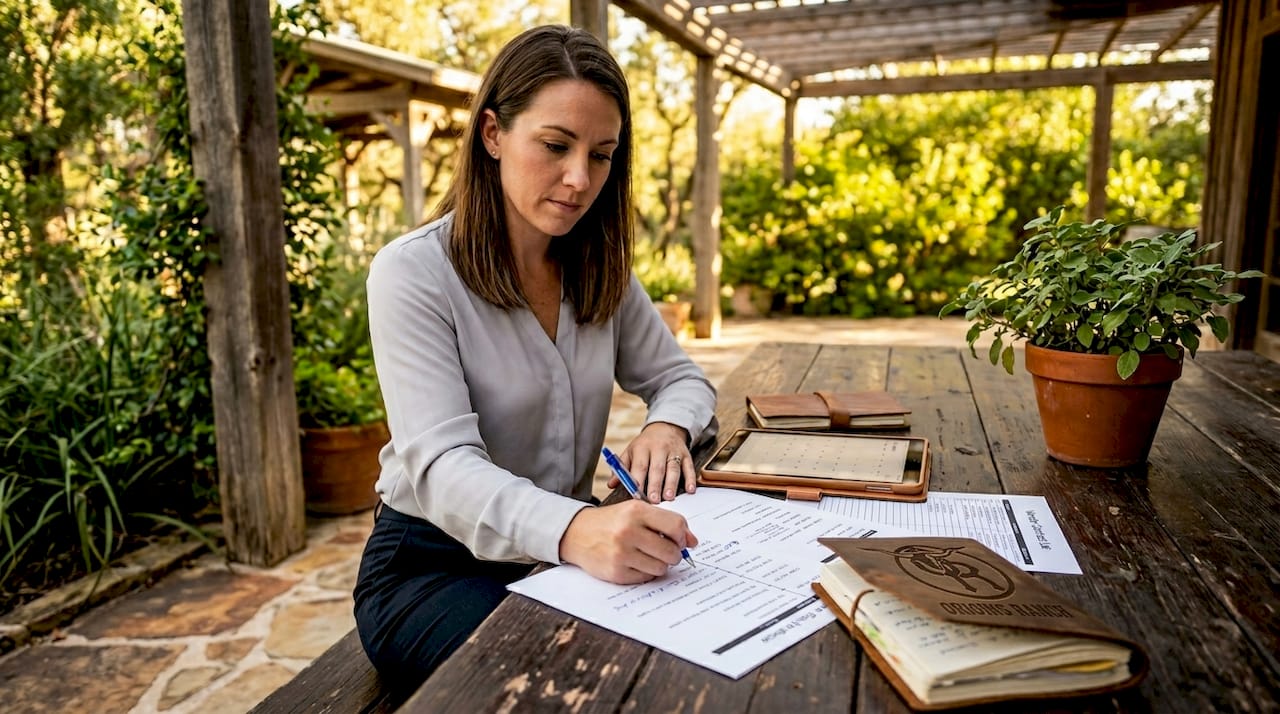
Strong event coordinator responsibilities require a specific mix of skills that go well beyond a love for pretty tablescapes. The best coordinators combine people skills with operational precision, and they do it under pressure without flinching.
The core skill set includes:
- Communication: Clear, calm, and direct communication with vendors, clients, and venue staff, often all at once
- Team leadership: Managing volunteers, assistants, and vendor teams who may not know each other yet
- Budget management: Coordinators track payments and budgets, reconcile invoices, and produce post-event financial reports
- Risk management: Anticipating what could go wrong and building contingency plans before the event day arrives
- Software proficiency: Tools like Cvent, Tripleseat, and Eventbrite are commonly used for registrations, timelines, and vendor communication
Pro Tip: When interviewing a coordinator, ask how they handled a major problem at a past event. Their answer reveals their composure, creativity, and professionalism far more than any resume credential.
One skill that rarely gets mentioned is reading client communication styles. Some clients want to know everything. Others want you to handle it all and only bring them in for yes-or-no decisions. Adapting your communication style to match the client is one of the most undervalued skills of an event coordinator, and it directly affects how stress-free the planning process feels for the people who hired you.
How coordinators differ from planners and venue staff
This is where a lot of confusion happens, and it is worth getting specific. The terms "event coordinator," "event planner," and "venue coordinator" are used interchangeably all the time. They should not be.
| Role | Primary Focus | When They Engage |
|---|---|---|
| Event coordinator | Logistics and day-of execution | 4 to 8 weeks before the event through event day |
| Event planner | Creative concept, strategy, full budget management | From the very beginning of the planning process |
| Venue coordinator | Venue operations, in-house staff, and facility needs | Primarily on-site during the event |
| Event manager | High-level strategy, stakeholder relationships, overall authority | Across the full project lifecycle |
Event coordinators focus on operational execution as opposed to planners managing broader design and budget. This means your planner picks the florist and negotiates the contract. Your coordinator confirms the florist's arrival time, shows them where to set up, and calls them when they are 20 minutes late.
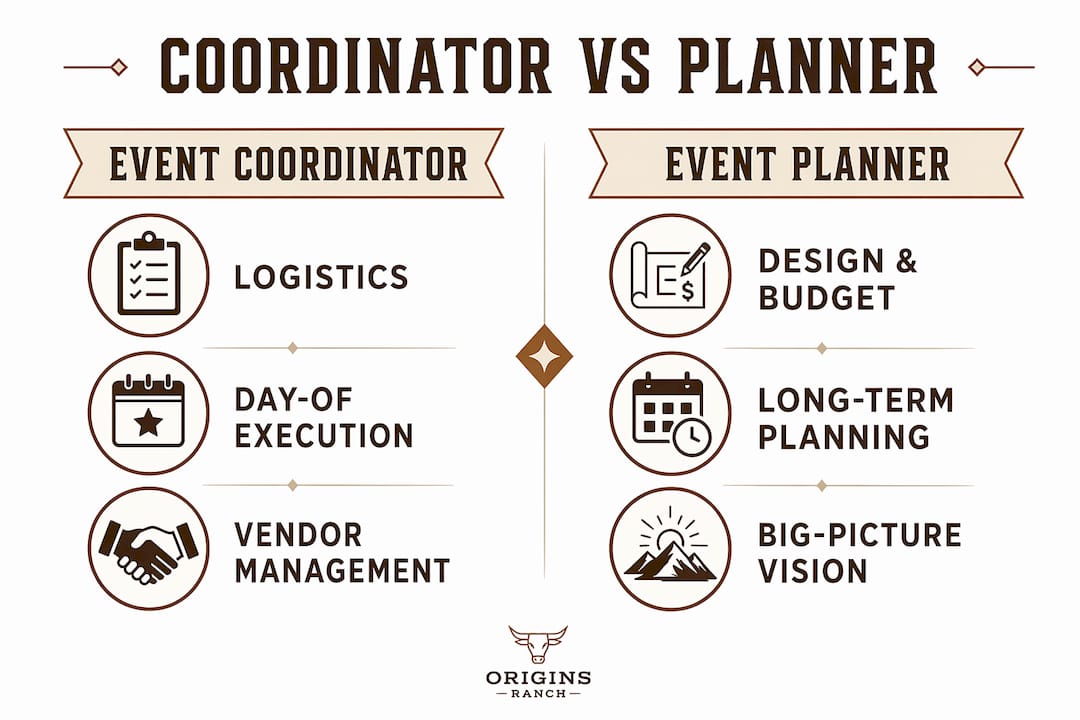
The venue coordinator is another role people confuse with an independent coordinator. A venue coordinator works for the venue, full stop. Their job is to manage the facility, its staff, and its equipment. They are not there to manage your personal vendors, protect your timeline, or handle a family conflict between ceremony and reception. That is where having your own coordinator becomes critical.
Understanding these distinctions helps you build the right team for your event. For a deeper look at how the venue coordinator role fits into the bigger picture, this guide to venue coordinator responsibilities is worth reading before you start booking.
How coordinators make events work in practice
Theory is one thing. Watching a coordinator actually save an event is something else entirely. The importance of an event coordinator becomes most clear in the moments guests never see.
Here is what a coordinator typically manages on a wedding day:
- Arrival and setup confirmation — Arriving before vendors to verify the space is ready, then checking in each vendor as they arrive against the master contact sheet
- Team briefing — Walking every staff member, volunteer, and vendor through their specific responsibilities and the timeline before guests arrive
- Staying 15 minutes ahead — Monitoring the timeline not in real time but 15 minutes ahead so small delays can be absorbed before they cascade into disruptions
- Guest flow management — Directing guests to parking, cocktail hour, seating, and transitions so no one feels lost or confused
- Crisis recovery — Handling a vendor no-show, a wardrobe issue, a weather change, or a family conflict without ever pulling the client into the chaos
"Coordinators serve as a vital communication bridge between client expectations and event execution, ensuring plans are fully realized." — Event Coordinator Job Description
One of the most practical tools any coordinator uses is the vendor call sheet. This is a single document listing every vendor's name, cell number, arrival time, setup location, and departure time. It lives in centralized execution documents alongside the master timeline so that every party, from the DJ to the caterer to the florist, knows exactly what to do and when. When something shifts, the coordinator updates and redistributes. Confusion drops to almost nothing.
For weddings specifically, good coordinators also handle the small things clients often forget to pre-plan. Who carries the rings during cocktail hour? Who knows how to bustle the dress? Where is the emergency kit? Predefined agreements on these items prevent small interruptions from becoming memorable problems. For more on how this plays out in a barn venue setting, this breakdown of rustic wedding logistics shows what thorough coordination looks like in practice.
My honest take on why coordinators are undervalued
I have spent over 20 years in the event service industry, and the most consistent thing I have seen is this: people underestimate event coordinators until the moment they desperately need one.
Here is what I have learned. The visible work, the floral arrangements, the lighting, the catering, gets all the attention. The invisible work, the coordinator who quietly rerouted a vendor through a back entrance to avoid crossing the ceremony space, who talked a nervous father of the bride off the ledge during the cocktail hour, who noticed the DJ's speaker was facing the wrong direction and fixed it before anyone sat down, that work is what separates a beautiful event from a truly flawless one.
The biggest mistake I see is clients assuming that a venue coordinator handles everything. It does not work that way. Venue staff protect the venue. Your coordinator protects you.
I have also found that the best coordinators are not the ones with the longest checklists. They are the ones who read a room, sense when something is about to go sideways, and act before it does. That instinct does not come from a certification. It comes from experience, and it is worth every penny.
— Origins
Plan your event at Origins Ranch
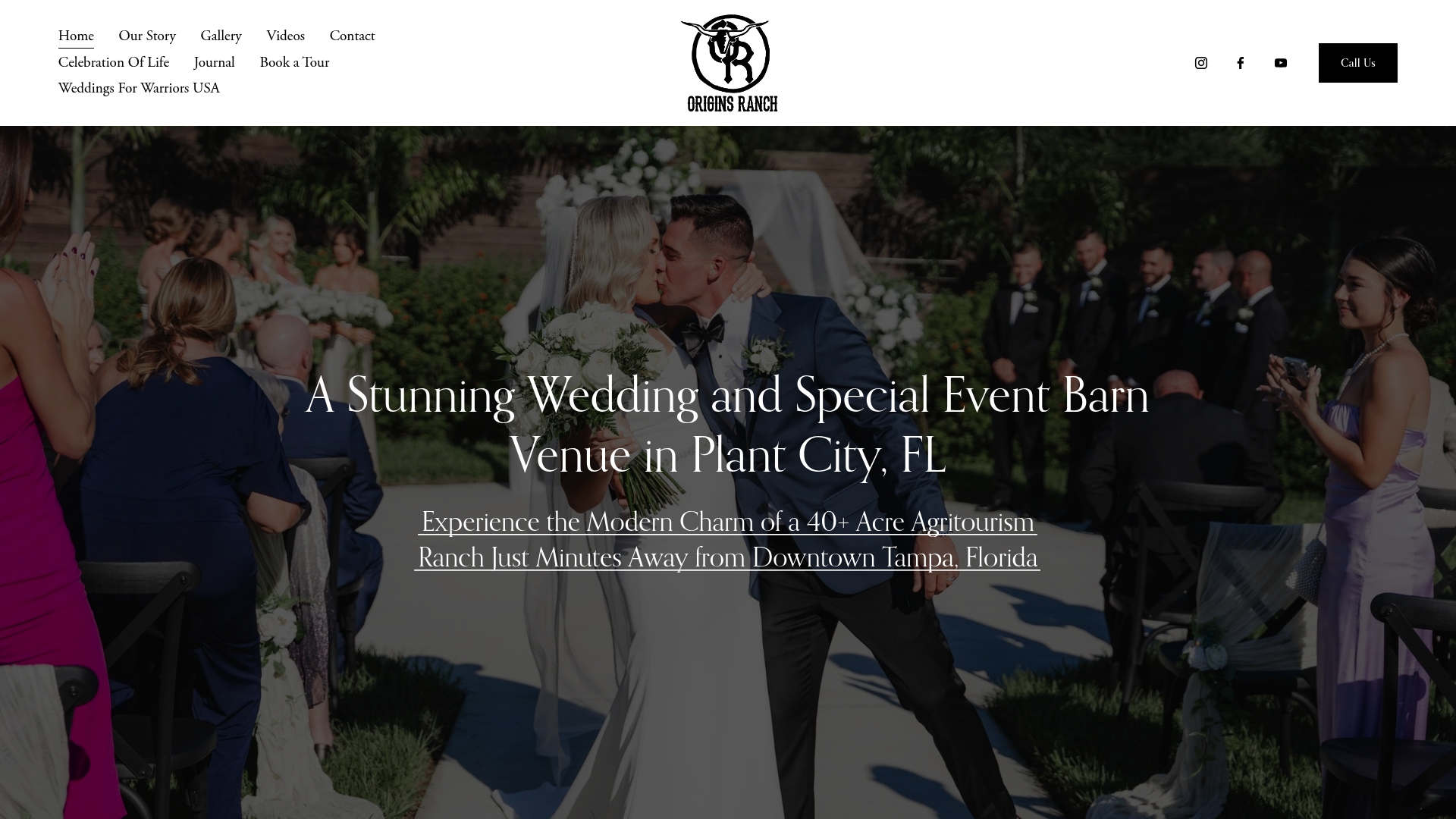
At Originsranch, we know that great events are built on preparation, skilled coordination, and a venue that supports both. Our stunning barn venue in Plant City, FL has been designed to make coordination effortless, with thoughtful layouts, clear vendor access, and a team that genuinely cares about your day going exactly as you imagined.
Whether you are planning a wedding, a milestone celebration, or a private gathering, we are here to help you bring it all together. Browse our event spaces and services to see how we support every kind of occasion. Take a look at our venue gallery to visualize your event in our space. And if you are ready to talk through your vision, we would love to hear from you. Where our ranch is your ranch.
FAQ
What does an event coordinator do?
An event coordinator manages logistics and day-of execution, including vendor communication, timeline management, and real-time problem solving, so the client can stay fully present during their event.
How is an event coordinator different from an event planner?
Event coordinators focus on operational execution starting four to eight weeks out, while event planners handle the broader creative strategy, concept development, and full budget management from the very beginning.
Do I need a coordinator if the venue has its own coordinator?
Yes. A venue coordinator works for the venue and manages the facility and its staff. An independent coordinator works for you, managing your vendors, your timeline, and your personal needs throughout the event.
What are the most important skills of an event coordinator?
The top skills include communication, team leadership, budget tracking, risk management, and proficiency with event management software like Cvent or Eventbrite, all applied simultaneously under real pressure.
When should an event coordinator get involved in my planning?
Most coordinators begin active engagement four to eight weeks before the event, focusing on vendor confirmation and timeline building, though some offer earlier planning support depending on the scope of your event.