
TL;DR:
- Outdoor weddings are increasingly popular because they offer a personal, natural setting that enhances guest experience and emotional connection. They also provide flexible layouts and beautiful lighting conditions but require careful planning for infrastructure, weather, and logistics to ensure a successful celebration. Investing time and resources in outdoor venue preparation creates memorable events that go beyond traditional indoor spaces.
There is a reason why outdoor weddings are popular across every region, budget range, and wedding style right now. It is not simply about pretty photos or cutting costs. Modern couples are redefining what a wedding feels like, and venue selection tops the list at 83% of couples calling it their most important early planning decision. Outdoor venues have risen to meet that demand by offering something no hotel ballroom can replicate: a setting that feels personal, alive, and completely your own. This article unpacks exactly what is driving that shift and what it means for your planning process.
Table of Contents
- Key Takeaways
- Why outdoor weddings are popular: the charm factor
- Flexibility and personalization in outdoor spaces
- Guest experience and the outdoor advantage
- Practical planning: costs, logistics, and real challenges
- My honest take on outdoor weddings
- Plan your outdoor wedding at Originsranch
- FAQ
Key Takeaways
| Point | Details |
|---|---|
| Nature reduces decor costs | Outdoor backdrops naturally fill visual space, lowering the need for heavy staging and floral arrangements. |
| Personalization is the top driver | Outdoor spaces allow couples to design multi-zone layouts that traditional ballrooms simply cannot accommodate. |
| Guest experience drives decisions | 69% of couples rank guest experience as their top priority, and outdoor settings deliver comfort and connection. |
| Hidden costs are real | Infrastructure like flooring, power, and lighting adds up fast. Budget for these from the start. |
| Logistics require serious planning | Outdoor weddings demand more coordination than indoor events, not less. Weather, catering, and sound all need contingency plans. |
Why outdoor weddings are popular: the charm factor
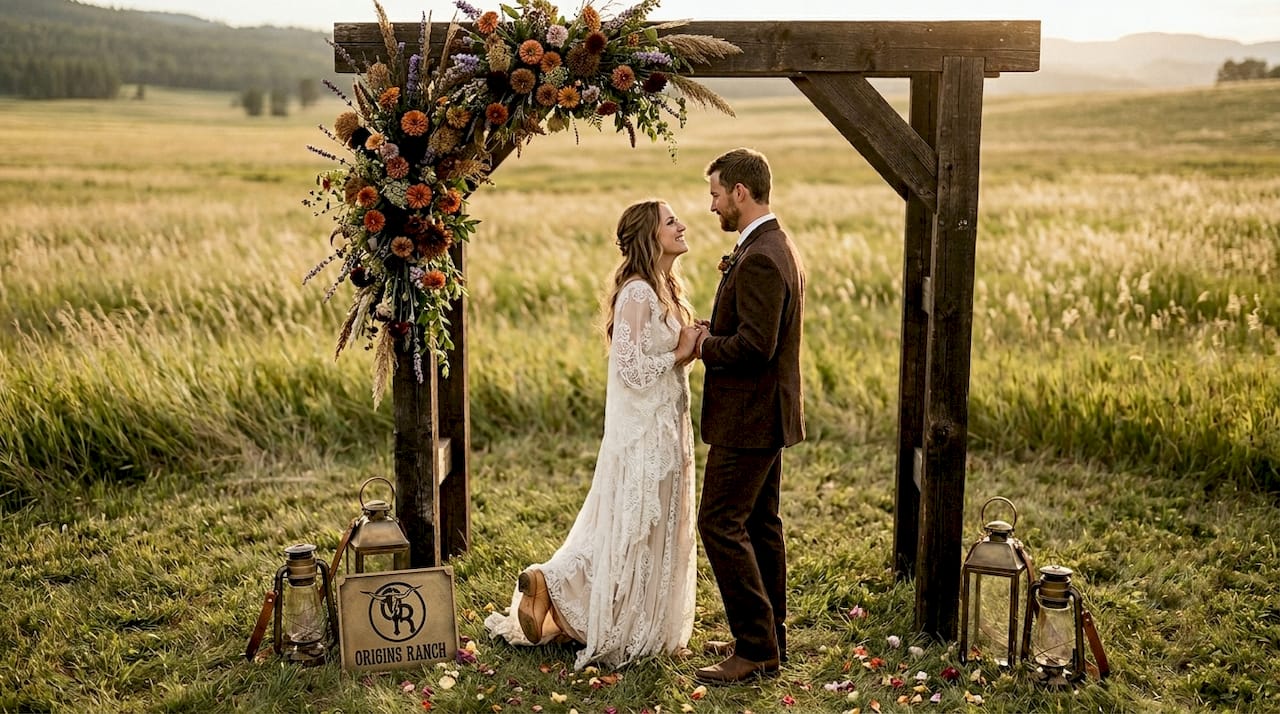
Ask a hundred couples why they chose an outdoor venue and most will say some version of the same thing: it felt right the moment they saw it. That emotional pull is not accidental. The charm of outdoor ceremonies comes from something deeply human. We are drawn to open sky, natural light, and living textures in a way that no interior design can fully reproduce.
Natural settings do real work for you before a single decoration is placed. A backdrop of towering oaks, a carpet of green lawn, or a golden field at sunset creates the kind of ambiance that takes an indoor venue thousands of dollars in lighting and florals to approximate. Romantic garden venues remain the #1 choice among couples in 2026, partly because they align so naturally with trending color palettes. Sage green, used in roughly 30% of weddings this year, looks intentional against real foliage in a way it simply never does against a painted wall.
Beyond gardens, the most sought-after outdoor venue types right now include:
- Rustic barns with weathered wood and open land that create warm, textured settings
- Vineyard estates offering structured beauty with seasonal variation
- Beachfront spaces delivering that iconic, light-soaked ceremony feel
- Wildflower meadows and open ranches that create a sense of freedom and wide-open celebration
The allure of nature weddings is also deeply tied to photography. Natural light is simply the best light. Golden hour portraits taken outdoors consistently outperform studio-lit alternatives in both quality and emotional resonance, and most photographers will tell you the same.
Pro Tip: Schedule your outdoor ceremony to end 45 minutes before sunset. You will capture golden hour light during the reception and cocktail hour without needing to rush portraits.
Flexibility and personalization in outdoor spaces
Indoor venues come with a built-in constraint: the room. The floor plan is fixed, the walls are where they are, and the ceiling determines your sound. Outdoor venues throw all of that out. That freedom is one of the clearest answers to why couples choose outdoor weddings over traditional spaces.
Modern couples prioritize authentic experience over tradition, and outdoor spaces make it possible to build multi-zone environments that feel like a lifestyle event rather than a formal occasion. Industry experts call this "layered zoning," and it has almost entirely replaced the standard ballroom seating chart as the preferred layout approach for premium weddings.
Here is what a well-designed outdoor wedding layout typically includes:
- Ceremony space positioned for natural light and a clear focal point like a tree line, arch, or barn facade
- Cocktail hour zone set apart from the ceremony area with casual seating, lawn games, and grazing boards
- Reception area that may include a dance floor, main dining tables, and a lounge corner with sofas and string lights
- Late-night corner with a dessert station, fire pit, or photo booth tucked into a quieter part of the property
This kind of layout is nearly impossible to achieve in a standard ballroom without it feeling forced. Outside, it flows naturally. Guests move between spaces at their own pace, which creates the kind of relaxed, social atmosphere couples describe as their favorite part of the whole day.
Gen Z couples now average 129 guests per wedding, larger than the Millennial average, and outdoor venues handle that scale with far more grace than most indoor alternatives. Wide-open spaces also generate the social media-friendly aesthetics that matter to couples documenting their day. Every corner of a well-designed outdoor venue is a potential shot.
Pro Tip: When planning your zones, think about foot traffic flow first. Guests naturally drift toward food and light, so anchor each zone with at least one of those two elements.
Guest experience and the outdoor advantage
There is growing data behind something couples have sensed for years: being outside simply feels better. Open air, natural sounds, and spacious environments reduce stress and create a mood that tight indoor rooms struggle to match. That translates directly into how your guests feel during your celebration.
The guest experience advantage plays out in several distinct ways at outdoor weddings:
- Freedom of movement. Without walls and corridors forcing foot traffic, guests mix more naturally and conversations happen that would never occur at assigned ballroom tables.
- Comfort and sensory ease. Fresh air reduces the fatigue that stuffy reception halls often create by the third hour of the evening.
- Photogenic moments at every turn. Guests take and share more photos at outdoor events, which extends the celebration across social media in a genuine way.
- A sense of occasion. Something about being under open sky during a ceremony creates an emotional gravity that feels different from any indoor space.
"Guest experience is now the defining metric for a successful wedding. Couples want their guests to feel free, comfortable, and completely present. Outdoor venues are built for exactly that." — 2026 Wedding Trends Report
This shift is reflected in the numbers. Guest experience ranks as the top priority for 69% of couples today, with most favoring semi-formal styles that prioritize mingling over rigid ceremony. Outdoor venues are uniquely positioned to deliver on that. When you understand this priority, the popularity of garden weddings and open-air spaces becomes less of a trend and more of a logical response to what couples actually want.
Understanding why outdoor settings work for guest experience goes beyond aesthetics. The space itself changes how people interact.
Practical planning: costs, logistics, and real challenges
Here is the part most articles skip, or soften. Outdoor weddings are not simpler than indoor ones. Expert planners consistently emphasize that outdoor celebrations demand more logistical coordination, not less, despite the casual feel they create for guests. Understanding the real planning requirements is what separates a beautiful outdoor wedding from a stressful one.
Weather contingency is non-negotiable
Weather is the factor couples worry about most and plan for least. A solid contingency plan means more than just hoping for sunshine. It means a tent with real sidewalls and flooring reserved in advance, an identified backup indoor space if the property has one, and a clear communication protocol for guests if conditions change. The best resource here is understanding how to plan for outdoor weather before you commit to a venue.
The infrastructure reality
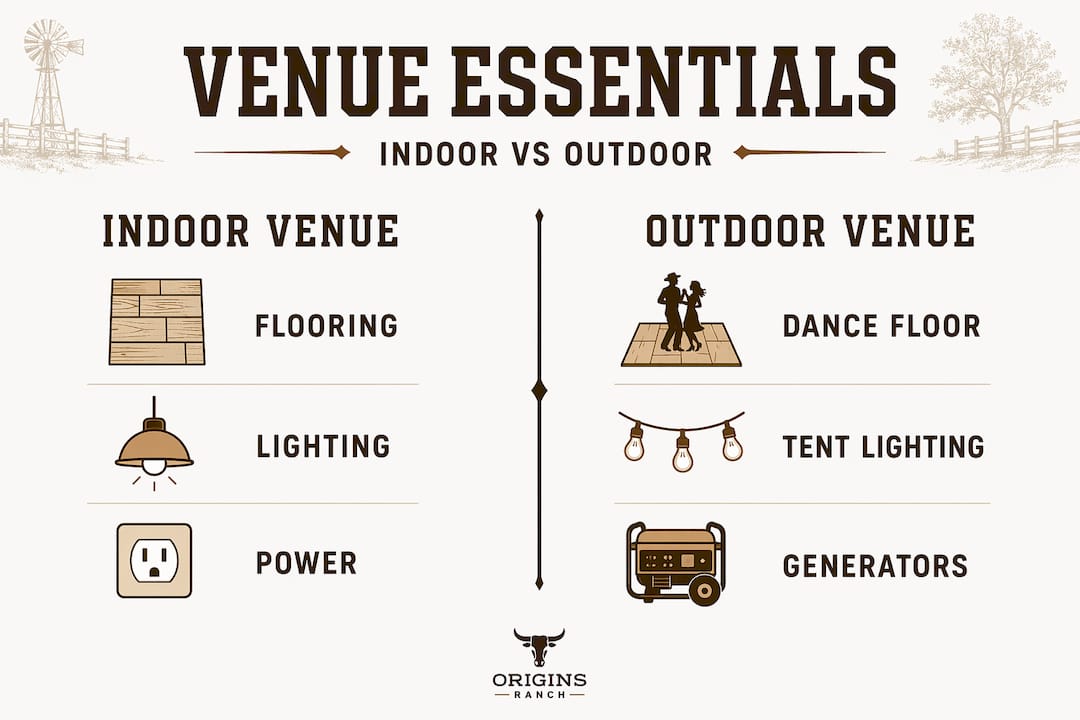
Most outdoor venues require couples to bring in several elements that indoor spaces already have built in. Here is a clear side-by-side comparison of what you are dealing with:
| Need | Indoor venue | Outdoor venue |
|---|---|---|
| Flooring | Fixed, permanent | Often required: dance floor panels, tent flooring |
| Power | Built-in electrical | Generator or external power supply needed |
| Lighting | Overhead fixtures included | String lights, uplighting, and spotlights sourced separately |
| Sound | In-wall speakers common | External PA system and placement planning required |
| Restrooms | Indoor facilities standard | Portable or permanent facilities may need supplementing |
Outdoor weddings require infrastructure investments like specialized flooring and powerful lighting systems that couples frequently underestimate. These are the "invisible costs" that cause budget overruns more than almost anything else.
Catering and floral considerations
Catering an outdoor event adds complexity. Caterers often need satellite kitchen setups, proper cooling for food safety, and access routes that work for service staff without disrupting guest experience. Proper weather contingency and catering infrastructure are among the most critical factors for a smooth outdoor celebration. Discuss these specifics with your caterer early.
For florals, the outdoor environment is both friend and challenge. Hardy flowers like roses and orchids perform better in outdoor heat and humidity than delicate blooms. Choosing the right varieties protects both your investment and the visual impact of your arrangements throughout the day. Similarly, seasonal coordination with weather affects how long arrangements stay fresh and beautiful.
Pro Tip: Ask your venue coordinator what power sources are available on-site before hiring vendors. Many lighting and sound vendors charge significantly more when they need to bring their own generators.
Getting the logistics right from the start is the difference between a day you love and a day you survive. A solid event logistics guide specific to outdoor rustic venues can save you significant time and money during the planning process.
My honest take on outdoor weddings
I have spent over two decades in the event industry, working with couples at every stage of the planning process. What I have learned is this: the couples who have the most magical outdoor weddings are never the ones who thought it would be easy.
The biggest misconception I see is that outdoor means informal and informal means low-effort. That thinking leads to underprepared celebrations. What I have found is that the most successful outdoor weddings come from couples who treat the space as a blank canvas with real requirements, not a shortcut around venue planning.
What I have also seen is how powerfully a great outdoor setting connects people. I have watched guests who had never met become genuine friends over a few hours on an open dance floor under string lights. That does not happen the same way in a hotel ballroom. The space shapes the experience in ways no amount of decor budget can manufacture.
For wedding planners specifically, my advice is to stop presenting outdoor venues as the "relaxed option." Present them as the high-touch, high-reward option. They require more attention before the day and deliver more magic during it. That is an honest trade-off worth making.
— Origins
Plan your outdoor wedding at Originsranch
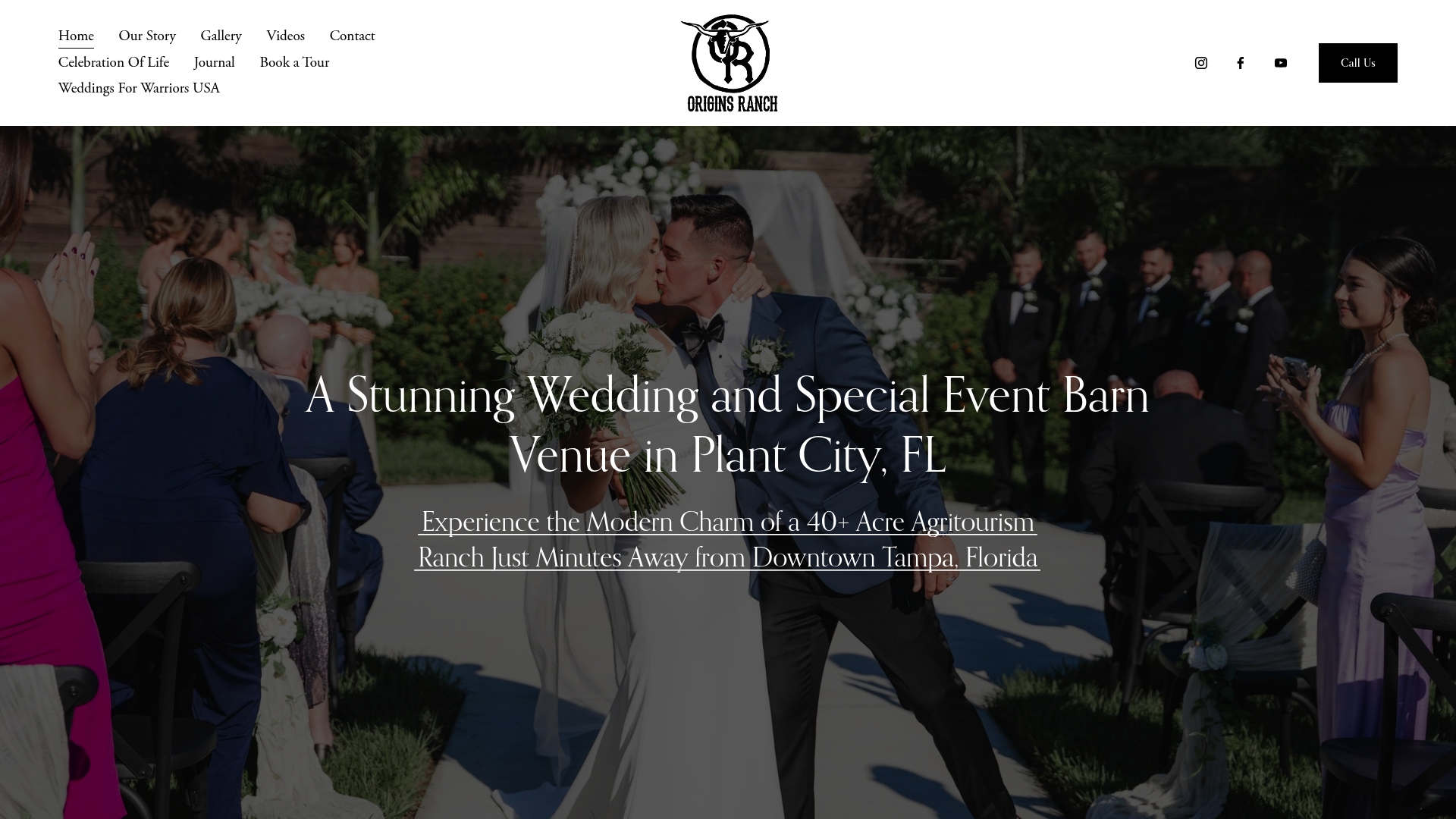
At Originsranch, we understand exactly what it takes to make an outdoor wedding feel effortless. Our property in Plant City, FL was built from the ground up to handle both the beauty and the logistics that outdoor celebrations demand. From the original barn that once housed World Champion horses to our open grounds designed for layered zones and large celebrations, every inch of our venue was shaped with your day in mind.
We offer customizable packages that take the guesswork out of infrastructure, lighting, and layout planning, so you can focus on the details that matter most to you. Explore our wedding packages and pricing to see what is included and what we can build together. You can also browse our venue gallery to see how real celebrations have come to life on our property. Whether you are a couple planning your dream day or a planner looking for a venue that truly delivers, we would love to welcome you to the ranch.
FAQ
Why are outdoor weddings more popular than indoor ones?
Outdoor weddings offer natural beauty, flexible layouts, and a relaxed atmosphere that indoor venues struggle to replicate. With 83% of couples prioritizing venue selection, outdoor spaces win because they support personalization and memorable guest experiences more effectively.
Are outdoor weddings actually less expensive?
Not necessarily. While you may save on decor, outdoor weddings require investments in infrastructure like flooring, power, and lighting that indoor venues already provide. These hidden costs frequently cause budget overruns for couples who do not plan for them in advance.
What is the biggest logistical challenge for outdoor weddings?
Weather contingency is the top logistical concern. A solid plan includes reserved tent structures with flooring, a backup indoor option if available, and a clear communication plan for guests in case conditions change on the day.
What outdoor wedding venue types are most popular in 2026?
Romantic garden venues remain the top choice, followed by rustic barns, vineyard estates, and open ranches. These settings align naturally with trending color palettes like sage green and create the photogenic, experience-focused atmosphere modern couples want.
How far in advance should couples book an outdoor venue?
Most sought-after outdoor venues book 12 to 18 months in advance, especially for peak spring and fall dates. Booking early also gives couples more time to work through infrastructure planning and weather contingency options with their venue coordinator.