
TL;DR:
- Planning your wedding around the season helps protect your budget and guest experience.
- Early bookings, weather backups, and understanding seasonal pros and cons are essential for success.
Seasonal wedding planning is the practice of aligning your venue, décor, florals, and logistics with the specific conditions of your chosen time of year. The season you pick shapes everything from your flower budget to your guests' comfort to the light in your photos. More than 80% of all weddings occur between may and october, which means peak demand drives up prices and shrinks venue availability fast. Smart seasonal wedding planning tips help you work with your season instead of against it, whether you are drawn to spring blooms, summer sunsets, fall foliage, or a cozy winter celebration.
1. What are the key seasonal wedding planning tips for spring?
Spring weddings are defined by mild temperatures, fresh blooms, and the kind of soft natural light that photographers dream about. The season runs roughly from march through may, and it brings some of the most beloved wedding flowers at their peak availability. Spring florals like peonies, tulips, and ranunculus should be booked at least 6 months in advance to lock in pricing and supply. Waiting too long pushes you into costly out-of-season sourcing.
Spring's biggest challenge is unpredictable rain. A sunny forecast can shift within hours, so every outdoor spring ceremony needs a solid indoor backup plan. Wind is also a frequently overlooked weather risk that can force a move indoors even on a clear afternoon.
Popular spring color palettes lean toward blush, sage, lavender, and soft ivory. These tones pair naturally with garden-style tablescapes and loose, romantic floral arrangements. For couples watching their budget, DIY décor and personalized elements are trending strongly in 2026, with colorful gowns and handmade touches replacing formal, cookie-cutter setups.
- Book your florist by the 6-month mark to secure seasonal stems at standard pricing
- Choose a venue with both indoor and outdoor ceremony spaces
- Schedule your ceremony near golden hour for the best natural light
- Build a rain contingency into your vendor contracts before signing
Pro Tip: Scheduling your ceremony near golden hour reduces your need for artificial lighting and cuts photography costs. In spring, golden hour typically falls between 6:30 PM and 7:30 PM depending on your location.
2. How to plan a summer wedding that keeps guests comfortable
Summer weddings run from june through august and offer the longest daylight hours of any season. That extra light gives you flexibility with ceremony timing and creates stunning outdoor photography conditions. The trade-off is heat, humidity, and the peak-season pricing that comes with high demand.
Guest comfort is the top priority at a summer wedding. Shade structures, handheld fans, chilled water stations, and a well-timed ceremony start (before 11:00 AM or after 5:00 PM) all reduce heat stress significantly. Insects are a real concern at outdoor venues, so coordinate with your venue on pest control well ahead of the date.
Over 80% of weddings happen between may and october, and summer sits at the heart of that window. That concentration of demand means venues and top vendors book out months earlier than couples expect. Locking in your venue and photographer 12 to 18 months out is not excessive for a summer date. It is the standard timeline that experienced planners follow.
- Book your venue and primary vendors 12–18 months in advance
- Schedule the ceremony before 11:00 AM or after 5:00 PM to avoid peak heat
- Provide shade, fans, and cold water at the ceremony and cocktail hour
- Choose breathable fabrics for wedding party attire
- Coordinate pest control with your venue at least 30 days before the event
- Confirm a weather contingency plan in writing with your venue
Pro Tip: Ask your venue about their indoor backup capacity before you sign. Outdoor ceremonies can be moved inside quickly when the space is already set up and ready.
3. Fall wedding planning tips for embracing natural beauty
Fall is the most popular wedding season in the United States. Venues should be booked 15–18 months in advance for fall dates because demand is that competitive. The appeal is obvious: comfortable temperatures, dramatic foliage, and a color palette that practically decorates itself.
Jewel tones like burgundy, burnt orange, deep plum, and forest green work beautifully against autumn backdrops. Couples planning country-style fall weddings often lean into the natural setting with wooden accents, dried florals, and warm candlelight. The season's shorter days do require careful ceremony timing. Sunset arrives earlier in october and november, so plan your outdoor ceremony to finish before 5:00 PM if you want natural light for portraits.
Fall also brings football season, harvest festivals, and local events that compete for guest travel and parking. Check local community event calendars 6–12 months in advance to avoid scheduling conflicts that strand guests in traffic or fill up nearby hotels.
| Planning Factor | Fall Recommendation |
|---|---|
| Venue booking timeline | 15–18 months in advance |
| Ceremony end time | Before 5:00 PM for natural light |
| Color palette | Burgundy, burnt orange, deep plum, forest green |
| Seasonal florals | Dahlias, marigolds, dried grasses, eucalyptus |
| Guest logistics | Check local event calendars 6–12 months out |
- Confirm your venue's indoor backup option for unexpected cold snaps
- Plan a warm seasonal menu with hearty appetizers and spiced cocktails
- Warn out-of-town guests early about hotel availability near popular fall venues
- Coordinate with your photographer on the earlier sunset timeline
4. Why choose a winter wedding and how to plan for it
Winter weddings are defined by off-peak pricing and an intimacy that no other season quite matches. January through march offers the lowest venue and vendor costs of the entire year, with better availability across photographers, caterers, and florists. That budget flexibility lets couples redirect savings toward upgraded food, a live band, or a honeymoon.
The holiday season adds natural charm to december weddings. Venues are already dressed with warm lighting and seasonal décor, which reduces your own decoration spend. The challenge is that december competes with family travel schedules and holiday parties, so send save-the-dates at least 8 months out.
Winter weddings carry real weather risks, especially in northern states. Snow and ice can delay guests or disrupt vendor arrivals. Choosing a venue with strong indoor spaces and flexible timing policies protects your day. In warmer climates like central Florida, winter is genuinely mild and outdoor ceremonies remain fully viable.
- Lean into cozy ambiance with candlelight, velvet linens, and warm drink stations
- Offer hot cocoa, mulled cider, or a signature warm cocktail at the cocktail hour
- Build travel buffer time into your schedule for guests coming from out of town
- Confirm vendor cancellation and rescheduling policies before signing contracts
Pro Tip: Winter weddings in mild climates like Plant City, FL give you off-peak pricing without the cold weather risk. Originsranch hosts beautiful winter events year-round, with both indoor and outdoor spaces ready for any forecast.
5. How to choose the best season for your wedding
Choosing your wedding season comes down to four factors: budget, weather reliability, venue availability, and the atmosphere you want to create. No season is objectively best. Each one trades something for something else.
| Season | Cost Level | Weather Reliability | Venue Availability | Atmosphere |
|---|---|---|---|---|
| Spring | Moderate | Moderate (rain risk) | Good | Fresh, romantic |
| Summer | High | High (heat risk) | Limited | Bright, festive |
| Fall | High | High | Very limited | Warm, dramatic |
| Winter | Low | Variable | Excellent | Intimate, cozy |
Regional climate matters more than most couples realize. A summer wedding in coastal Maine feels nothing like one in central Florida. Venue accessibility and local event conflicts affect guest experience regardless of season, so research your area's calendar before committing to a date.
Vendor flexibility and venue adaptability are the two factors that protect you when the season does not cooperate. Prioritize venues that offer both indoor and outdoor options, and choose vendors who have clear weather contingency policies in their contracts.
Pro Tip: If your heart is set on a popular season like fall, start your venue search before you set a date. Locking in the venue first gives you a real date to work backward from when booking all other vendors.
Key takeaways
Aligning your wedding plans with your chosen season's specific conditions is the single most effective way to protect your budget, your guest experience, and your day.
| Point | Details |
|---|---|
| Book early for peak seasons | Fall and summer venues fill 15–18 months out; start your search before setting a date. |
| Confirm florals 6 months ahead | Seasonal flowers like peonies and dahlias must be reserved early to avoid premium sourcing costs. |
| Always have a weather backup | Wind, rain, and heat can disrupt any outdoor ceremony regardless of season. |
| Winter offers real savings | January through march delivers the lowest venue and vendor pricing of the year. |
| Match your season to your style | Each season creates a distinct atmosphere; choose the one that reflects who you are as a couple. |
What we have learned from seasons of real weddings at Originsranch
After years of hosting weddings across every season here at Originsranch, the one thing I keep coming back to is this: the couples who enjoy their day the most are the ones who planned with their season, not against it.
I have seen summer couples try to force a formal black-tie outdoor reception in the florida heat. The guests were miserable by cocktail hour. I have also seen winter couples lean fully into the cozy barn atmosphere with warm lighting, hot cider, and a fire pit outside, and those receptions feel genuinely magical. The season is not a constraint. It is part of the design.
The other thing I will say plainly: weather surprises happen in every season. Wind is the one that catches people off guard most often. A beautiful clear day can still send a tent sideways or scatter ceremony programs across a field. Having a real indoor backup, not just a "we'll figure it out" plan, is what separates a stressful moment from a funny story you tell at the anniversary dinner.
My honest advice is to stop chasing the "perfect" season and start asking which season fits your personality and your guest list. If your family travels from out of state, winter's lower hotel rates and open vendor calendars might serve you better than a crowded fall weekend. If you love dramatic photos and don't mind booking early, fall at a barn venue like Originsranch is genuinely hard to beat.
— Origins
Originsranch is ready for your wedding, whatever the season
Originsranch sits on a stunning property in Plant City, FL, where the mild climate makes outdoor ceremonies possible nearly year-round. Our barn venue blends modern elegance with genuine rustic character, and our team has the experience to help you plan around any season's unique demands.
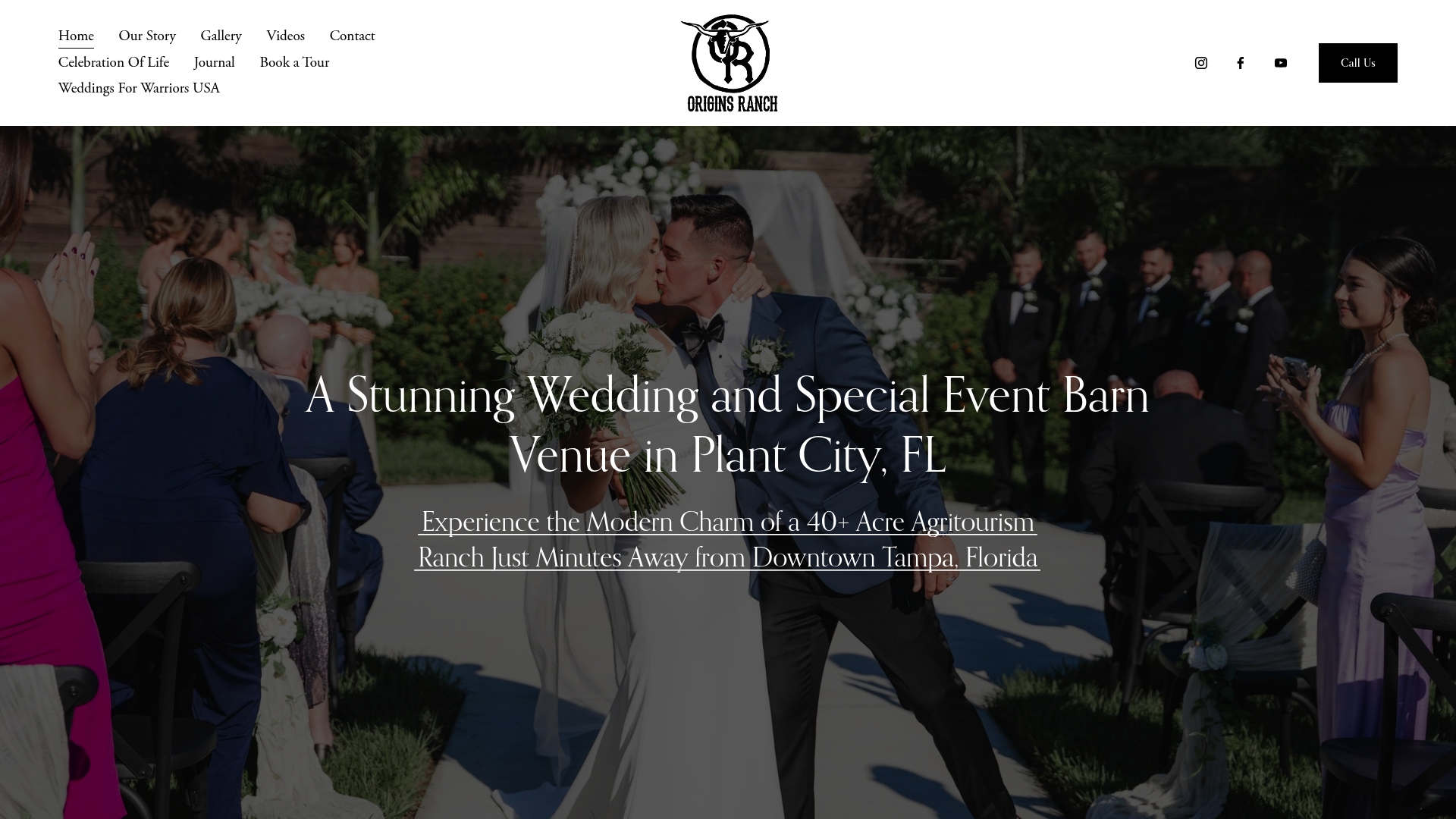
Whether you are drawn to spring blooms, summer sunsets, fall foliage, or a cozy winter celebration, our seasonal wedding gallery shows exactly what each season looks like on our property. Our founder Barry brings over 20 years in the event industry to every consultation, and our team coordinates directly with vendors on logistics, timing, and contingency plans. If you or your partner serve in the military, our Weddings for Warriors program is dedicated to making your dream wedding a reality. Reach out to us and let's start planning your perfect day together.
FAQ
What season is the most affordable for a wedding?
Winter is the most affordable wedding season. January through march delivers the lowest venue and vendor pricing of the year due to off-peak demand.
How far in advance should I book a fall wedding venue?
Book a fall venue 15–18 months in advance. Fall is the most popular wedding season, and top venues fill up faster than any other time of year.
What flowers are best for a spring wedding?
Peonies, tulips, and ranunculus are the top choices for spring weddings. Confirm availability with your florist at least 6 months before your date to secure standard pricing.
Do I need a weather backup plan even in reliable seasons?
Yes. Wind, heat, and unexpected rain can disrupt outdoor ceremonies in any season. Every outdoor wedding needs a confirmed indoor backup option in writing.
How do I pick the right wedding season for my budget and style?
Compare your priorities across cost, weather reliability, venue availability, and atmosphere. Winter offers savings and intimacy; fall offers drama and beauty at a premium price and booking timeline.