
TL;DR:
- Choosing a wedding DJ requires evaluating experience, personality, equipment, and planning to ensure a smooth, memorable reception. A professional DJ manages music and acts as the MC, with experience and backup gear being essential for handling family dynamics and technical failures. Proper pre-event planning and a firm music deadline protect the event's success and guest enjoyment.
Selecting the right wedding DJ is the single most important entertainment decision you will make for your reception. A skilled DJ does far more than play music. They serve as your master of ceremonies, timeline manager, and crowd reader all at once. Professional wedding DJs typically cost between $1,200 and $3,500, a fraction of what a live band runs, yet they deliver continuous music and polished MC work throughout your entire event. This guide walks you through every factor that matters: experience, personality fit, equipment quality, and the planning process that separates a forgettable night from one your guests talk about for years.
What does a wedding DJ selection guide actually cover?
The wedding DJ selection process is a structured evaluation of four core criteria: experience, personality, equipment, and preparation. Most couples focus only on price and music taste. That leaves out the factors that actually determine whether your reception flows beautifully or falls apart at the seams.
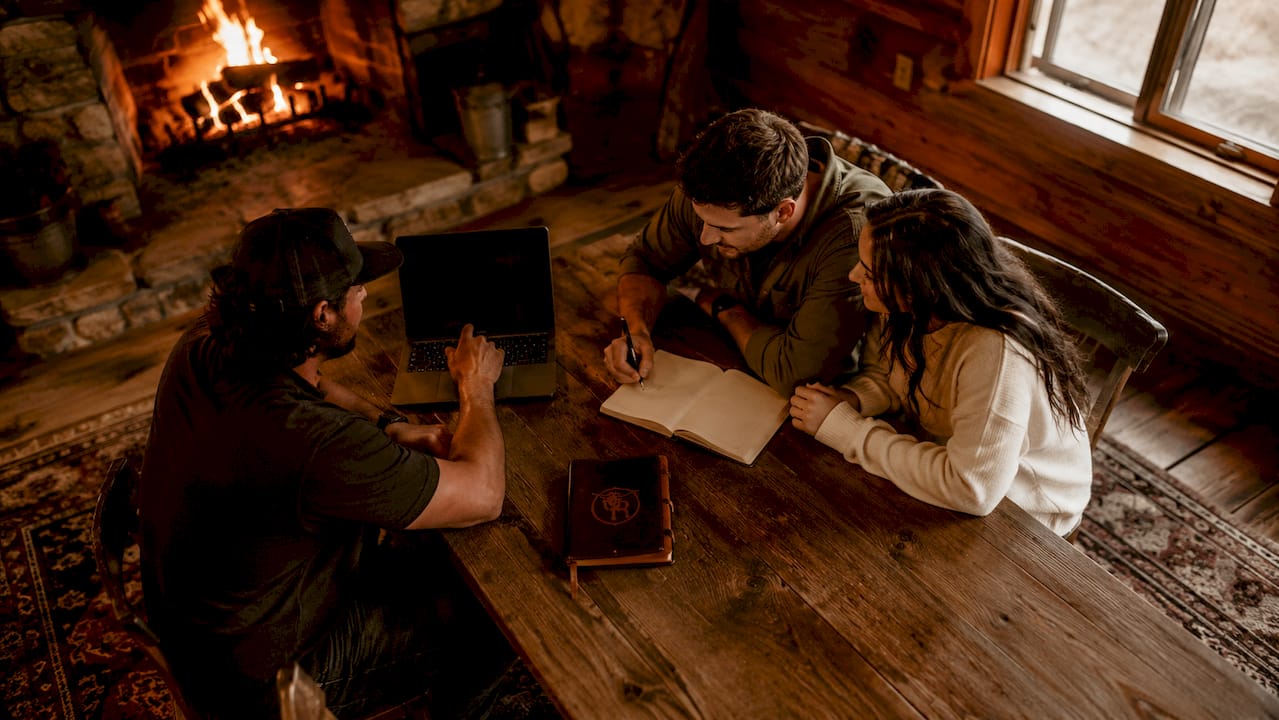
A professional wedding DJ fills a dual role. They manage your music and act as your event MC, calling guests to the dance floor, announcing the cake cutting, and keeping your timeline on track. That coordination function is often more critical than mixing skill for a wedding setting. A nightclub DJ who can blend tracks flawlessly may still struggle to manage a room full of grandparents, toddlers, and college friends at the same time.
The hybrid band and DJ approach has grown popular for couples who want live energy during the ceremony and cocktail hour, then continuous music through the reception. Knowing this option exists changes how you budget and plan from the start.
What experience and qualifications matter when choosing a wedding DJ?
Wedding DJ experience is not interchangeable with general DJ experience. The recommended baseline is 50–100 weddings before a DJ can reliably manage the emotional pacing, family dynamics, and live announcements that weddings demand. A DJ who has worked 500 club nights may still freeze when a flower girl has a meltdown mid-processional or when the best man's toast runs eight minutes over.
Wedding-specific skills vs. general DJ skills
| Skill area | Wedding DJ | General DJ |
|---|---|---|
| MC announcements | Trained and scripted | Rarely practiced |
| Emotional pacing | Reads room across generations | Reads crowd for energy only |
| Family coordination | Experienced with family dynamics | Not applicable |
| Equipment backup | Redundant gear standard | Often single setup |
| Vendor communication | Coordinates with caterer, planner | Works independently |
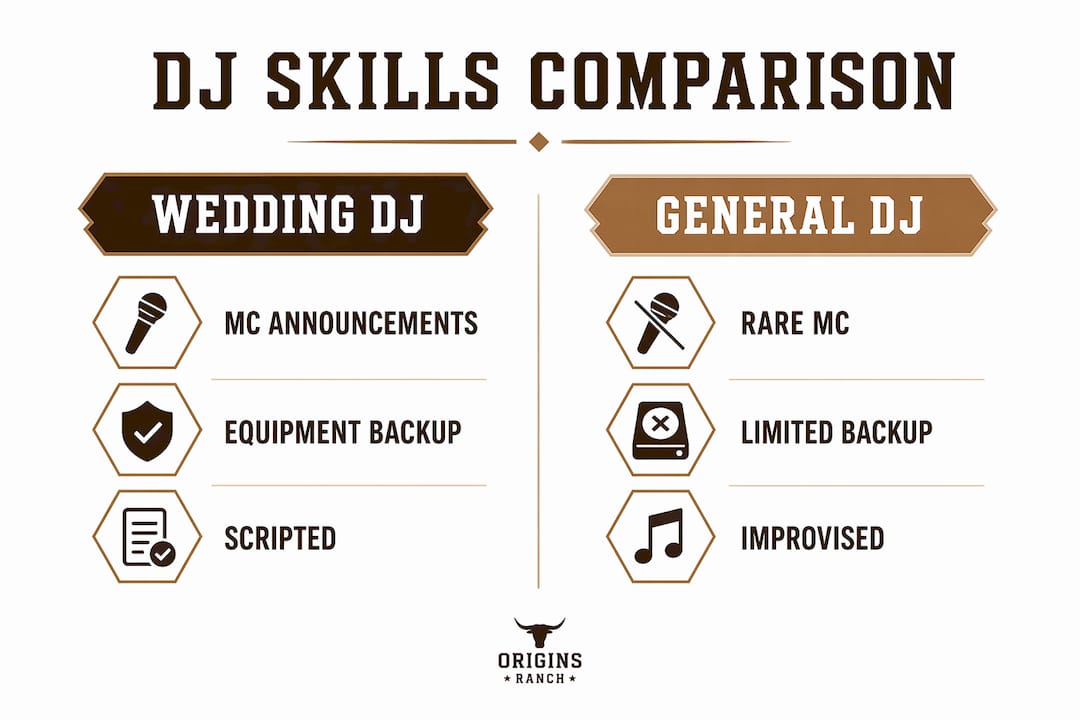
Beyond experience count, ask about liability insurance and equipment redundancy. A professional carries both. An uninsured DJ creates a liability gap at your venue, and a DJ with no backup gear turns a blown speaker into a silent reception.
Certifications from organizations like the American Disc Jockey Association signal a commitment to professional standards. They are not mandatory, but they indicate the DJ takes the craft seriously enough to invest in ongoing education.
Pro Tip: Ask every DJ candidate how many weddings they have performed in the past 12 months specifically. A DJ who did 80 weddings five years ago but has since shifted to corporate events may be rusty on the emotional nuances that weddings require.
How do you assess a wedding DJ's personality and communication style?
Good communication before booking predicts how well a DJ will manage your event on the day. If a DJ takes four days to return your inquiry email, that response time tells you exactly how they will handle a last-minute timeline change at your reception.
Personality fit matters because your DJ will be the most visible vendor in the room for five or six hours. Guests will hear their voice more than anyone else's except the officiant. A DJ who is warm, calm, and confident puts a room at ease. One who is awkward on the microphone or overly casual creates friction that guests feel even if they cannot name it.
Key personality traits to look for
- Listens more than they talk during your consultation
- Asks specific questions about your vision, not just your playlist
- Responds to your messages within 24 hours
- Speaks clearly and confidently when you ask them to demonstrate an announcement
- Shows genuine enthusiasm for your specific event, not a generic sales pitch
- Handles hypothetical problems (late caterer, drunk uncle) with calm, practical answers
During your consultation, ask the DJ to walk you through how they handle a guest song request that conflicts with your do-not-play list. A professional vets requests tactfully without killing dance floor energy or embarrassing the guest. Their answer reveals both their professionalism and their people skills.
Pro Tip: Bring a short list of three to five songs you love and three you absolutely cannot stand to your first meeting. Watch how the DJ responds. Do they ask why? Do they take notes? Their reaction tells you more about their listening skills than any question you could ask directly.
What equipment should a professional wedding DJ bring?
Equipment quality directly affects sound quality, and sound quality affects how much your guests enjoy the night. A professional wedding DJ arrives with a setup matched to your venue's size and layout. A 200-person barn reception needs a different speaker configuration than a 60-person garden ceremony.
Standard equipment vs. optional add-ons
| Equipment | Standard | Optional add-on |
|---|---|---|
| Professional PA speakers | Yes | N/A |
| Wireless microphones (2+) | Yes | N/A |
| Backup laptop and controller | Yes | N/A |
| Offline music library | Yes | N/A |
| Uplighting | No | Recommended |
| Photo booth integration | No | Optional |
| Ceremony speaker system | Depends on package | Often separate |
| Intelligent dance floor lighting | No | Popular upgrade |
Testing wireless microphones with each toast speaker before the reception starts is non-negotiable for professional sound. Every speaker has a different vocal tone and distance from the microphone. A soundcheck catches EQ issues before they become embarrassing live moments during your father's toast.
Ask your DJ directly whether they carry a backup laptop, backup controller, and a secondary music source. Equipment fails. The question is not whether it can happen but whether your DJ is prepared when it does. Any DJ who cannot describe their backup plan clearly is not ready for a professional wedding.
Pro Tip: If your venue has known Wi-Fi dead zones or spotty cellular service, confirm your DJ maintains a full offline music library. Streaming-dependent setups are a real risk at rural or barn venues where connectivity is unpredictable.
How do you plan and collaborate with your wedding DJ for the best results?
The 90/10 rule defines professional wedding DJ success: 90% of the outcome is determined by preparation before the event, and only 10% by what happens on the day itself. That means your planning conversations with your DJ are more valuable than any single song choice.
The standard planning timeline calls for a formal client consultation 4–6 weeks before your wedding to finalize music choices, the event timeline, and your do-not-play list. Use that meeting to build your must-play list for key moments: processional, recessional, first dance, parent dances, cake cutting, and last song.
Here is the planning sequence that works best from booking to event day:
- Book your DJ at least 9–12 months before your wedding date to secure your preferred professional.
- Share your vision in writing after booking. Include genre preferences, energy level goals, and any cultural or family traditions.
- Schedule your planning consultation 4–6 weeks out to finalize the full timeline and coordinate with vendors.
- Build your must-play list for every key moment. Be specific: artist name, song title, and version.
- Build your do-not-play list. This is equally important. A professional DJ respects this list without exception.
- Set a music lockdown date 7 days before the wedding. No new song requests after this point. This prevents last-minute chaos and gives your DJ time to prepare transitions.
- Share the written timeline with your DJ, caterer, and photographer so every vendor works from the same schedule. A well-built wedding timeline is the backbone of a smooth event.
- Confirm arrival and setup time with your DJ at least one week out. They should arrive 90 minutes before guests to set up, soundcheck, and test all microphones.
The music lockdown date is one of the most underused tools in wedding planning. It protects your DJ's preparation time and prevents the stress of fielding requests from well-meaning relatives the night before your wedding. Treat it as a firm deadline, not a suggestion.
Key Takeaways
The most effective wedding DJ selection combines verified experience, strong personal chemistry, professional equipment, and structured pre-event planning to deliver a reception your guests will remember.
| Point | Details |
|---|---|
| Experience baseline matters | Prioritize DJs with at least 50–100 weddings to handle MC duties and family dynamics confidently. |
| Personality predicts performance | A DJ's communication style before booking reflects how they will manage your event on the day. |
| Equipment redundancy is non-negotiable | Confirm backup gear, offline music libraries, and soundcheck protocols before signing any contract. |
| Planning drives the outcome | The 90/10 rule holds: thorough pre-event preparation determines 90% of your reception's success. |
| Music lockdown protects your day | Set a firm deadline 7 days before the wedding to finalize all songs and avoid last-minute chaos. |
What I have learned after 20 years in the event industry
After more than two decades working in the event service industry, including hundreds of weddings at Originsranch and beyond, the pattern is clear. Couples who have a great reception almost always chose their DJ based on connection and preparation, not price. Couples who regret their choice almost always went with the lowest bid or skipped the in-person consultation.
The chemistry conversation is not soft or subjective. It is practical. When you sit across from a DJ and feel genuinely heard, that feeling translates directly into how they will handle your guests, your timeline, and the unexpected moments that every wedding produces. A DJ who listens well in a consultation listens well when the caterer runs 20 minutes behind and the first dance needs to shift.
The trend toward hybrid band and DJ setups is worth considering if your budget allows. Live music during cocktail hour creates a warmth that recorded music cannot fully replicate. A DJ then carries the reception with energy and flexibility that a band cannot match. The combination gives you the best of both worlds without the full cost of a band for the entire evening.
One more thing: do not skip the DJ's role at your specific venue type. A barn or outdoor venue has acoustic challenges that an experienced wedding DJ anticipates. They adjust speaker placement, manage ambient noise, and test microphones in the actual space. That venue-specific knowledge is worth more than a lower price from someone who has never worked outside a hotel ballroom.
— Origins
Originsranch: where your wedding vision comes to life
At Originsranch in Plant City, FL, we know firsthand what a skilled wedding DJ brings to a celebration. Our founder Barry has over 20 years of experience in the event service industry and has seen every scenario a wedding day can produce. We work with professional DJs who understand barn acoustics, outdoor sound challenges, and the art of reading a crowd across generations.
Our reception gallery shows real weddings at Originsranch, including DJ setups that transformed our barn into a dance floor that guests never wanted to leave. If you are a veteran or active duty service member, our Weddings For Warriors program is dedicated to helping you have the dream wedding you deserve. We would love to be part of your story.
FAQ
How much does a wedding DJ cost on average?
Wedding DJs typically cost between $1,200 and $3,500, compared to live bands that average $4,000 to $12,000 or more. The price varies based on experience, location, and the length of your event.
How many weddings should a DJ have performed before I hire them?
The recommended experience baseline is at least 50–100 weddings. That volume of experience prepares a DJ to handle MC duties, family dynamics, and live announcements with confidence.
What questions should I ask a wedding DJ before booking?
Ask about their backup equipment plan, how they handle do-not-play list violations, and how many weddings they have performed in the past year. Their answers reveal professionalism and preparedness far better than a demo reel.
When should I finalize my wedding music with my DJ?
Set a music lockdown date 7 days before your wedding and hold a formal planning consultation 4–6 weeks out. This timeline gives your DJ enough preparation time to build smooth transitions for every key moment.
Do I need a DJ if I already have a live band?
A DJ and live band serve different functions. Many couples use a live band for the ceremony and cocktail hour, then bring in a DJ for the reception to maintain continuous music and professional MC coverage throughout the night.