
TL;DR:
- Wedding insurance safeguards your financial investment through cancellation and liability coverage, each with specific limits and eligible events. You should purchase it immediately after your first deposit to ensure coverage for unforeseen issues and to meet venue requirements. It is essential to understand exclusions like change of heart or pre-existing conditions and to keep documentation for valid claims.
Wedding insurance is a specialized policy designed to protect your financial investment and legal liability when something goes wrong before or during your wedding day. It splits into two distinct coverage types: cancellation/postponement insurance and liability insurance. Liability coverage limits typically start at $1 million per occurrence, while costs range from $75 to $600 depending on the policy. Understanding both types, their limits, and when to buy them is the single most important step you can take after booking your first vendor.
What is wedding insurance coverage, and what does it protect?
Wedding insurance coverage falls into two categories that serve completely different purposes. Cancellation/postponement insurance reimburses your non-refundable deposits when an unforeseen event forces you to cancel or delay. Liability insurance pays for injuries, property damage, and legal defense costs that arise during your event. Cancellation and liability insurance serve fundamentally different purposes, and couples who buy only one type often discover the gap too late.

Cancellation and postponement coverage
Cancellation coverage kicks in when circumstances outside your control derail the wedding. Covered events typically include severe weather, a key vendor going out of business, sudden illness, or military deployment. Some policies also cover stolen gifts, damaged wedding attire, and lost rings. That breadth of protection matters because the average wedding involves deposits spread across a caterer, photographer, florist, band, and venue, all of which may be non-refundable.
Vendor failure coverage includes vendors that go out of business or fail to appear unexpectedly, reimbursing deposits and sometimes replacement costs. Policies may require that the failure happened due to circumstances beyond the vendor's control, not simply poor performance. That distinction is worth reading carefully before you sign.
Liability coverage
Liability insurance covers claims like guest injuries or property damage occurring at the wedding. Covered costs include medical bills, legal defense fees, and repair costs for damages like spilled drinks or broken furniture. Injuries to the couple themselves are typically excluded, as are intentional acts.
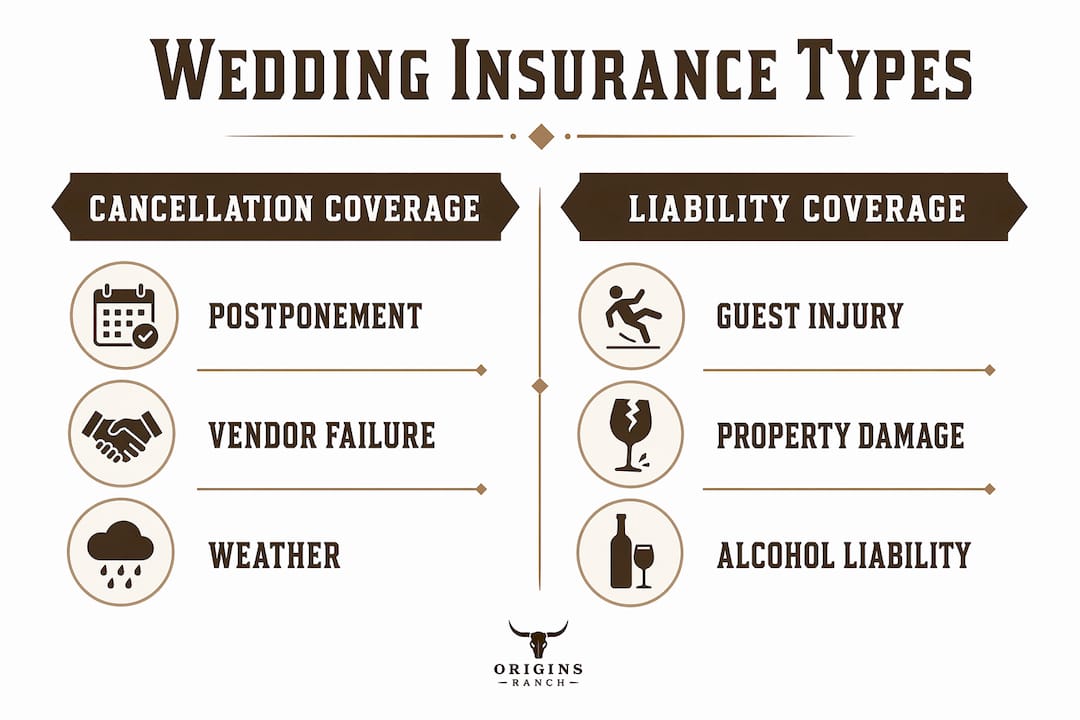
If your event includes alcohol, standard liability limits may not be enough. Liability coverage standard limits start at $1 million, with options to increase when alcohol is served or special activities are held. A host liquor liability rider can be added to cover alcohol-related claims specifically. That add-on is worth considering for any reception where an open bar is part of the plan.
Pro Tip: Ask your insurer to send you a sample policy before you pay. Read the definitions section first. The way a policy defines "unforeseen event" determines almost everything about what gets paid.
Do I need wedding insurance, and what factors should I consider?
The short answer is yes, and the reason comes down to how much money you stand to lose. Weddings involve multiple non-refundable deposits paid months in advance, and rising wedding costs make insurance a critical financial risk management tool. The larger your budget, the more exposure you carry.
Four factors determine how urgently you need coverage:
- Total non-refundable deposits. Add up every deposit you have paid or plan to pay. That number represents your maximum financial loss if the wedding cannot happen. If the total exceeds what you could absorb without serious hardship, insurance is not optional.
- Venue requirements. Most venues require couples to provide liability insurance with limits of at least $1 million. Check your venue contract before assuming you are covered. Understanding venue liability requirements in your state helps you buy the right policy from the start.
- Alcohol service. Events serving alcohol carry a higher risk of guest injury or property damage. Standard liability limits may not satisfy your venue's requirements if alcohol is involved.
- Special activities. Photo booths, fireworks, live animals, and outdoor ceremonies in unpredictable climates all raise your risk profile. Each activity can affect both the type of coverage you need and the premium you pay.
Venue insurance protects the venue owners, not the couple. Couples remain legally liable for guest injuries and damages, which is why a certificate of liability insurance is frequently required before the event can proceed. Do not assume the venue's policy has you covered. It does not.
When and how to buy wedding insurance for the best protection
Timing is the most overlooked part of buying wedding coverage. Buy insurance immediately after your first deposit, because coverage only applies to unforeseen events that occur after the policy start date. A vendor who was already in financial trouble before you bought the policy will not be a covered loss.
Most couples wait too long. They treat insurance as a last-minute task, then discover that a known risk disqualifies their claim. Insurers deny claims for risks that were known before the policy was purchased. That rule applies to weather forecasts, vendor closures, and health conditions alike.
When you are ready to compare policies, focus on these specifics:
- Coverage limits. Confirm the cancellation limit matches your total non-refundable exposure.
- Liability limits. Check that the per-occurrence limit meets your venue's minimum requirement.
- Deductibles. A lower premium with a high deductible may cost more when you actually file a claim.
- Named exclusions. Read every exclusion. Policies vary widely on what counts as a covered reason for cancellation.
- Rider options. Host liquor liability, honeymoon cancellation, and wedding attire coverage are common add-ons worth pricing out.
Pro Tip: Calculate your total non-recoverable financial exposure before you shop. Add every deposit, prepaid vendor fee, and non-refundable venue cost. That number is your minimum cancellation coverage target.
Costs for liability insurance run $75–$300, while cancellation insurance runs $100–$600. Bundle policies typically fall in the $200–$500 range. Understanding wedding venue terminology around contracts and deposits helps you calculate that exposure accurately.
Common exclusions and pitfalls in wedding insurance policies
Knowing what a policy does not cover is just as important as knowing what it does. Wedding insurance policies share several standard exclusions that catch couples off guard.
- Change of heart. Wedding insurance does not cover cancellations due to the couple's own decision to call off the wedding, regardless of the reason.
- Pre-existing conditions. Illness known before the policy purchase date is typically excluded unless the policy specifically states otherwise.
- Foreseeable weather. A hurricane that was already named and tracked before you bought the policy is not an unforeseen event. Buy coverage before storm season if your wedding falls in a high-risk period.
- Vendor underperformance. A photographer who delivers blurry photos or a caterer who serves cold food is not a covered vendor failure. Coverage applies to vendors who fail to appear or go out of business, not those who disappoint.
- Venue's own insurance. Couples remain legally liable for incidents at the venue. The venue's policy protects the venue owner, not you.
- Undocumented claims. Claims require documentation such as medical records, official closure notices, or weather service reports to validate eligibility. Keep records of everything from the moment you book.
The documentation requirement surprises many couples. If a vendor closes and you cannot produce proof of the closure, your claim may be denied even if the loss is real. Start a dedicated folder for every contract, receipt, and correspondence from day one.
Key Takeaways
Wedding insurance protects your financial investment and legal liability through two distinct policy types: cancellation/postponement coverage and liability coverage, each requiring careful timing and documentation to be effective.
| Point | Details |
|---|---|
| Two coverage types | Cancellation/postponement and liability insurance serve different purposes; buy both for full protection. |
| Buy after first deposit | Coverage only applies to unforeseen events after the policy start date, so purchase immediately. |
| Venue liability is yours | Venue insurance protects the venue owner, not you; couples need their own liability certificate. |
| Document everything | Claims require proof such as medical records or official notices; keep records from day one. |
| Match limits to exposure | Set your cancellation limit equal to your total non-refundable deposits to avoid a coverage gap. |
Why we think wedding insurance belongs in your first planning conversation
At Originsranch, we have seen couples plan every detail of their wedding with extraordinary care and then treat insurance as an afterthought. That pattern worries us, because the financial exposure is real from the moment the first deposit clears.
The most common misconception we encounter is that venue insurance covers the couple. It does not. Couples who arrive without their own liability certificate often face a scramble right before their event. We address this directly with every couple we work with, because we want your day to go smoothly from the first conversation to the last dance.
The second misconception is that insurance is only worth buying for large weddings. A modest wedding with $8,000 in non-refundable deposits carries real risk. A vendor closure or a sudden illness can wipe out that money with no recourse if there is no policy in place.
Our honest advice: treat insurance like you treat your venue deposit. It is not optional. Buy it the same week you sign your first vendor contract, confirm your liability limits match what your venue requires, and read the exclusions before you assume you are covered. The cost is small compared to what you stand to lose. Peace of mind on your wedding day is worth every dollar.
— Origins
Planning your wedding at Originsranch
Originsranch is a barn wedding venue in Plant City, FL, built on the grounds of a former World Champion Horse Ranch. We understand what it takes to host a flawless event, and that includes knowing exactly what our couples need before they arrive.
Every couple who books with us receives clear guidance on venue requirements, including liability insurance minimums, so there are no surprises on the day. Our founder Barry brings over 20 years of event industry experience to every wedding, and his charity, Weddings For Warriors, is dedicated to helping veterans and active duty service members celebrate their dream day. Browse our 2025 and 2026 wedding gallery to see the magic we create, and visit our full gallery to picture your own celebration at the ranch.
FAQ
What does wedding insurance typically cover?
Wedding insurance typically covers two areas: cancellation or postponement due to unforeseen events like severe weather, vendor failure, or illness, and liability for guest injuries or property damage during the event.
How much does wedding insurance cost?
Liability insurance costs $75–$300, cancellation insurance costs $100–$600, and bundled policies typically run $200–$500 depending on coverage limits and add-ons.
When should I buy wedding insurance?
Buy wedding insurance immediately after paying your first vendor deposit. Insurers deny claims for risks that were known before the policy start date, so earlier is always better.
Does my venue's insurance cover me as a couple?
No. Venue insurance protects the venue owner, not the couple. Couples remain legally liable for guest injuries and damages and typically must provide their own certificate of liability insurance.
What is not covered by wedding insurance?
Standard exclusions include change of heart cancellations, pre-existing health conditions, foreseeable weather events, and vendor underperformance. Claims also require documented proof to be valid.