Book your wedding venue well in advance before your wedding date. That single decision protects your preferred date, locks in current pricing, and gives every other planning task a firm foundation to build on.
Here is what early booking gives you at a glance:
- Date security: Peak season weekends in spring (march through may) and autumn (september through november) fill up fast, often a year or more out.
- Price protection: Securing your venue early locks in current rates before annual increases take effect.
- Planning clarity: A confirmed venue date lets you send save-the-dates, finalize your guest list, and begin vendor outreach without delay.
- Vendor access: Photographers, caterers, and DJs can only confirm their calendars once your venue date is set.
- Peace of mind: Knowing your venue is secured frees you to focus on the creative details that make your wedding uniquely yours.
The recommended booking window reflects how quickly the best venues fill their calendars, especially for Saturday evenings during peak seasons. If you are dreaming of a spring or autumn wedding, waiting even a few months too long can mean your first-choice venue is simply gone.
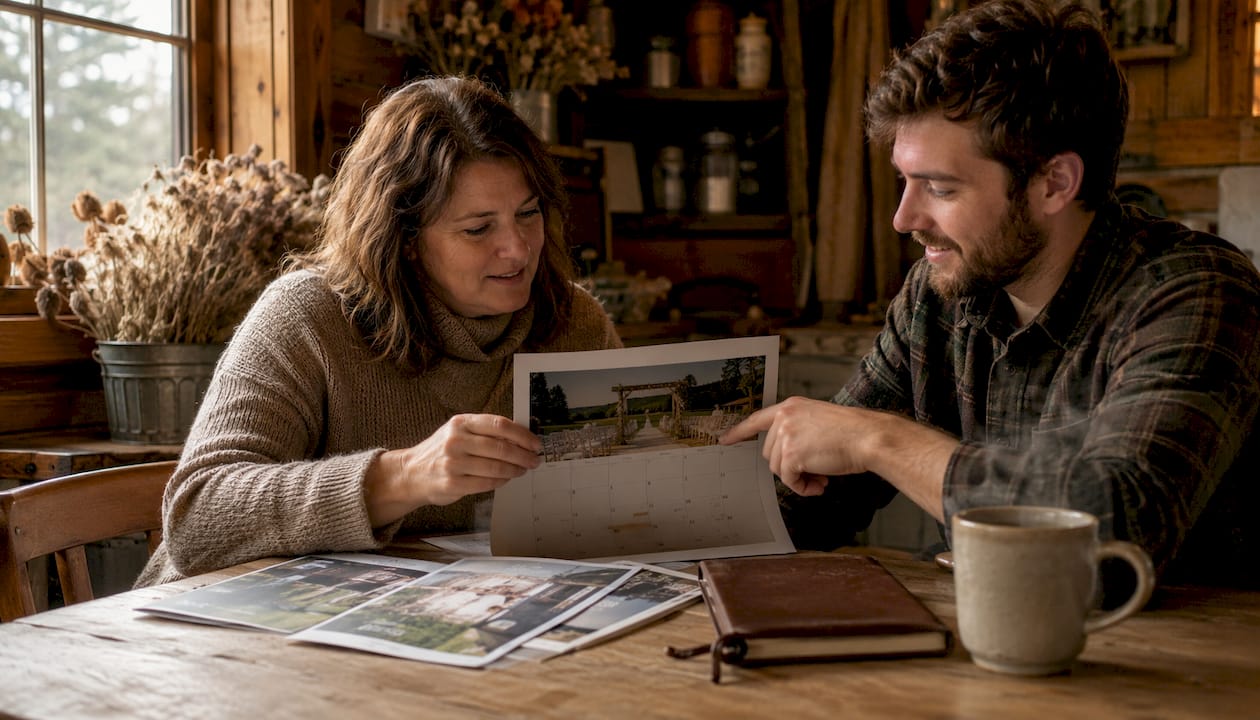
Why booking your wedding venue early is the smartest move you can make
The most compelling reason to secure your venue in advance is availability, plain and simple. Popular venues fill months or even years ahead of peak dates, and once a Saturday is gone, it is gone. Choosing to act early means you are selecting from the full calendar, not whatever happens to be left.

Beyond availability, early booking works as a financial tool. Venues raise their rates over time as demand grows and dates fill. Booking early locks in current rates before those increases hit, and it gives you room to compare packages without the pressure of a ticking clock.
There is also the matter of layout and configuration. Most venues operate on a first-come, first-served basis not just for dates but for specific room setups like an outdoor ceremony paired with a barn reception. Waiting means those configurations may already be claimed by another couple.
Then comes what planners call the vendor domino effect. Once your venue date is confirmed, caterers, photographers, and DJs can confirm their own availability and begin planning around your day. Without that anchor, every vendor conversation stalls. Early booking sets the whole chain in motion.
Finally, there is the emotional side of planning. Knowing your venue is secured eliminates one of the biggest stress factors in wedding planning and frees you to focus on the details that genuinely excite you.
A practical timeline for booking your wedding venue
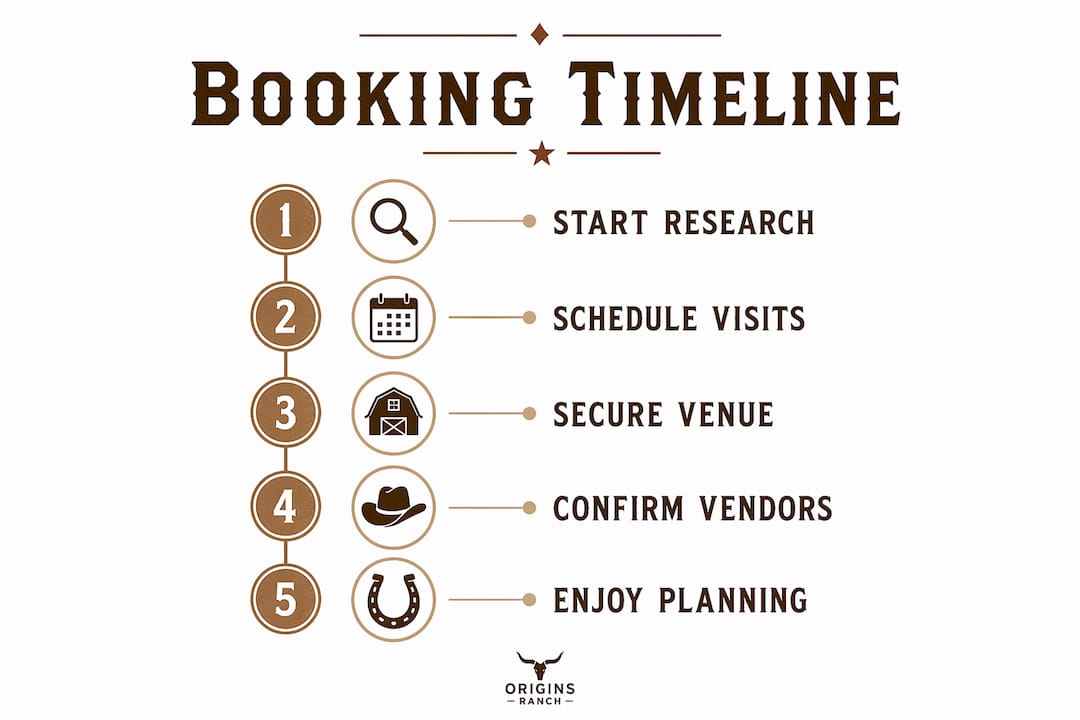
Getting the timing right means working backward from your wedding date with intention, not urgency. Here is a clear sequence to follow:
- Begin your venue search well ahead of your wedding date, particularly for peak season Saturdays. Tour multiple options, compare packages, and ask about availability for your target date range.
- 10–12 months out: Finalize your guest count estimate and confirm your budget. These two numbers determine which venues are realistic and which are not.
- 9–12 months out: Make your decision, sign the contract, and pay the deposit. This is the moment your date becomes yours.
- 8–9 months out: Use your confirmed venue to begin reaching out to photographers, caterers, florists, and other vendors.
- 6–8 months out: Send save-the-dates. Guests traveling from out of town need this lead time to arrange flights and accommodations.
Start researching 1–2 months before your intended booking window so you are making an informed choice, not a rushed one. Touring venues, reading contracts, and comparing inclusions takes real time. Build that into your schedule.
Pro Tip: Schedule site visits on the same day of the week and time of day as your planned wedding. You will see the actual lighting, hear the ambient noise, and get a feel for how the space truly functions during your window.
What factors affect how early you need to book?
Not every couple needs to move at the same pace. Several variables shift the urgency of your booking timeline.
Season and day of the week are the biggest drivers. Spring and autumn Saturdays are the most competitive dates in the country. Seasonal demand for these dates can push booking windows well beyond 12 months. A Friday or Sunday wedding, or a date in january or february, gives you more flexibility and often better pricing. If a weekday wedding fits your vision, that opens up even more options at a lower cost.
Guest count shapes your venue pool significantly. A wedding of 150 or more guests requires a venue with substantial capacity, and those spaces are fewer in number and higher in demand. The larger your guest list, the earlier you need to move. Smaller, more intimate weddings have a wider range of options and slightly more timeline flexibility, though popular boutique venues can still fill up quickly.
Venue popularity and uniqueness create their own urgency. A one-of-a-kind barn venue, a historic estate, or a waterfront property draws couples from a wide area. These spaces often maintain waiting lists for preferred dates. If you have your heart set on a specific venue, treat the 18-month mark as your starting point, not your deadline.
Guest travel logistics also matter. When a meaningful portion of your guests are flying in or driving long distances, you need your date confirmed early enough for them to plan. That means your venue decision directly affects your guests' ability to attend.
Practical tips for securing your venue on time
Knowing you should book early is one thing. Actually doing it without feeling rushed is another. These steps make the process feel manageable.
- Build your shortlist before you tour. Comparing 3–5 venues before committing gives you real negotiating leverage. When a venue knows you are weighing options, they are more motivated to offer favorable terms.
- Tour venues in person. Photos and virtual tours only tell part of the story. Walking the space, meeting the staff, and seeing the layout firsthand tells you far more. Learn more about why touring matters before you sign anything.
- Have your guest count ready. Even a rough estimate helps you match venue capacity to your needs and avoids the frustration of falling in love with a space that cannot fit your crowd.
- Read the contract carefully. Understand cancellation policies, deposit requirements, and what is included versus what costs extra. Knowing venue contract terminology before you sign protects you from surprises.
- Secure your date in writing. A verbal agreement means nothing. Pay the deposit and get written confirmation. That is the moment your date is truly yours.
- Ask about inclusions while you have leverage. Early in the booking process, venues have more flexibility to add value. Extended setup time, upgraded lighting, or a complimentary tasting are all worth asking about before the calendar fills.
Pro Tip: When you find a venue you love, ask whether they can pencil in your date while you finalize your decision. Many venues will hold a date for a short window without a deposit, giving you breathing room without losing the spot.
Expert insights on booking early without feeling rushed
Wedding planners consistently make one point: early booking and rushed booking are not the same thing. The goal is to give yourself enough runway to make a thoughtful, confident decision, not to sign a contract the week after your engagement.
The most effective approach is to treat your venue search as a research phase first. Start exploring 1–2 months before your intended booking window. That means if you want to book at the 12-month mark, begin touring and comparing venues at the 13 or 14-month mark. You arrive at the decision point informed, not scrambling.
Early booking also opens doors that last-minute couples simply cannot access. Vendors are more willing to customize menus, accommodate special requests, and work around your preferences when they have a long planning horizon. A couple booking 14 months out gets a very different conversation than one booking at 4 months. The venue and its preferred vendors have time to say yes to things that would otherwise be impossible.
Early booking also opens negotiation for extras like extended setup time or specific lighting packages that venues limit as their calendar fills. Once a date is nearly gone, the venue holds all the leverage. When you approach them with time on your side and alternatives in your back pocket, the conversation shifts in your favor.
At Originsranch, we have guided countless couples through this process. Our team understands that every wedding is personal, and we take pride in giving each couple the time, attention, and flexibility they deserve. When you book early, we can work with you on layout, timing, and the details that make your day feel like yours. That kind of collaboration simply is not possible when the calendar is already packed.
Pro Tip: Before your first venue tour, write down your three non-negotiables: the date range, the guest count, and one feature the venue must have. That clarity makes every conversation faster and helps you recognize the right fit when you find it.
Key Takeaways
Booking your wedding venue well in advance is one of the most effective steps you can take to secure your preferred date, control costs, and simplify planning decisions.
| Point | Details |
|---|---|
| Ideal booking window | Book 12–18 months out, especially for peak spring and autumn Saturdays. |
| Financial advantage | Locking in rates early protects you from annual price increases and last-minute premiums. |
| Vendor coordination | A confirmed venue date triggers the vendor domino effect, allowing caterers, photographers, and DJs to confirm availability. |
| Research before booking | Start touring venues 1–2 months before your intended booking window to make a confident, informed choice. |
| Negotiation leverage | Comparing 3–5 venues before deciding gives you real power to negotiate inclusions and better contract terms. |
FAQ
How early should you book a wedding venue?
Most couples should book 12–18 months before their wedding date, particularly for peak season weekends in spring and autumn. The more popular the venue or the date, the earlier you need to move.
Should you choose your venue before finalizing the guest list?
Have at least a rough guest count estimate before you tour venues, since capacity determines which spaces are realistic. That said, many couples finalize their guest list in the 10–12 month window, after the venue is shortlisted but before signing.
Is it normal to book a venue before you are officially engaged?
It is uncommon but not unheard of, especially for highly sought-after venues with limited availability. Most couples begin their search shortly after the engagement, which gives them the 12–18 month runway planners recommend.
What happens if you book your wedding venue too late?
Late booking typically means fewer date options, higher pricing, and limited vendor availability. You may also lose access to specific room configurations or popular add-ons that were claimed by couples who booked earlier.
Does booking early give you better pricing?
Yes. Venues raise rates as demand grows and dates fill. Booking early locks in current pricing and gives you more room to negotiate venue inclusions like extended setup time or upgraded packages before the calendar tightens.
Ready to find your perfect wedding venue? At Originsranch, we would love to help you plan the day you have always pictured. Whether you are drawn to our charming barn setting, our open-air ceremony spaces, or the warm, personal attention our team brings to every event, we are here for you. Explore our wedding day experience and learn about our Weddings For Warriors program, which helps Veterans and Active Duty service members celebrate their dream weddings. Reach out early, and let's make something beautiful together.